Graphite on rough paper
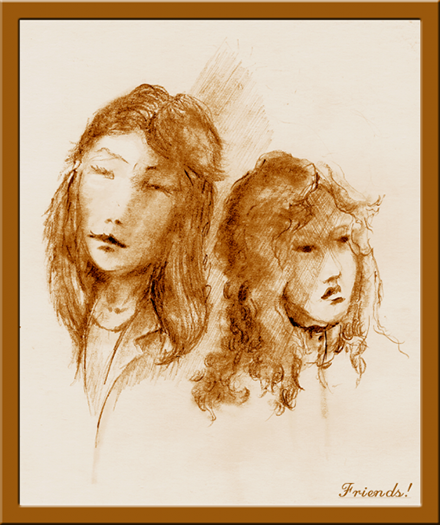
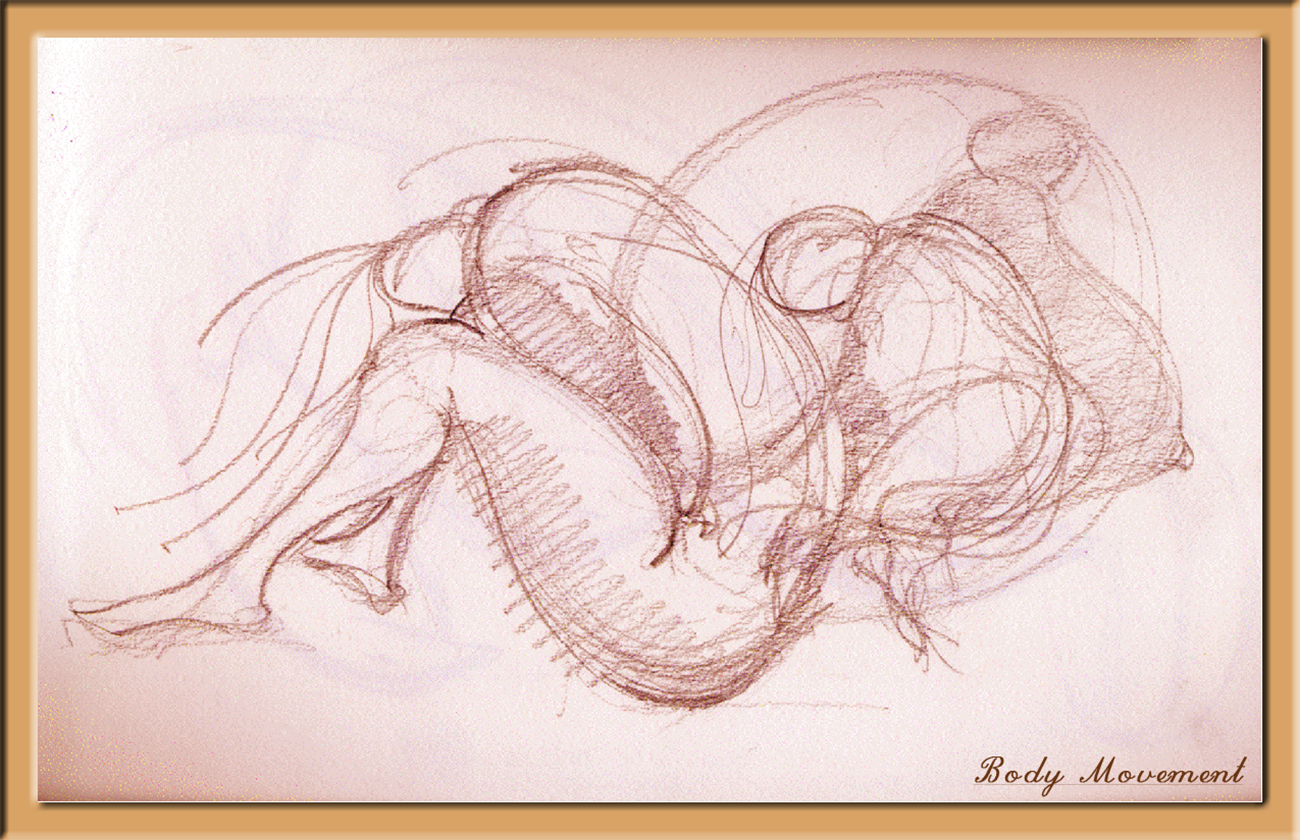
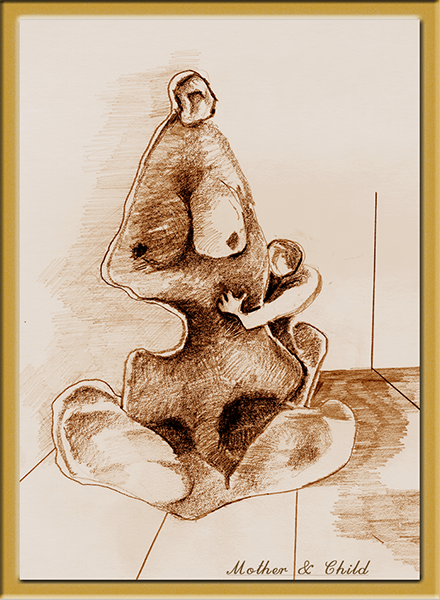
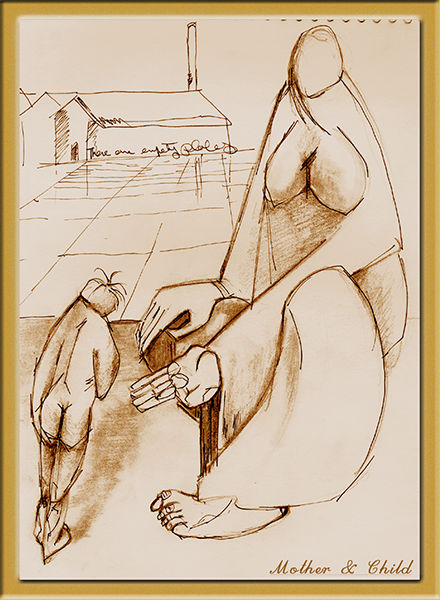
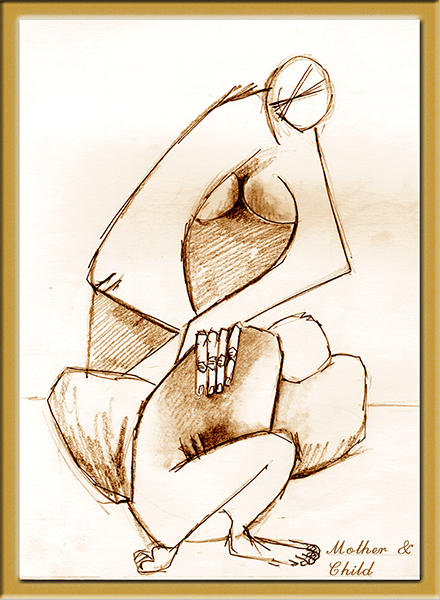
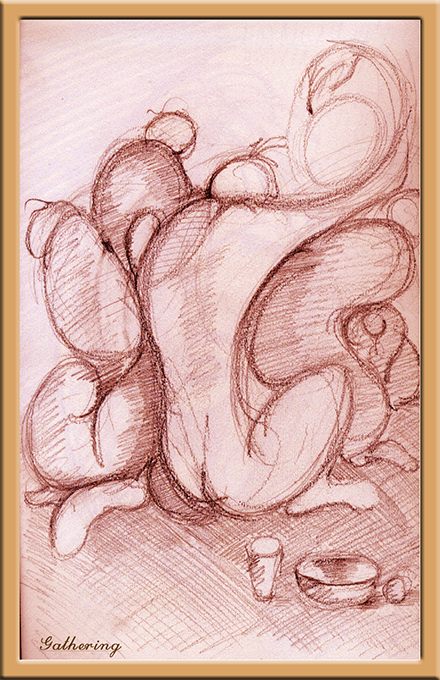
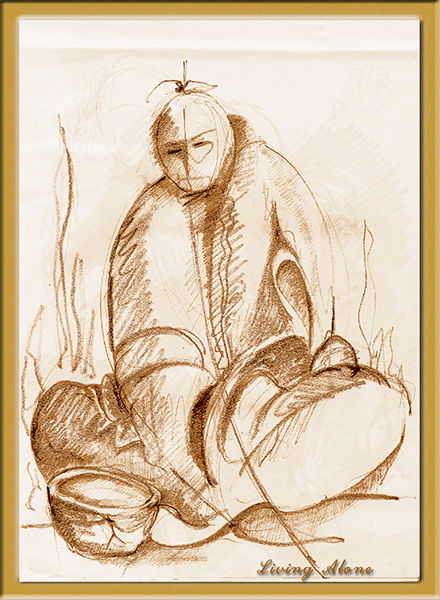
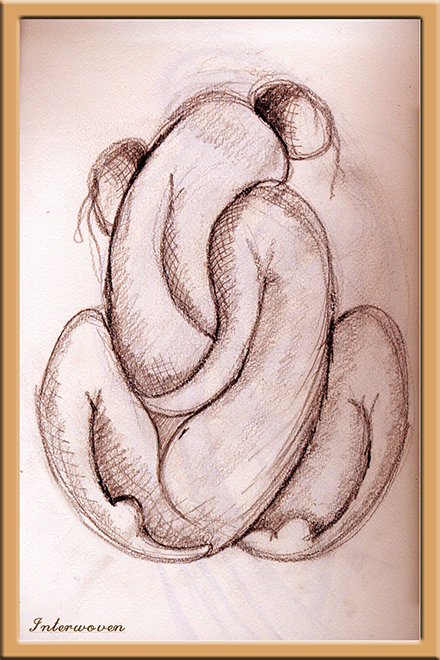
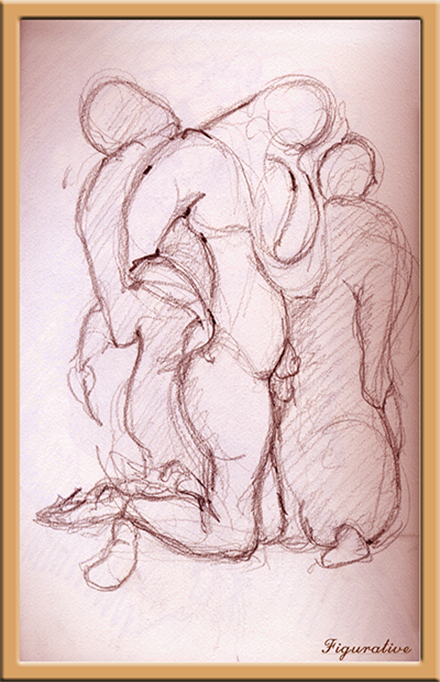
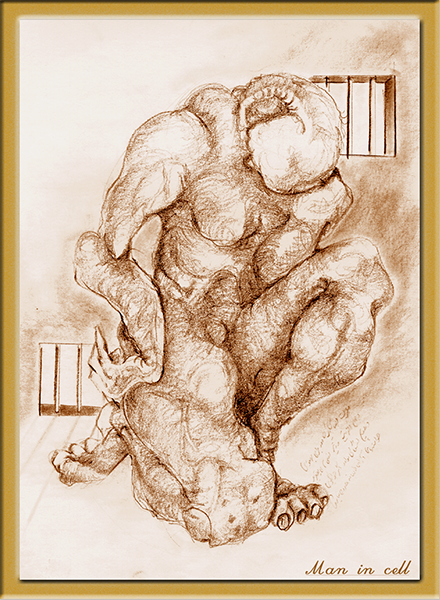
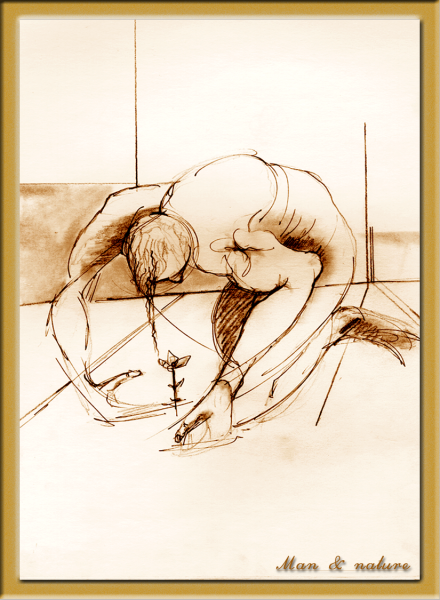
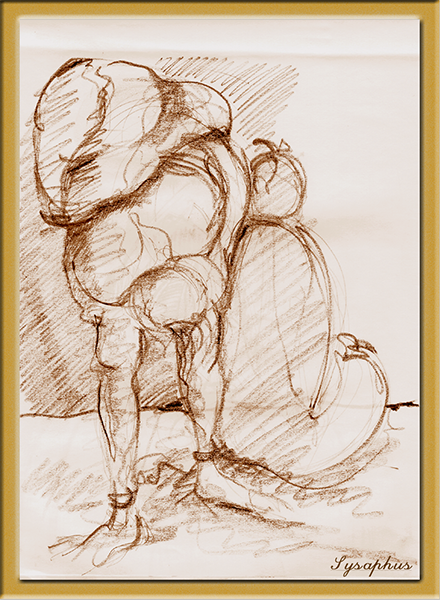
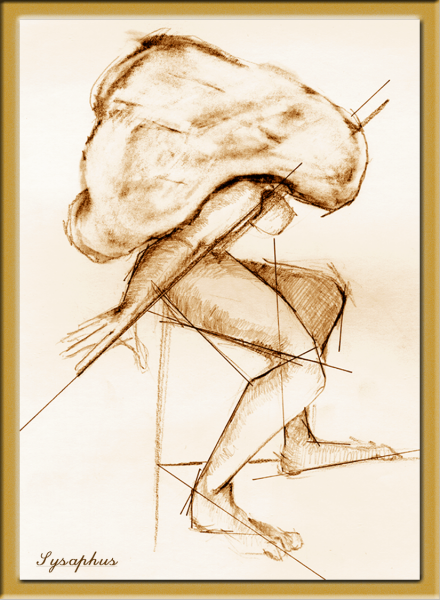
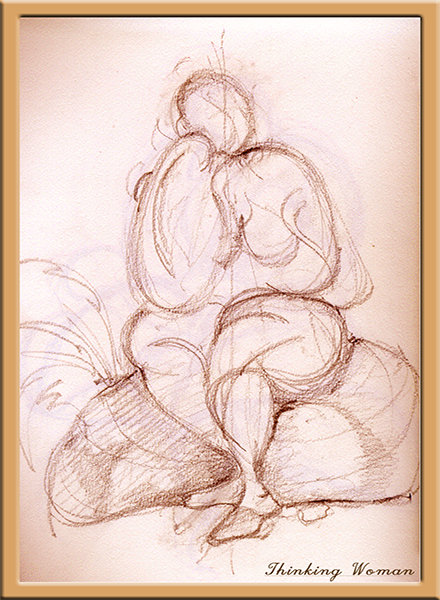
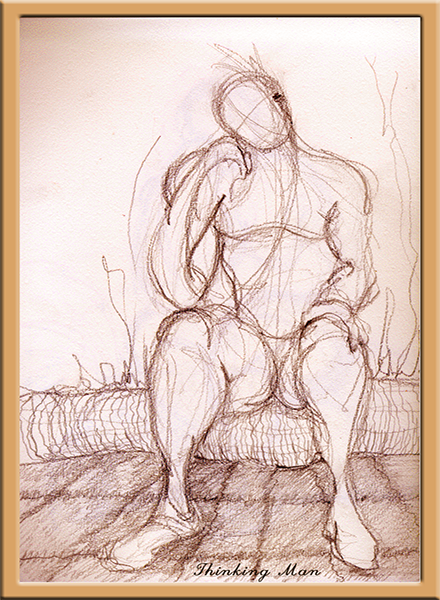
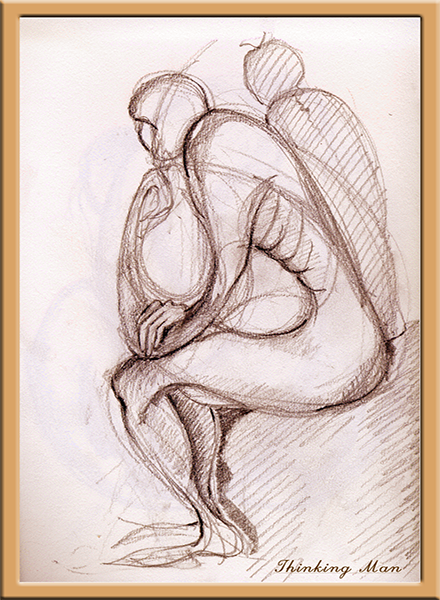
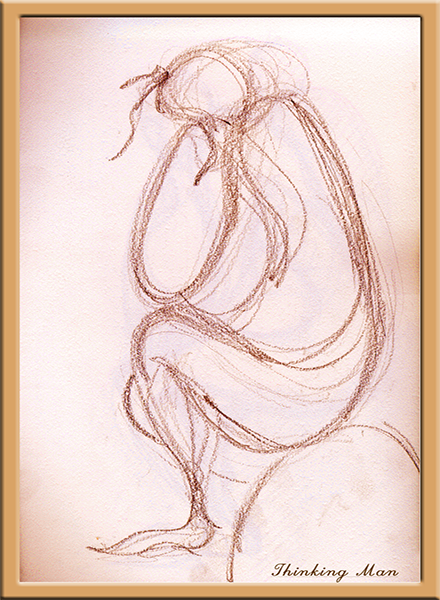
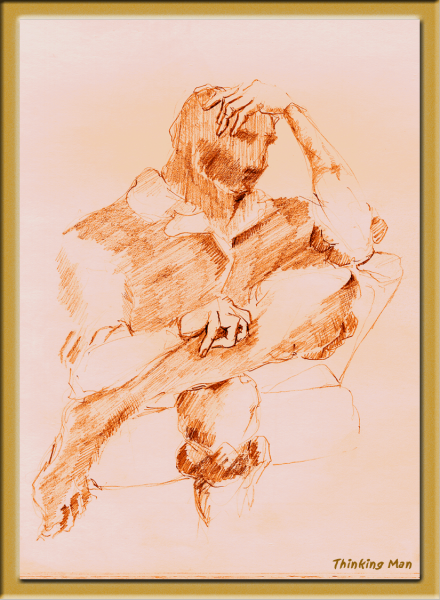
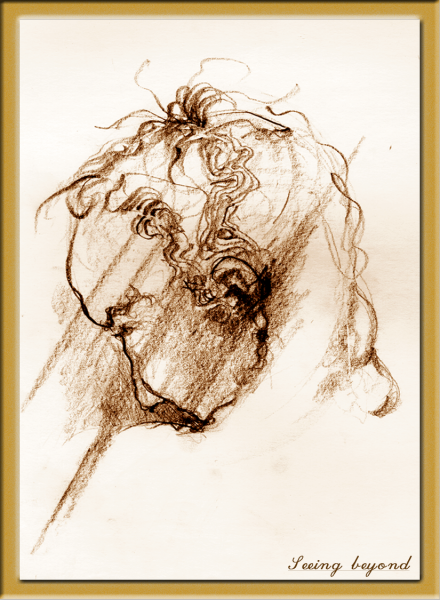
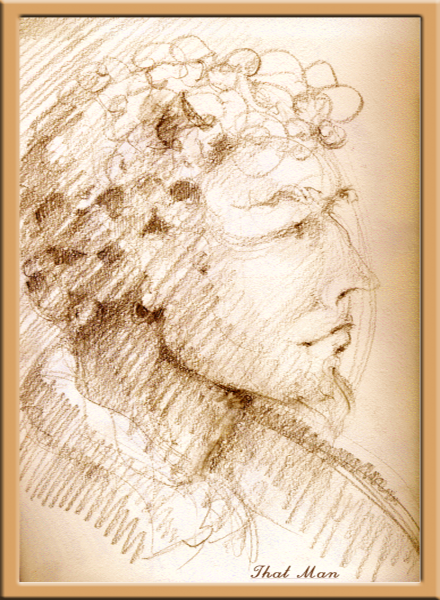
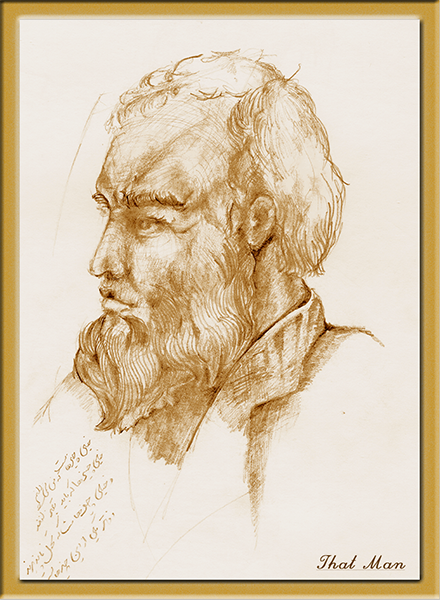
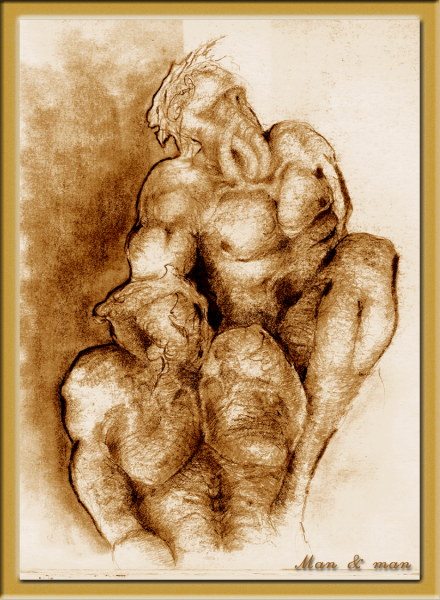
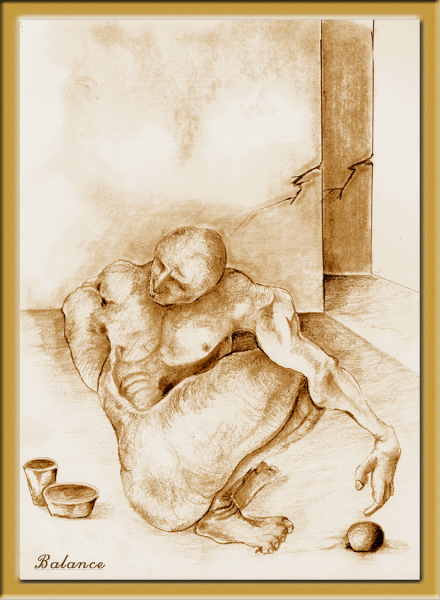
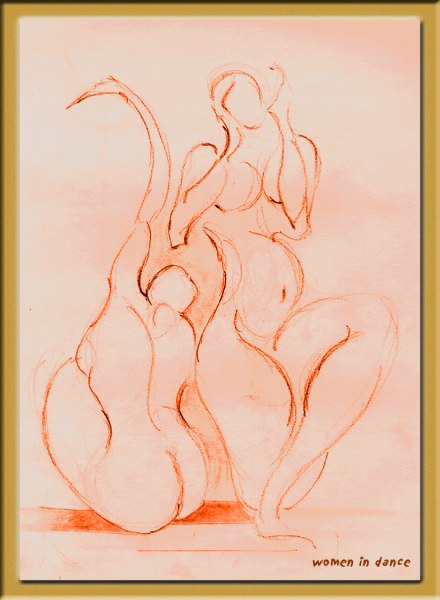
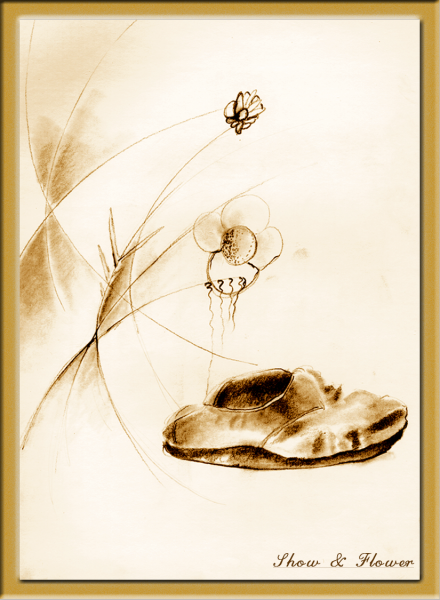
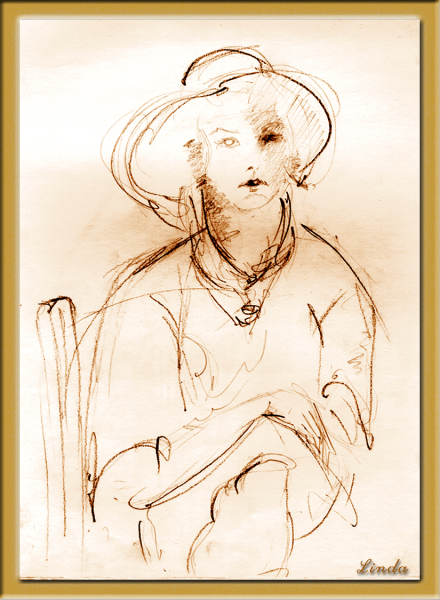
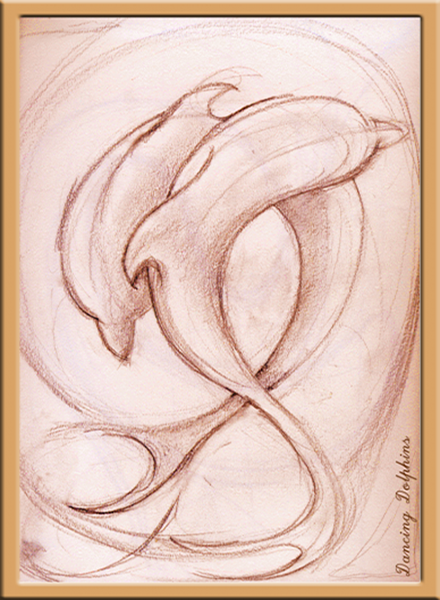
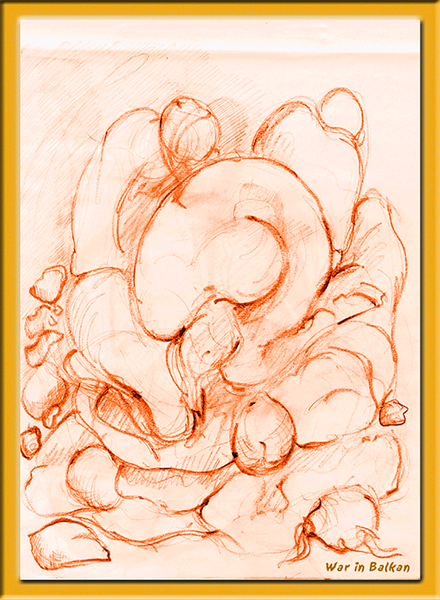
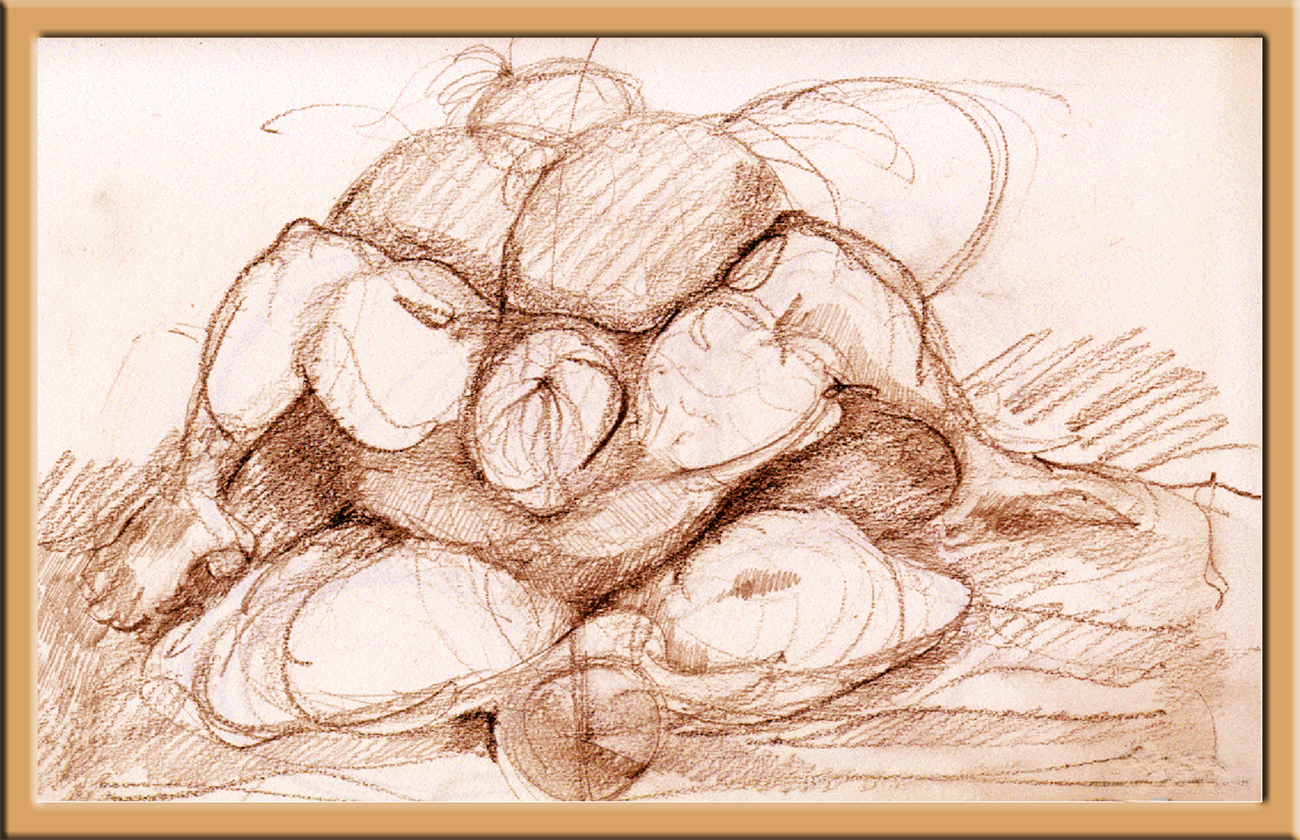
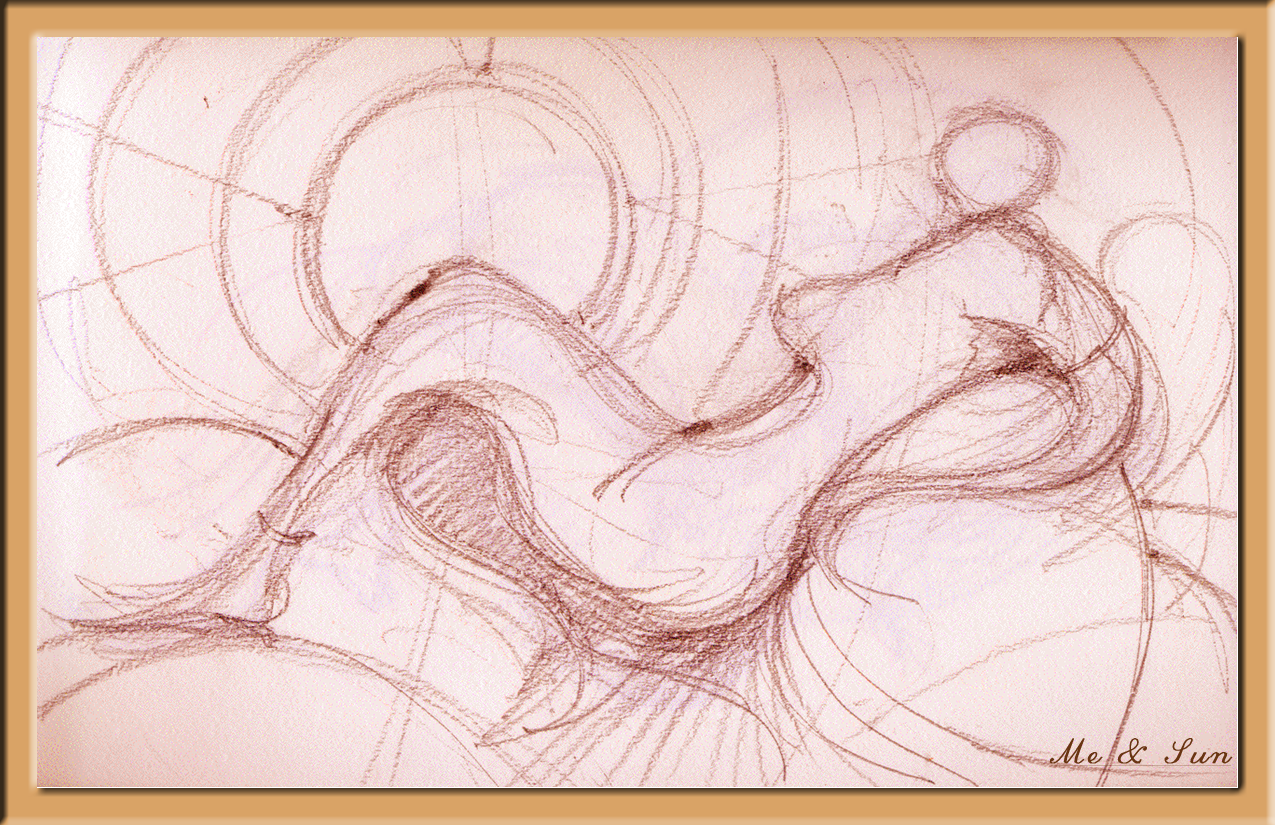
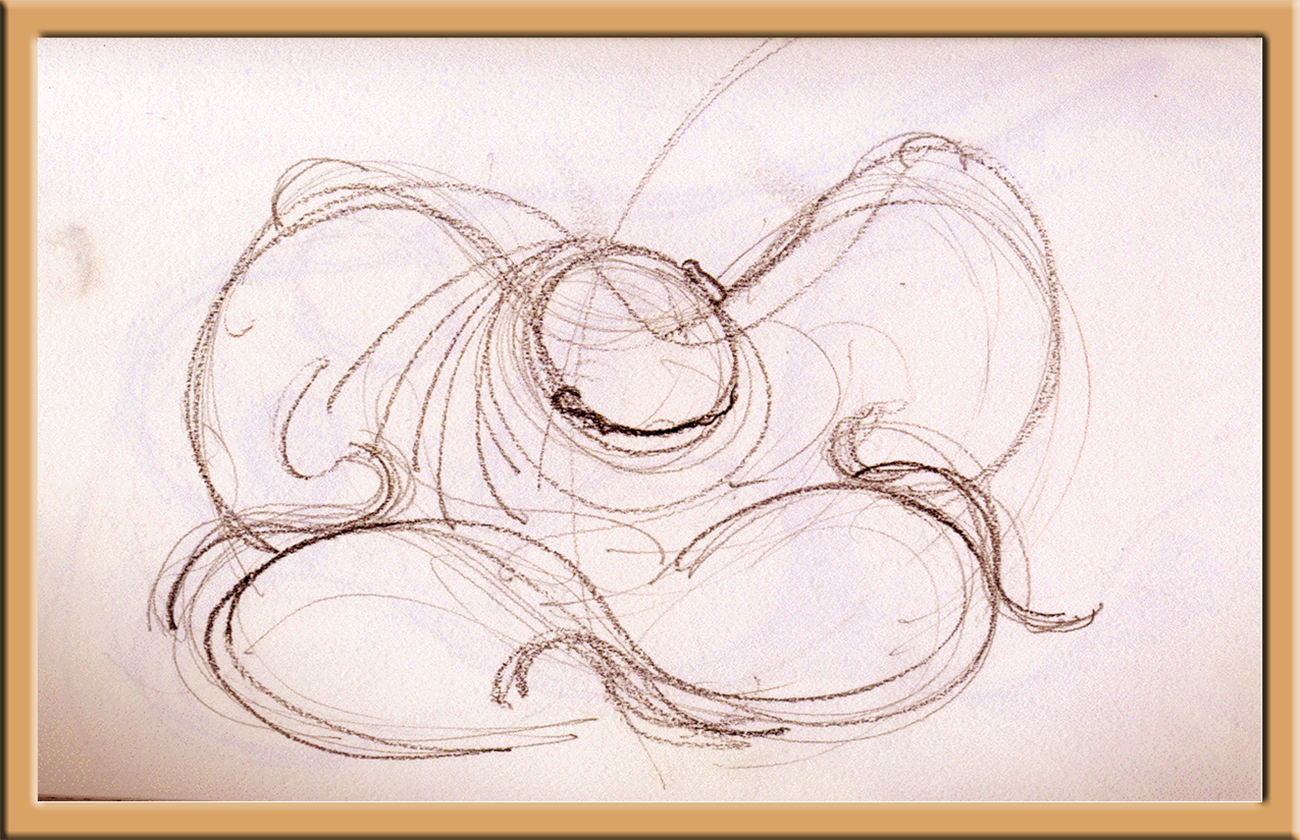
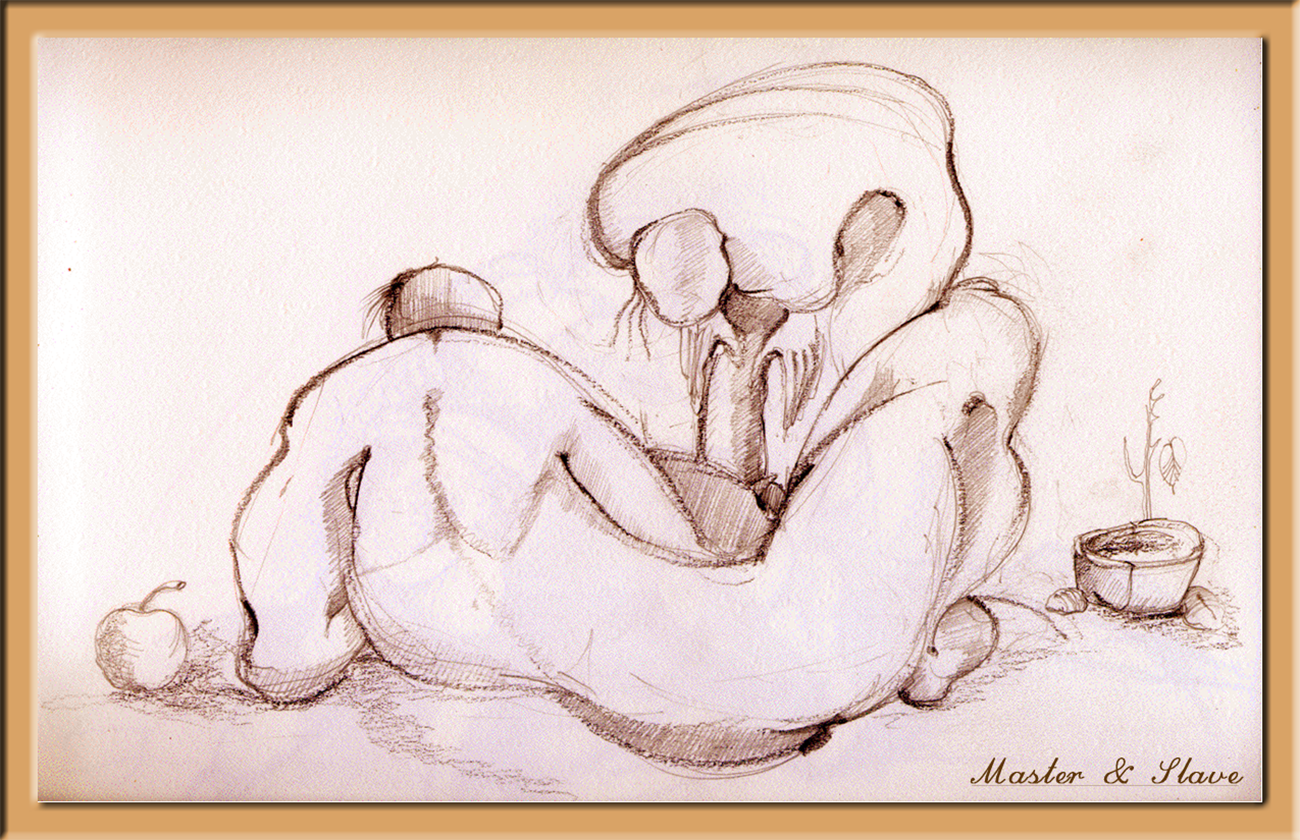
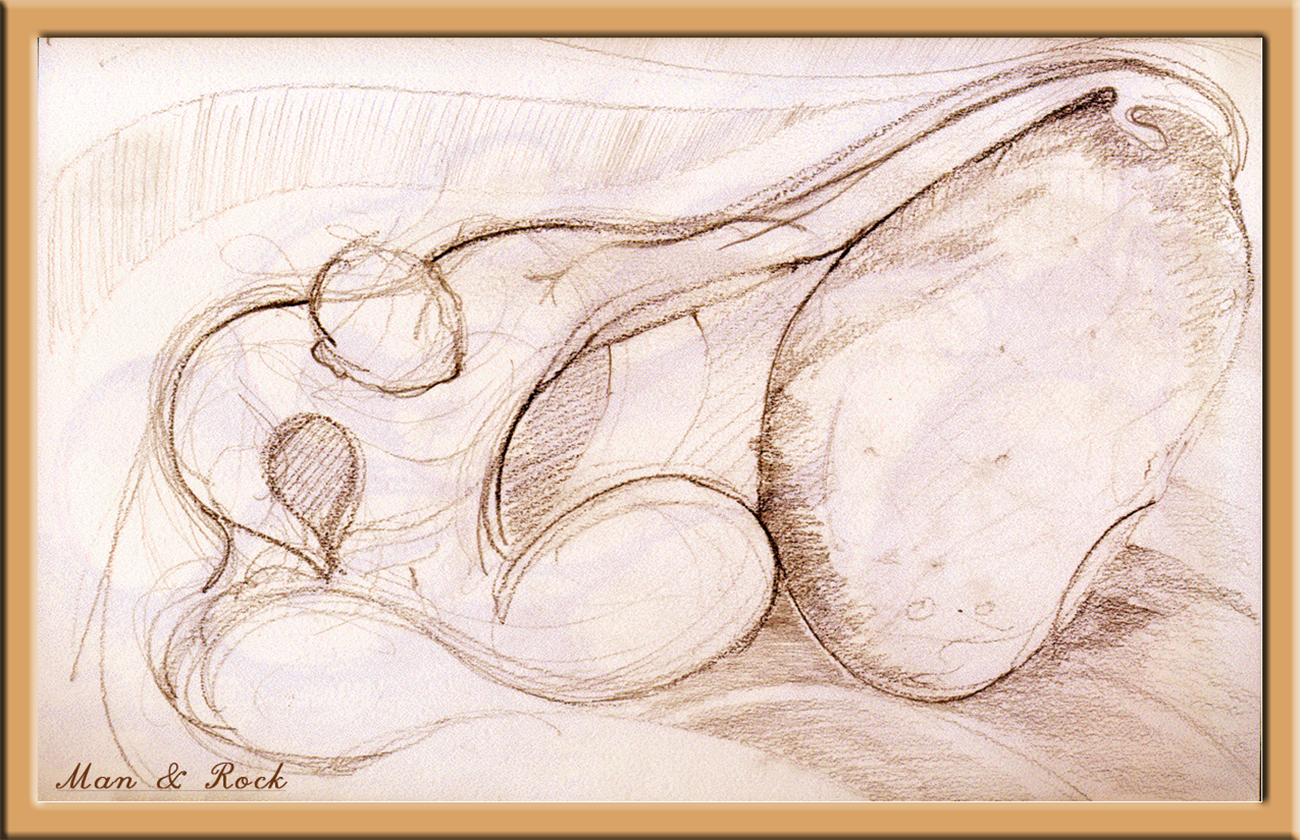
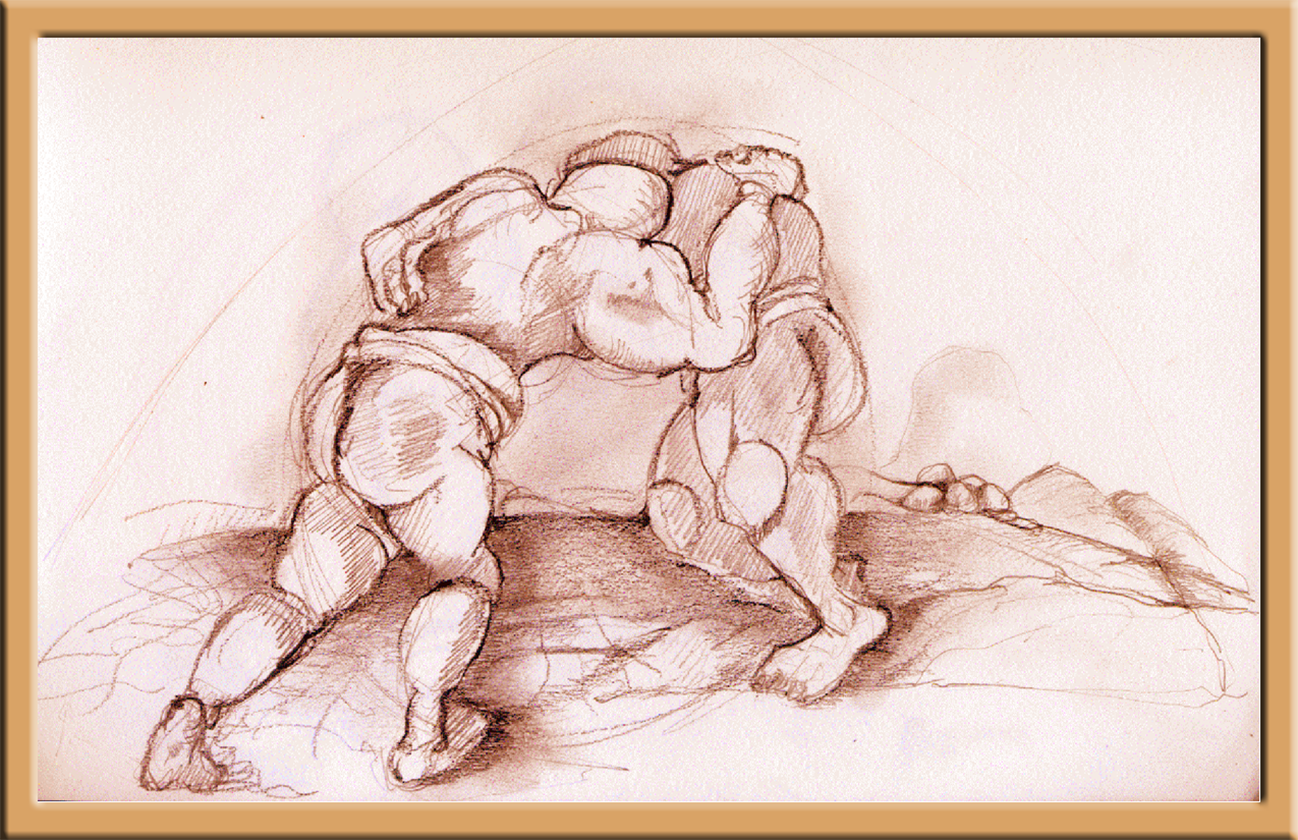
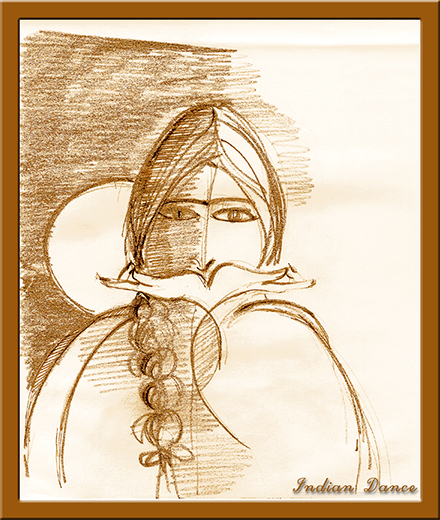
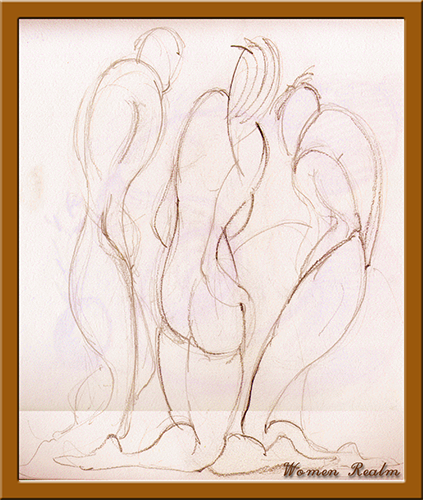
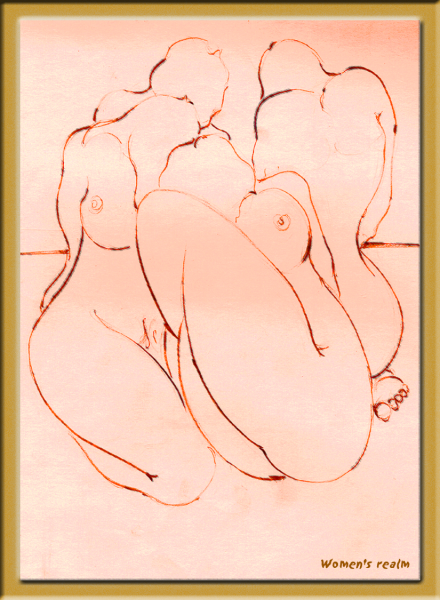
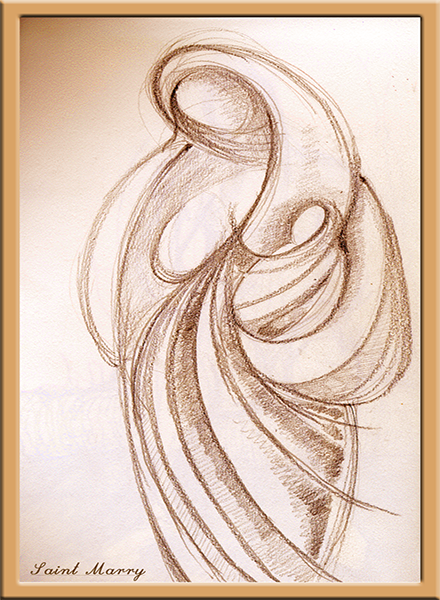
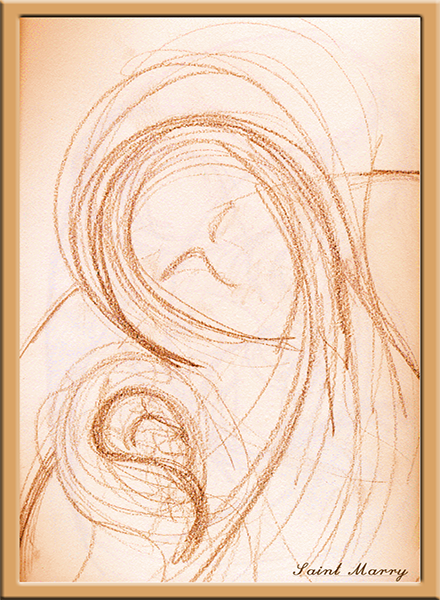
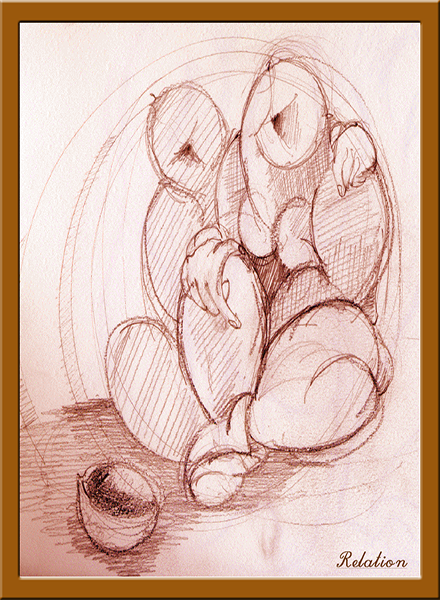
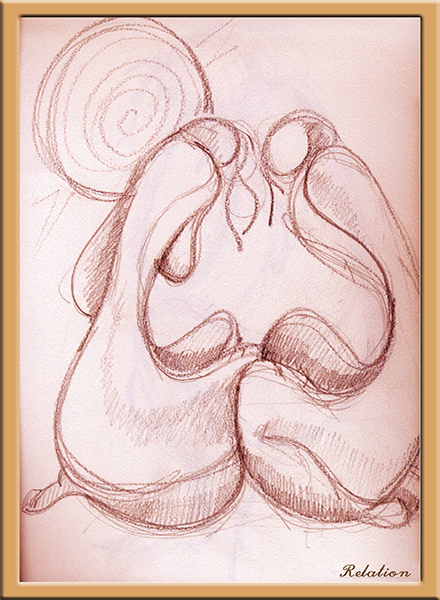
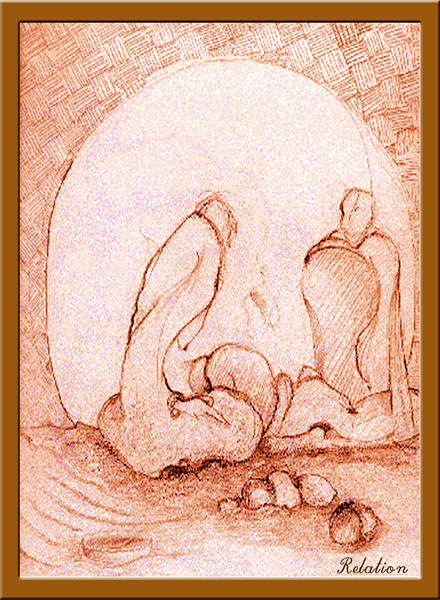
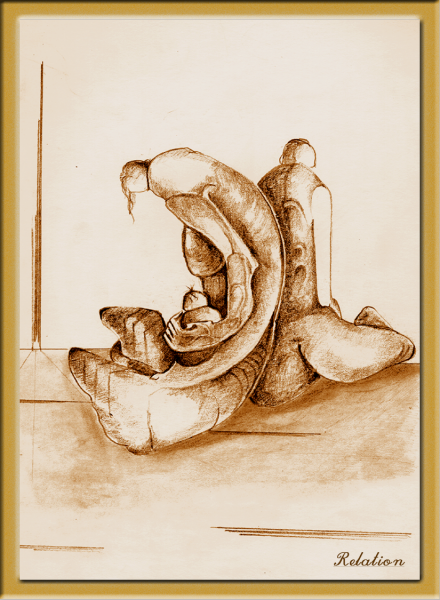
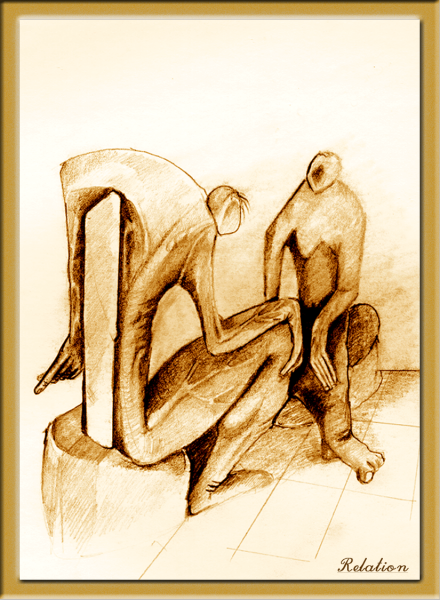
Since the early 1970s, graphite on rough paper has been the artist’s primary drawing medium. Using a mechanical pencil for precision and immediacy, he developed a practice rooted in portability and spontaneity. The simplicity of graphite allows ideas to emerge directly through gesture, fostering improvisation and a fluid dialogue between thought and hand.
-
Graphite on Rough Paper has been my primary medium since the early 1970s. What began simply as a pencil on paper evolved, as soon as circumstances allowed, into the use of a mechanical pencil with graphite leads—an instrument that offered both precision and consistency while preserving the immediacy of drawing.
Throughout my painting practice, I used pencil as the foundation for initial sketches. These preliminary lines were intentionally minimal and were later transferred to canvas, where they would guide the composition without dominating it.
The enduring appeal of graphite on rough paper lies in its simplicity. It is economical, accessible, and inherently portable. Unlike other media that require a dedicated studio environment, graphite allows complete mobility. I could carry my tools anywhere and work freely without dependence on space, equipment, or elaborate preparation.
This freedom shaped both the quantity and character of my work. The medium's ease enabled me to create more drawings than I could with oil or watercolor, which require a structured setup and a deliberate mental framework before beginning. With graphite, there is no barrier between impulse and action. Pencil and paper are immediately available; ideas emerge organically through hand movement.
The spontaneity of this process remains deeply satisfying. Improvisation becomes natural, even inevitable. In graphite on rough paper, thought and gesture meet directly—unmediated, fluid, and alive.