Relation, Care, and Cultural Continuity: Intimacy, Gesture, Art as Survival, and Perception
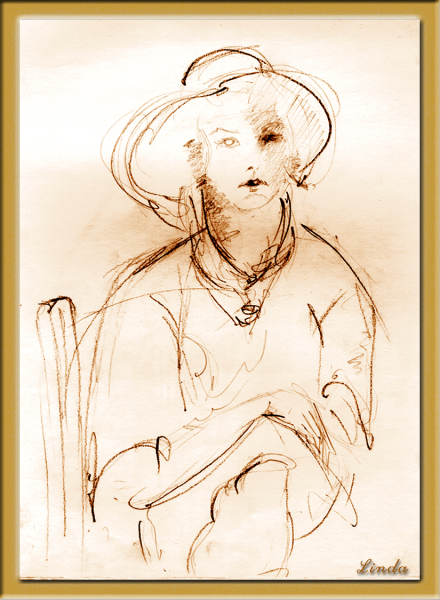
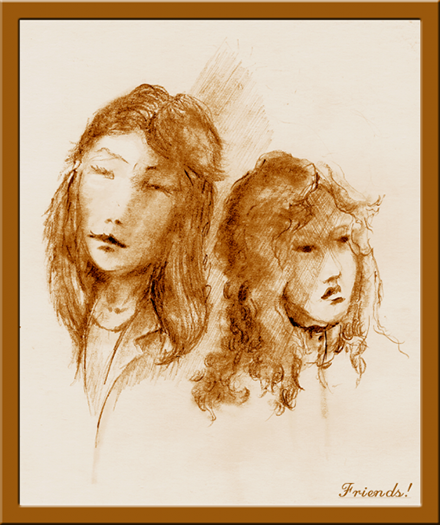
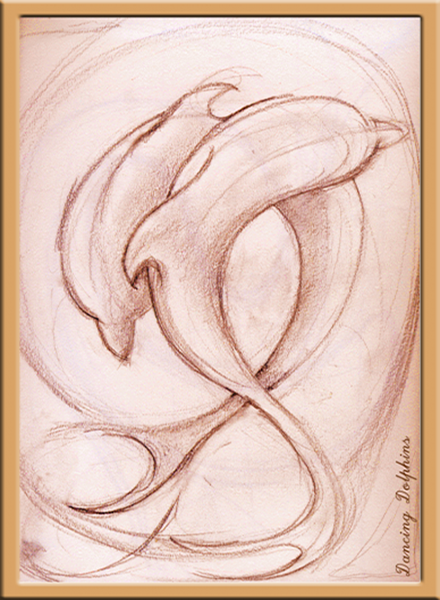
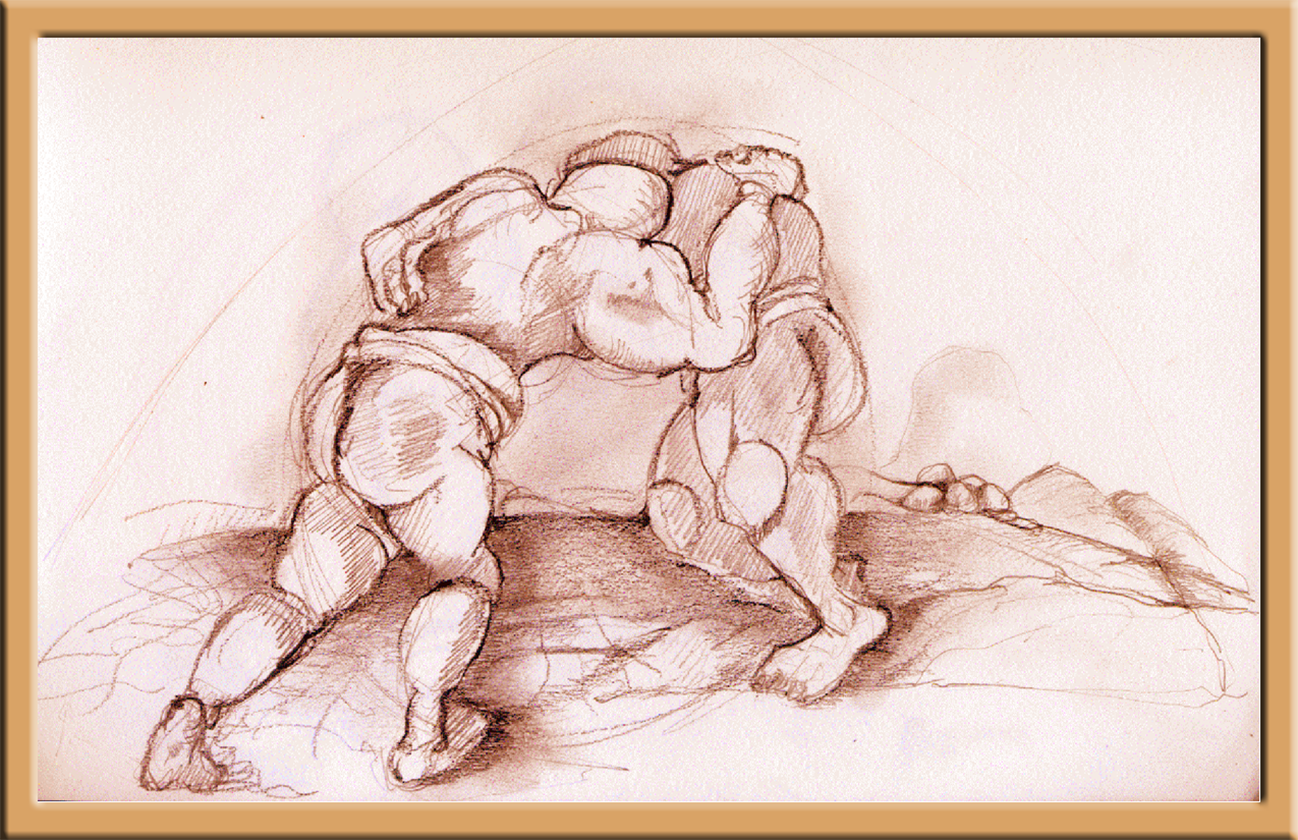
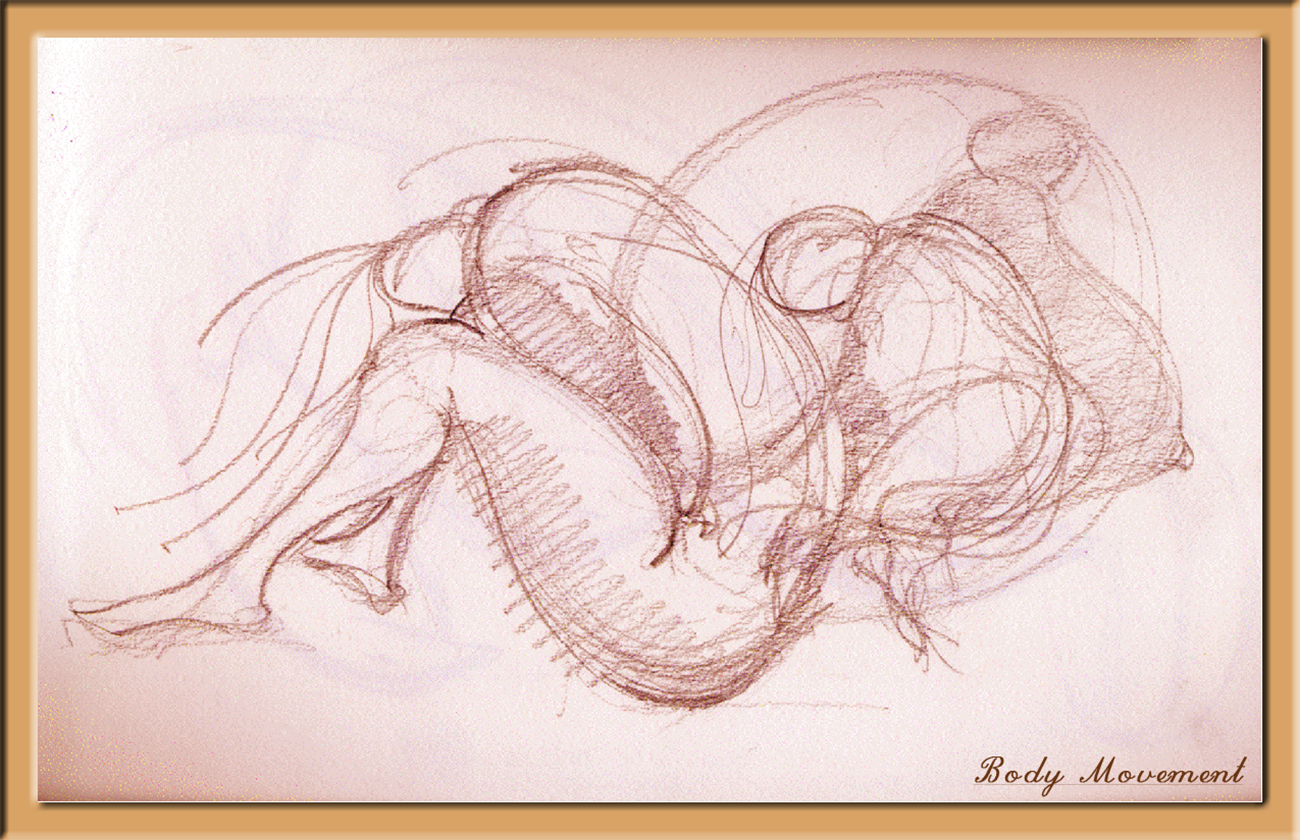
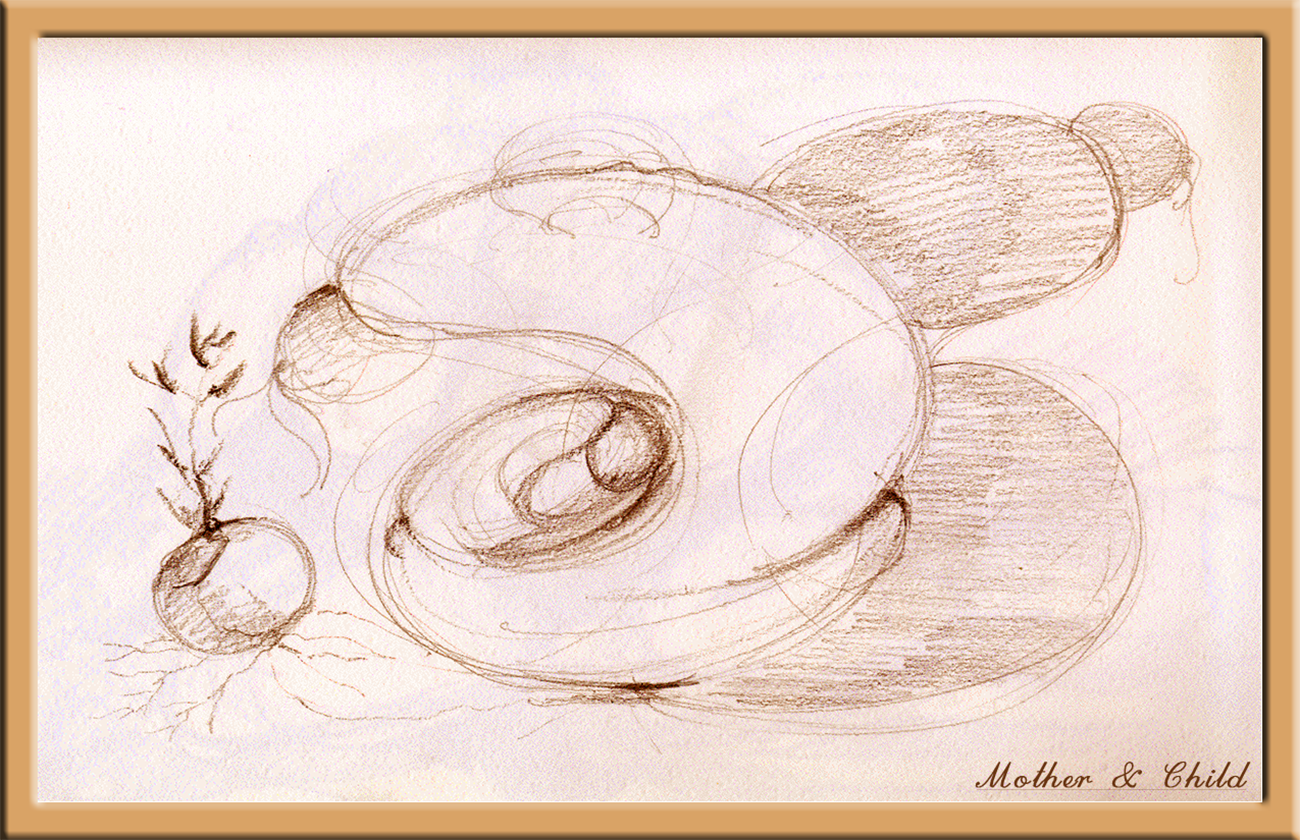
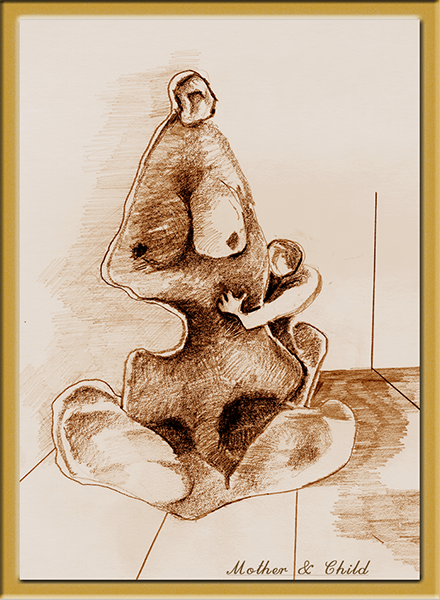
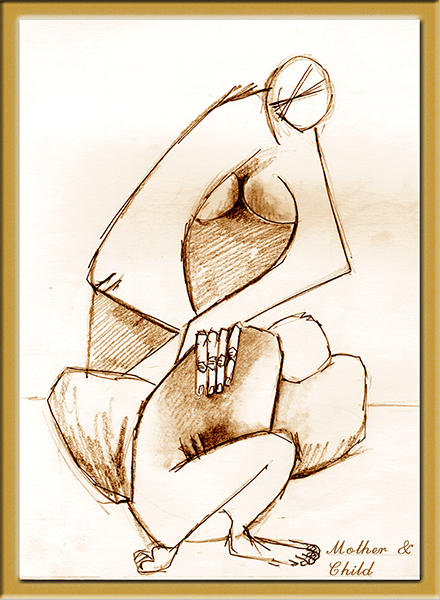
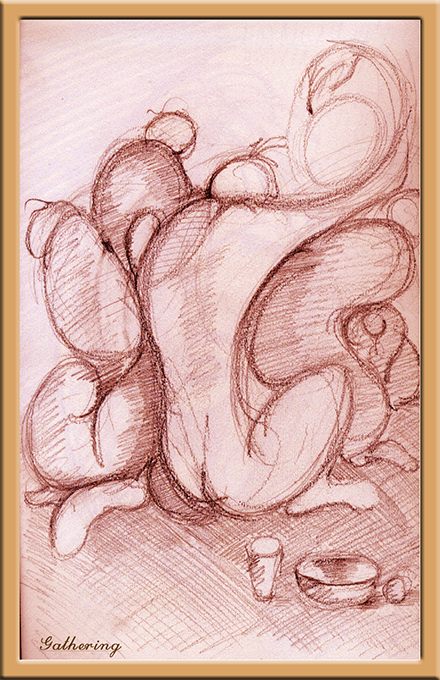
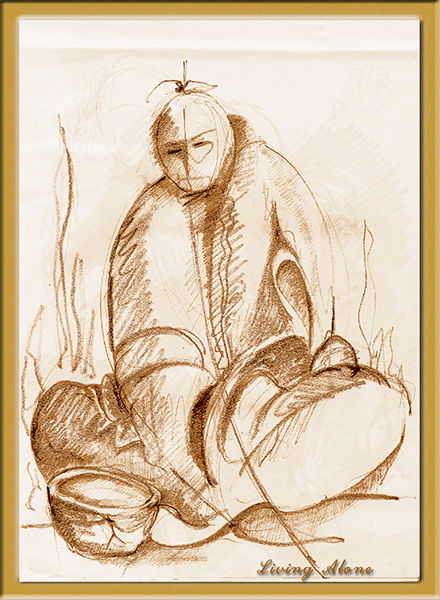
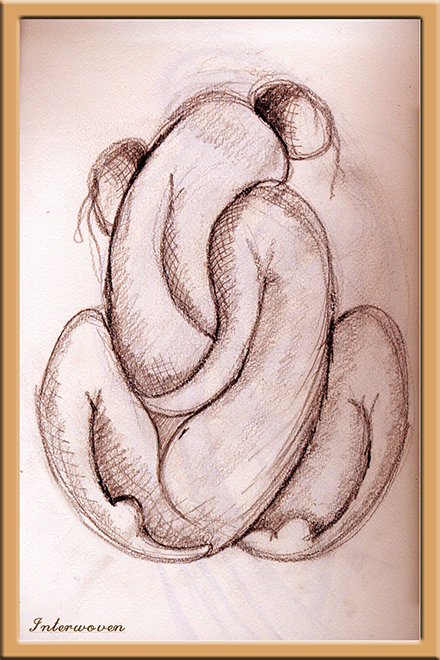
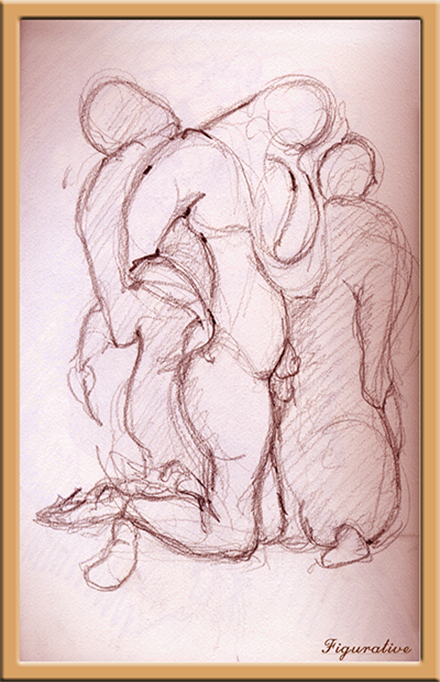
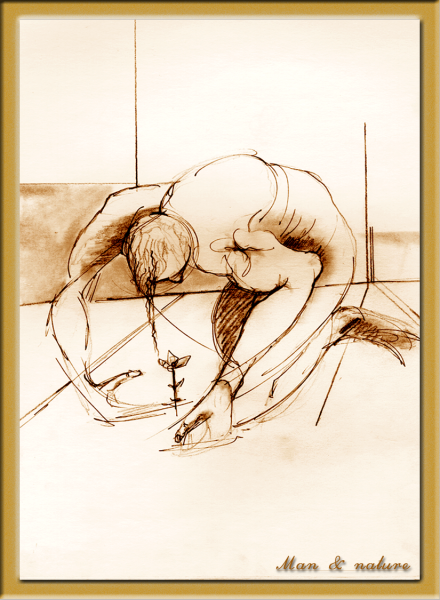
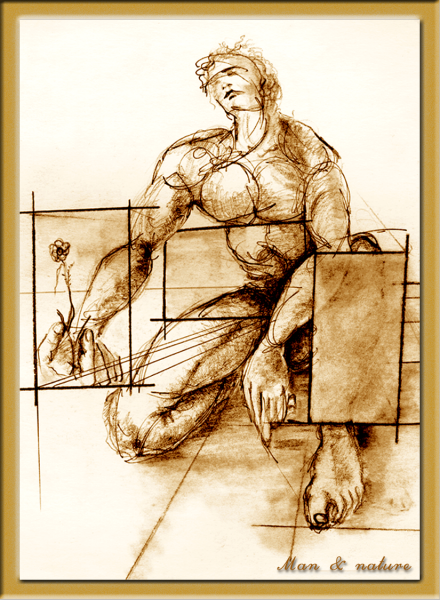
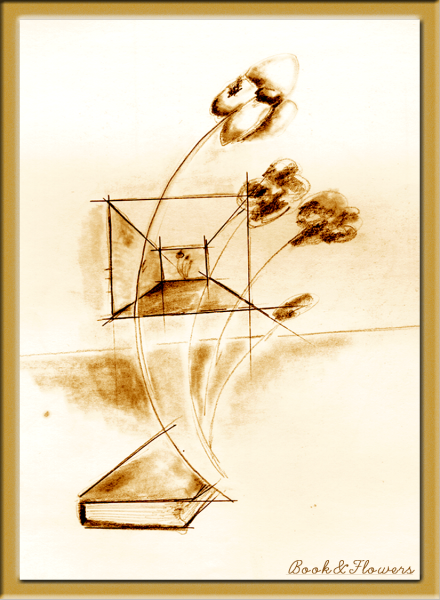
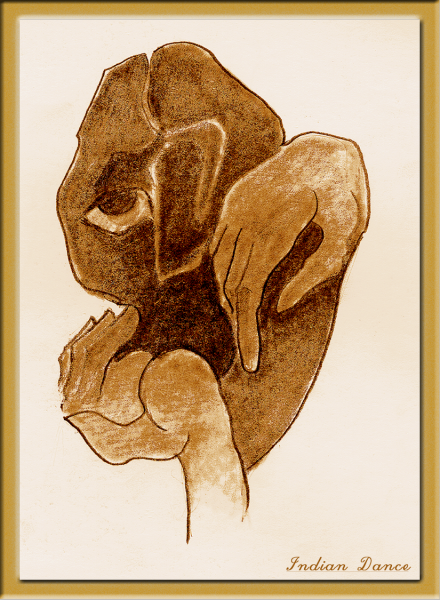
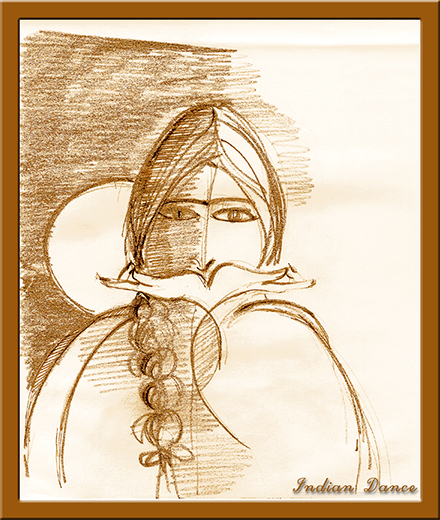
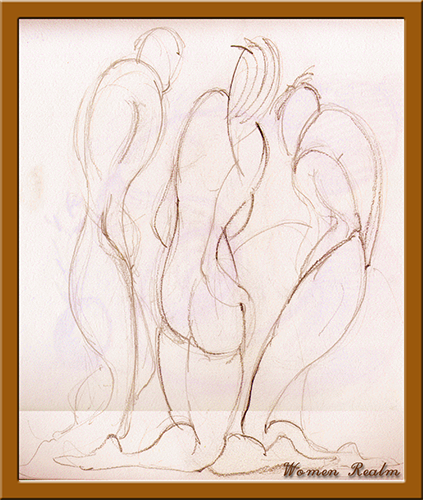
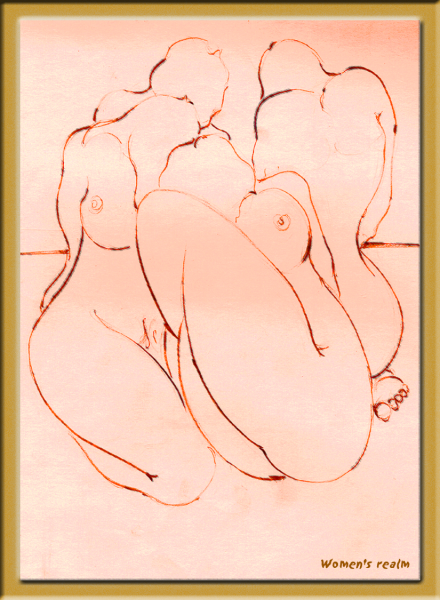
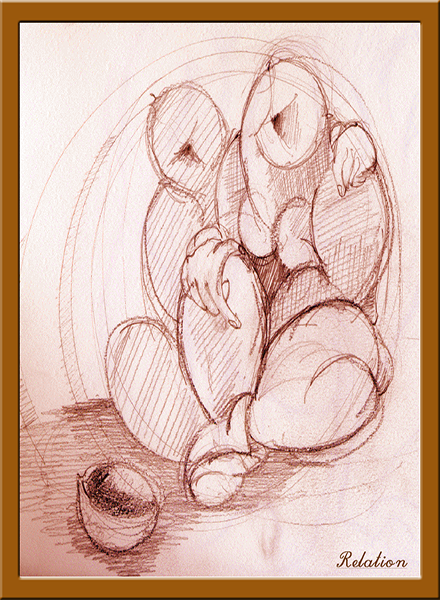
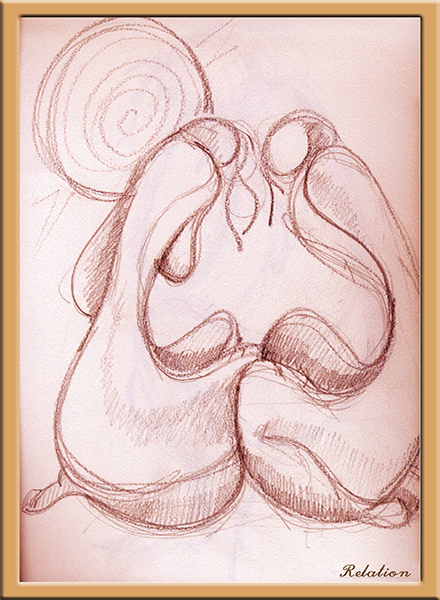
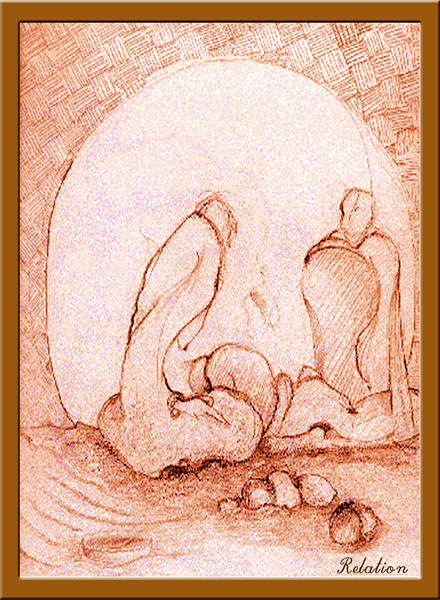
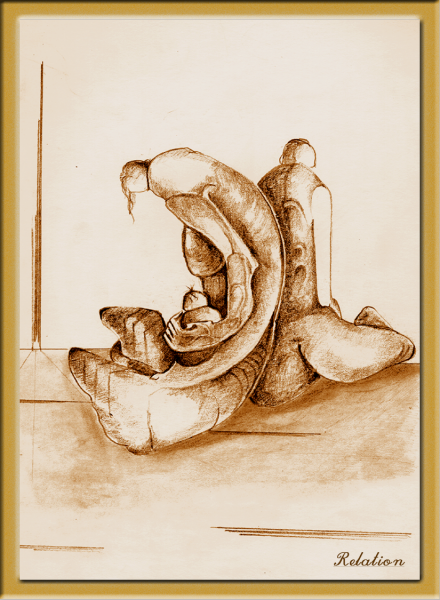
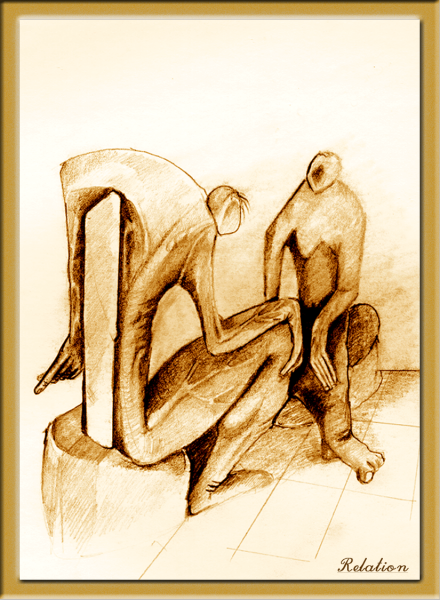
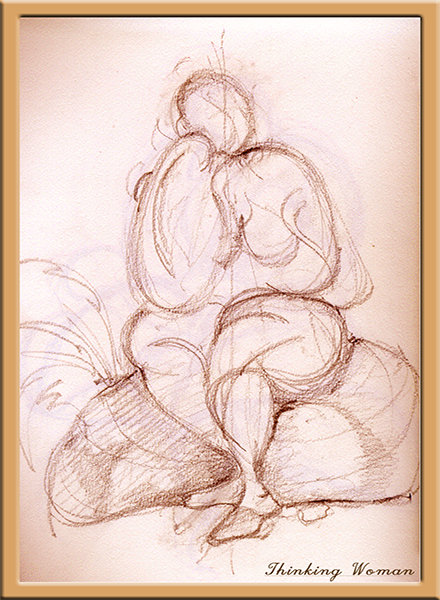
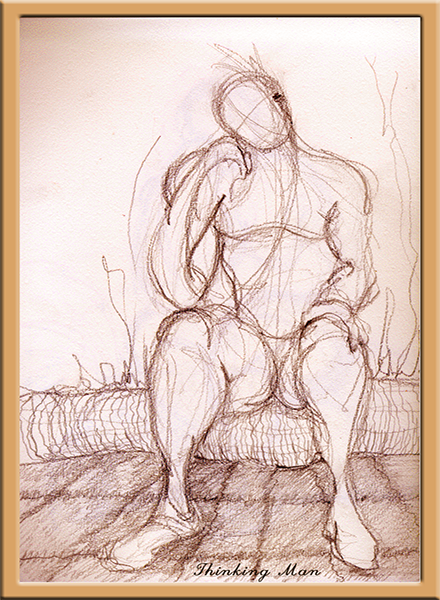
In these works, endurance emerges through relation rather than isolation. Bodies gather, merge, and balance, forming structures of care, memory, and cultural continuity. Through intimacy, gesture, and shared presence—between people, objects, and nature—meaning arises as connection, revealing persistence not as solitary struggle but as a collective and sustaining force.
-
Against the weight of systems and the burdens of history, another force quietly endures: relation. In this gathering of works, meaning is not forged through isolation but through connection—between bodies, between humans and nature, between tradition and reinvention, between perception and memory. If earlier works confront pressure and rupture, these compositions turn toward proximity, toward the architectures of care that allow life to persist.
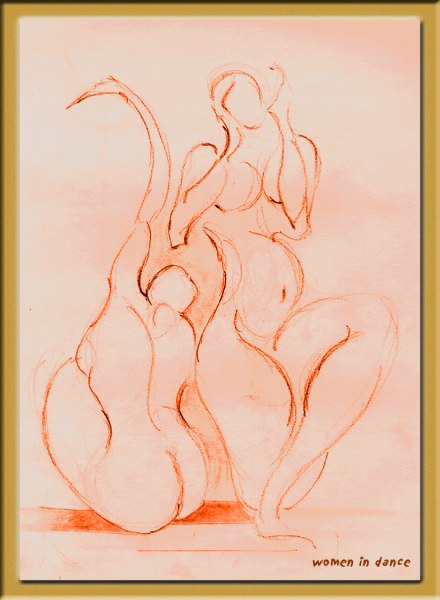
Here, intimacy is not sentimental. It is structural. Figures merge into sculptural masses, forming triangular shelters, circular enclosures, and gravitational orbits. Identity does not dissolve into anonymity; it softens into shared form. In the Relation series, in the variations of Mother & Child, in Women’s Realm, Interwoven, and Gathering, closeness is articulated through geometry. Curvature becomes protection. Proximity becomes belonging. Bodies lean, encircle, overlap—each defined not only by its own contour but by the presence it holds and is held by.
Even struggle becomes reciprocal. In works such as Koshti, wrestling transforms from a contest into a balance. Resistance is mutual; strength emerges through contact. Each figure exists because the other presses back. Conflict becomes choreography.
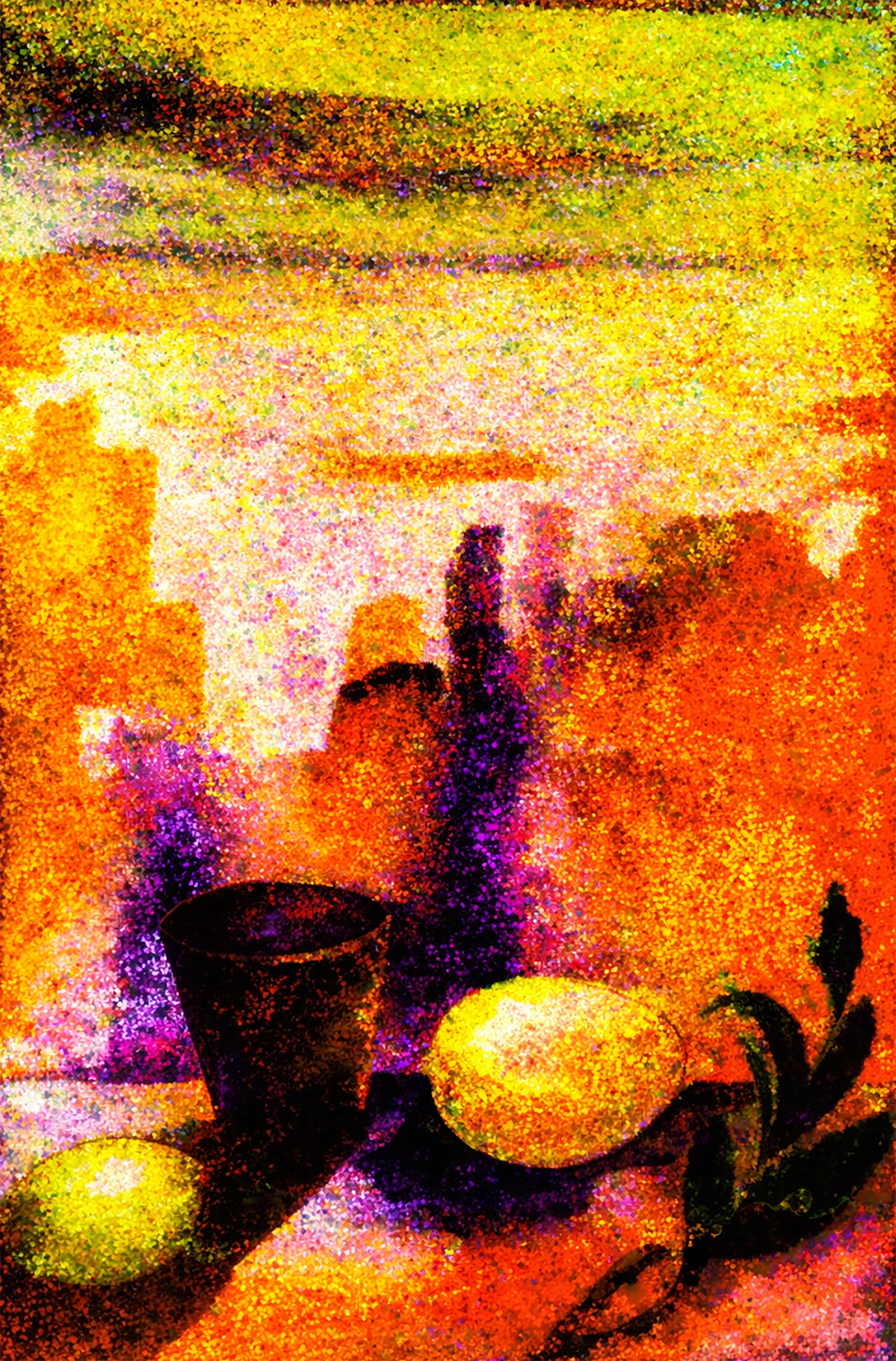
Cultural continuity unfolds here as gesture—rhythm carried across time. In Calligraphy One and Calligraphy Two, script loosens from strict legibility and becomes atmosphere, movement, breath. Meaning survives not solely in words but in motion. The written line becomes a pulse, preserving memory through repetition and flow. In musical creativity, persistence persists within constraint; sound becomes endurance under marginalization. InStill Life (after Tabiat-e Bijan), cinematic duration is translated into painted stillness, time suspended. Seeing becomes an act of care.
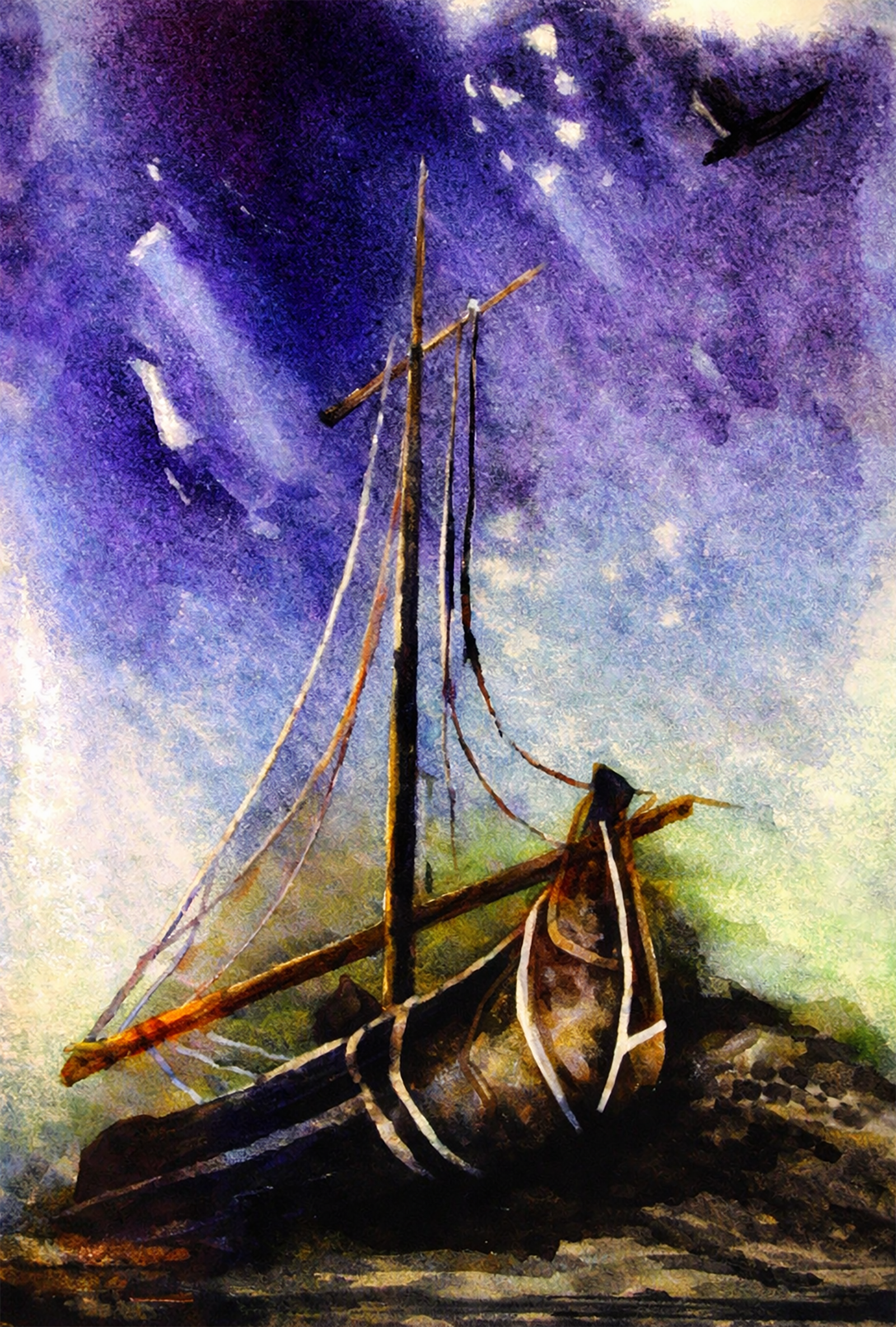
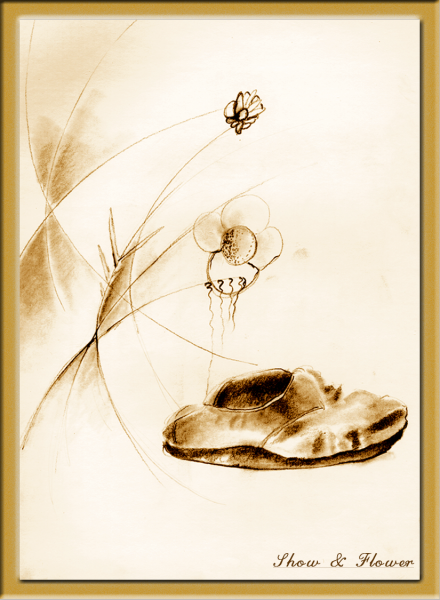
Even the quiet presence of objects—The Boat, Book & Flowers, Shoe & Flower, and other still-life meditations—carries this language of renewal. A boat suggests passage across uncertainty. A book holds memory against erasure. Flowers, ephemeral yet recurring, become emblems of fragile persistence. These are not decorative motifs but metaphors for survival: presence sustained within vulnerability.
The relation extends beyond the human. The dancer turns toward the sun; the figure rests within the landscape; perception itself becomes communion. Nature is not a backdrop but a counterpart. To see is to participate. To remember is to remain connected.
In these works, endurance is relational rather than solitary. Meaning arises not from defiance alone, but from shared presence—between mother and child, between gesture and rhythm, between self and world. Care becomes architecture. Continuity becomes quite resistant. And within that closeness, something enduring takes root.