Watercolor Studies
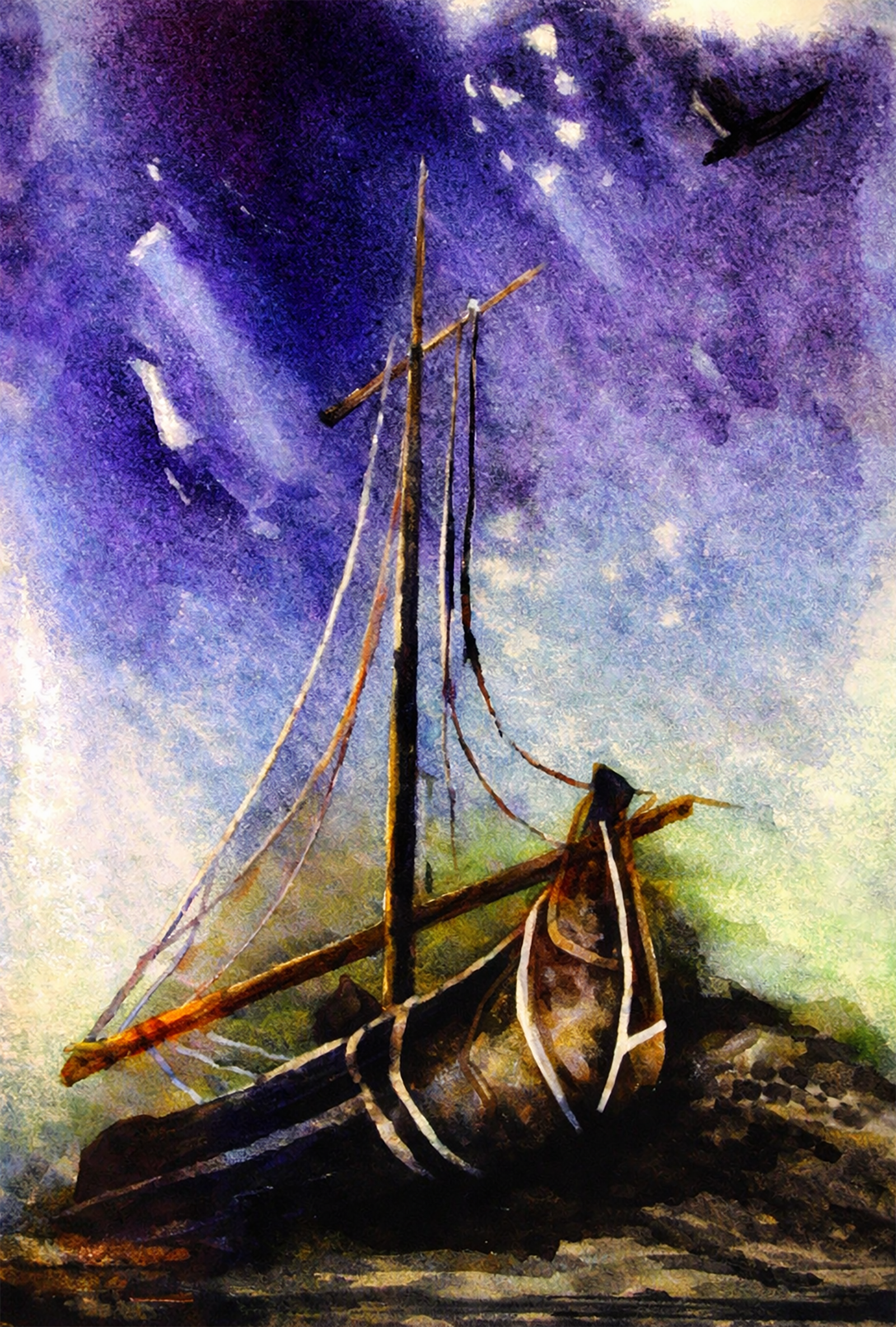
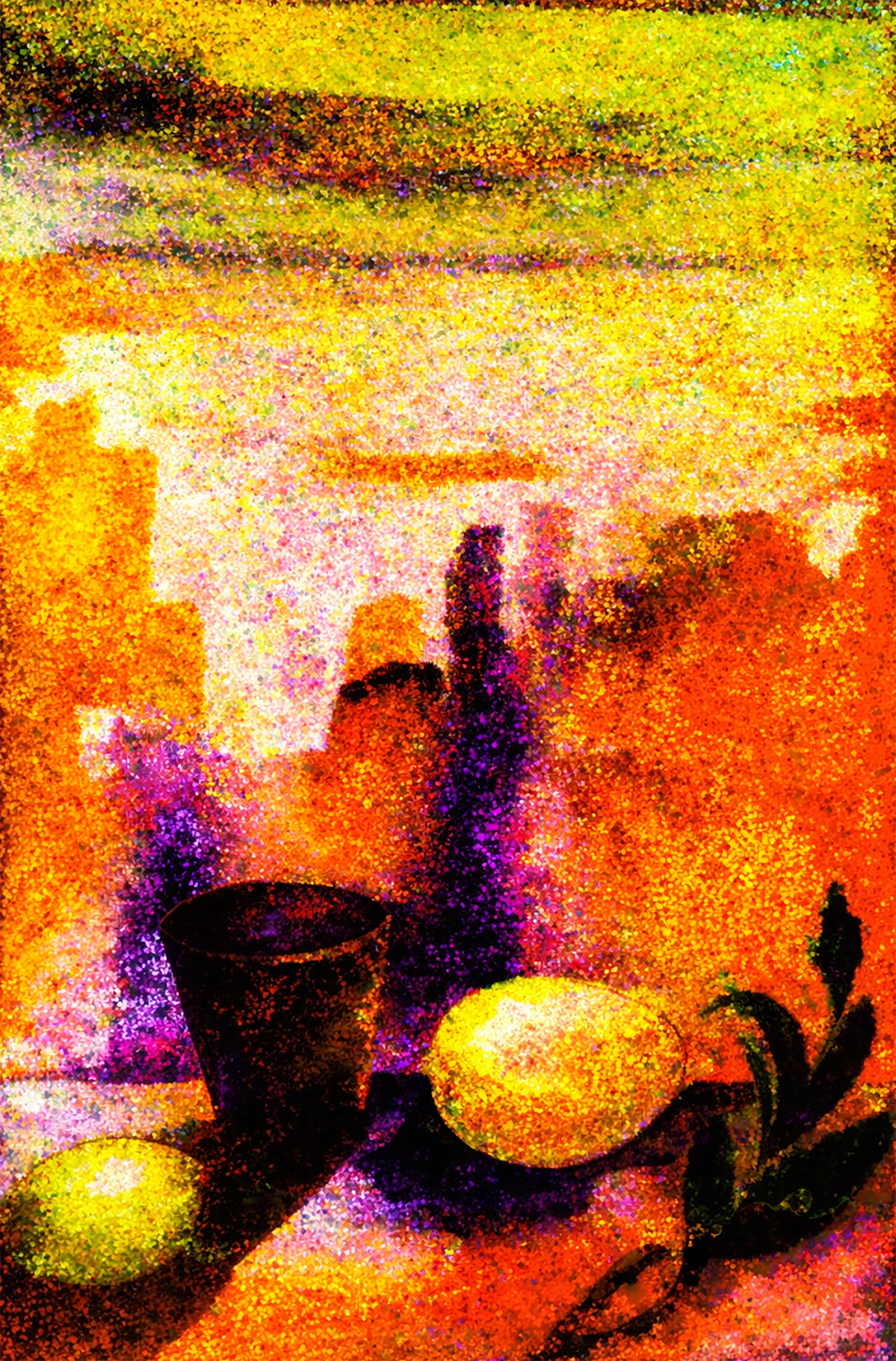
In the mid-1970s, the artist briefly explored watercolor as a medium of study and experimentation. Its fluidity and resistance to revision revealed a discipline based on timing, restraint, and transparency. Though short-lived, these works document an important inquiry into material behavior and the balance between control and surrender in painting.
-
My engagement with watercolor in the mid-1970s was brief and exploratory. At the time, I found myself in quiet tension with the medium. Unlike oil or graphite—where material could be pushed, revised, and structurally negotiated—watercolor demanded surrender. Its fluid movement across paper resisted correction, requiring a level of anticipation and hand–mind coordination I had not yet cultivated.
The few surviving works from that period, including A Boat, were created primarily as compositional studies. In A Boat, I sought to convey atmosphere and emotion through the interplay of placement and color. Yet the experience left me aware of watercolor’s distinct discipline: its transparency, its immediacy, its refusal to be overworked. The medium revealed its own logic—one that depends on timing, restraint, and a deep understanding of its behavior on paper.
While these early attempts did not fully satisfy my artistic intentions, they remain an important record of inquiry. They reflect a moment of experimentation, a dialogue with a material that demands precision as much as intuition. Watercolor, I came to understand, is a medium that often rewards formal training and patience—where mastery lies not in control alone, but in learning when to allow the water and pigment to lead.