History as Psychic Aftermath: Revolution, War, and Collective Memory
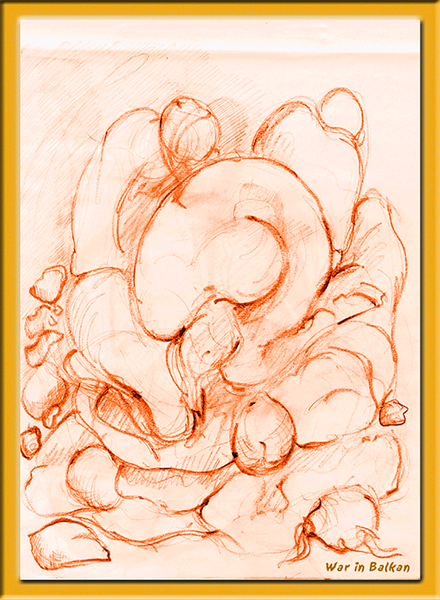
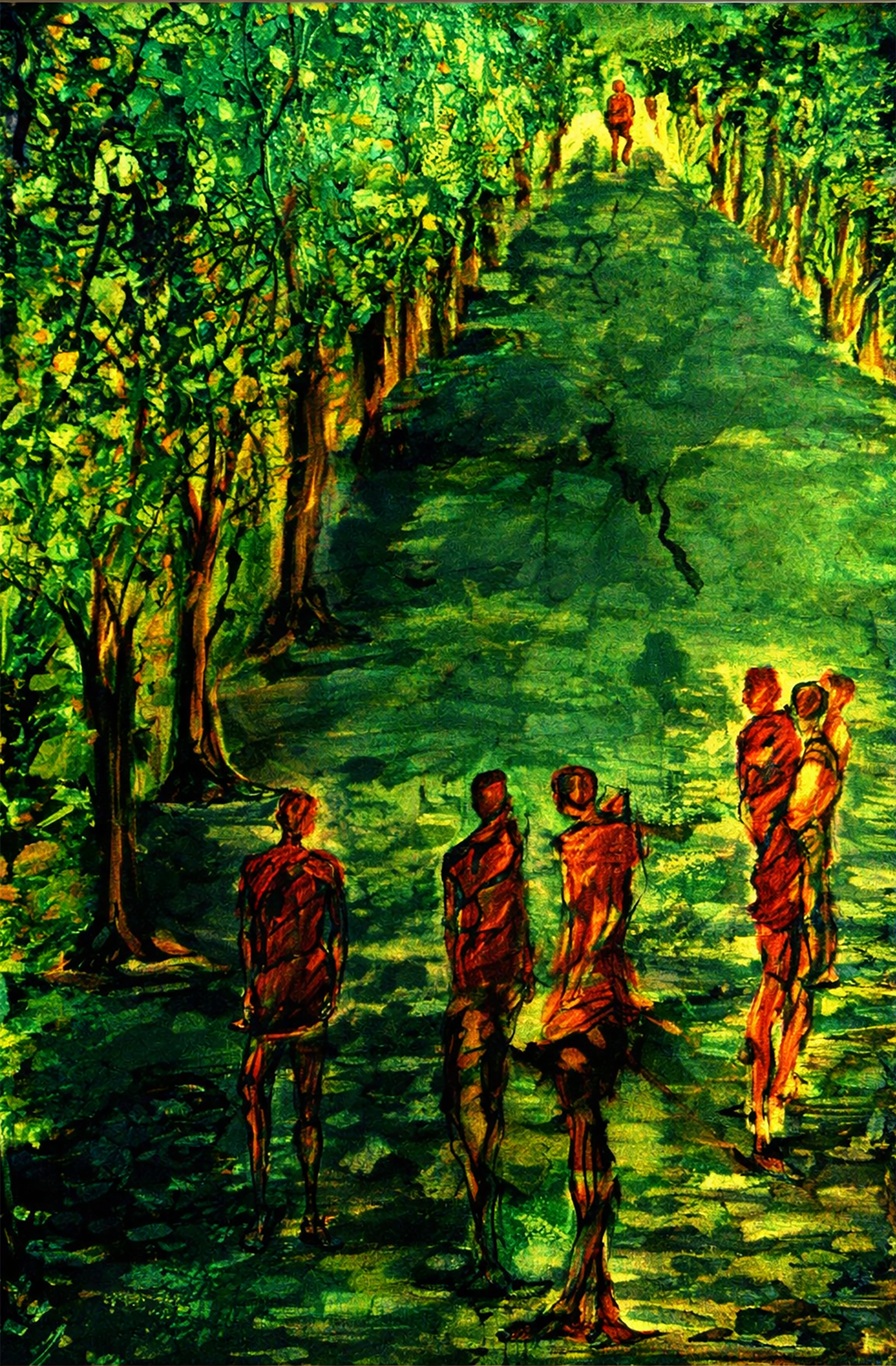
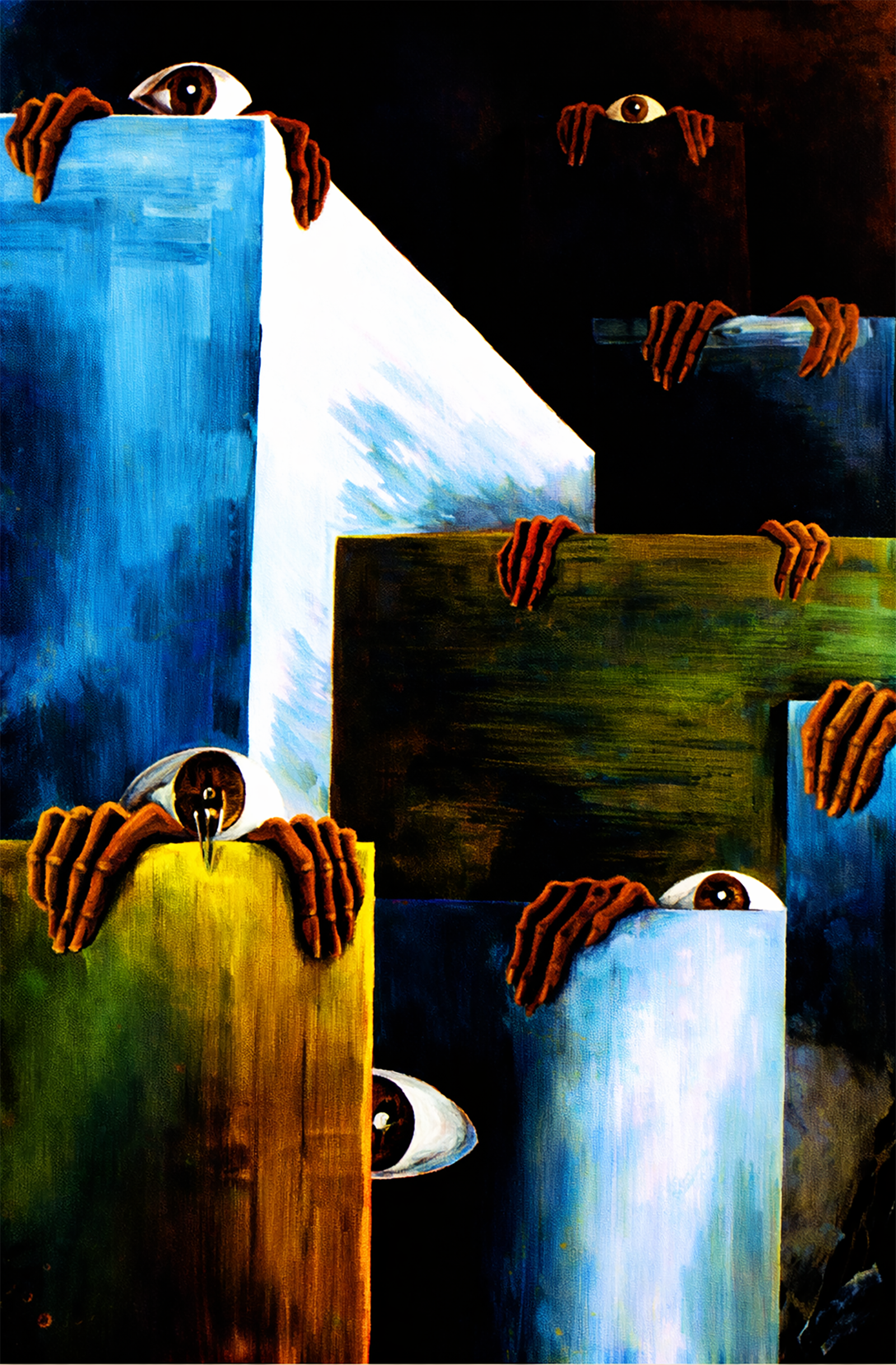
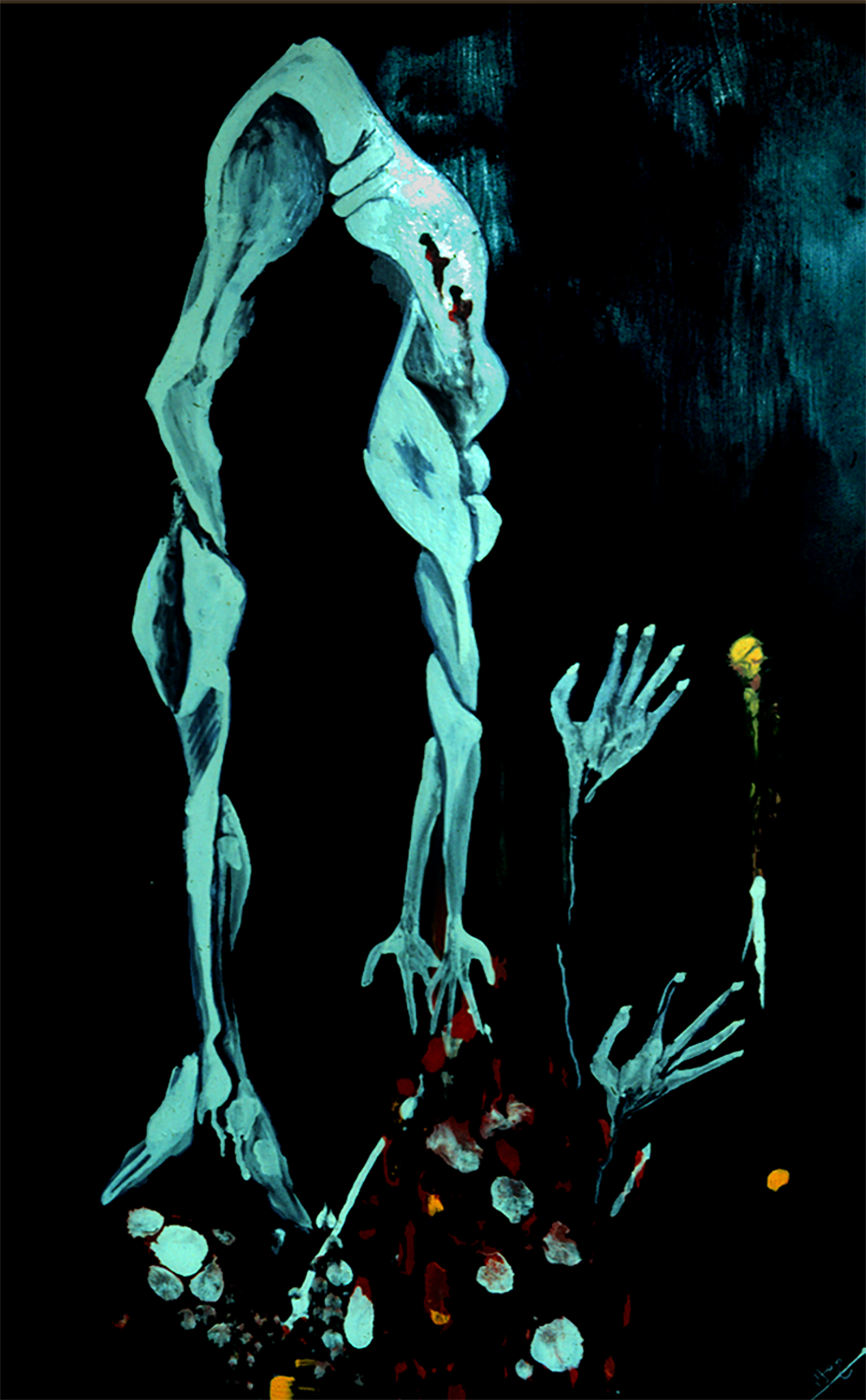
In these works, history appears not as narrative but as atmosphere—an enduring pressure carried within the body. Figures hover between resolve and fracture amid political violence, repression, and memory. Rather than spectacle, the works evoke the psychic residue of revolution and war, holding space for moral complexity, fragile conviction, and persistence.
-
In this constellation of works, history is neither chronology nor spectacle. It is an atmosphere. It is residue. It persists not as an event but as an imprint—lodged in posture, suspended in gesture, carried within the silent architecture of the body. Revolution, war, and political rupture appear here not as scenes to be narrated, but as psychic weather through which the human figure moves, hesitates, fractures, or endures.
These works inhabit thresholds: before action, after catastrophe, beneath surveillance, within repression, amid disappearance. The body rarely stands whole. It fragments, dissolves, hovers between resolve and fear. Illumination isolates rather than clarifies; darkness becomes a chamber of unresolved memory. Light does not redeem—it exposes solitude.
Where mythic endurance and systemic force converge, history enters as pressure. In works such as The Siahkal Incident, Ashraf, and War in Balkan, the emphasis is not on the depiction of events but on their lingering psychic atmospheres. Figures ascend yet remain precarious, caught at the brink of decision. Others hover in suspension, neither fully fallen nor secure. The ascending body in Siahkal stands on the edge of action, while surrounding presences seem arrested between hesitation and consequence. In Ashraf, the figure dissolves into phosphorescent fragments—memory resisting erasure even as it fades into unstable light.
Revolution here is stripped of spectacle. It is rendered as solitude. Martyrdom becomes elegy rather than glorification. Conviction coexists with fragility; ideals compress under the weight of repression. The works refuse verdicts—neither heroizing nor condemning. Instead, they hold space for moral complexity: belief under surveillance, courage shadowed by doubt, loss carried without resolution.
Collective trauma manifests as environment as much as figure—sealed spaces, obscured horizons, architectures of darkness. History becomes an enclosing structure that reshapes the human form from within. Ideals are tested against fear; memory flickers between illumination and obscurity. What remains is not certainty but persistence: the uneasy ethics of remembrance, the fragile endurance of conviction, the body bearing what cannot be fully spoken.
In these works, history is not past. It is present tense—an interior condition through which the figure continues to stand, tremble, and remember.