Pastels on Textured Cardboard with Sealer Application
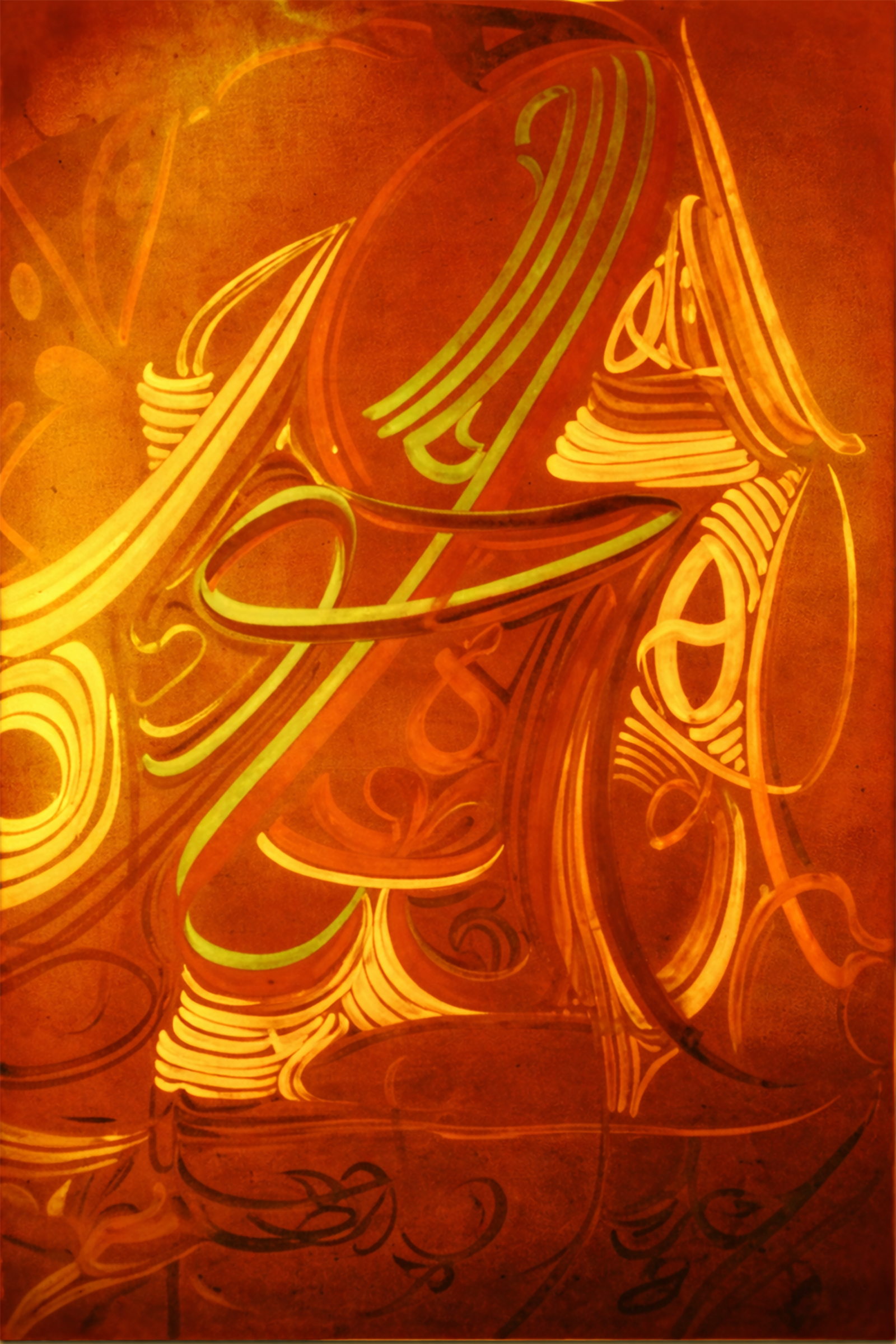
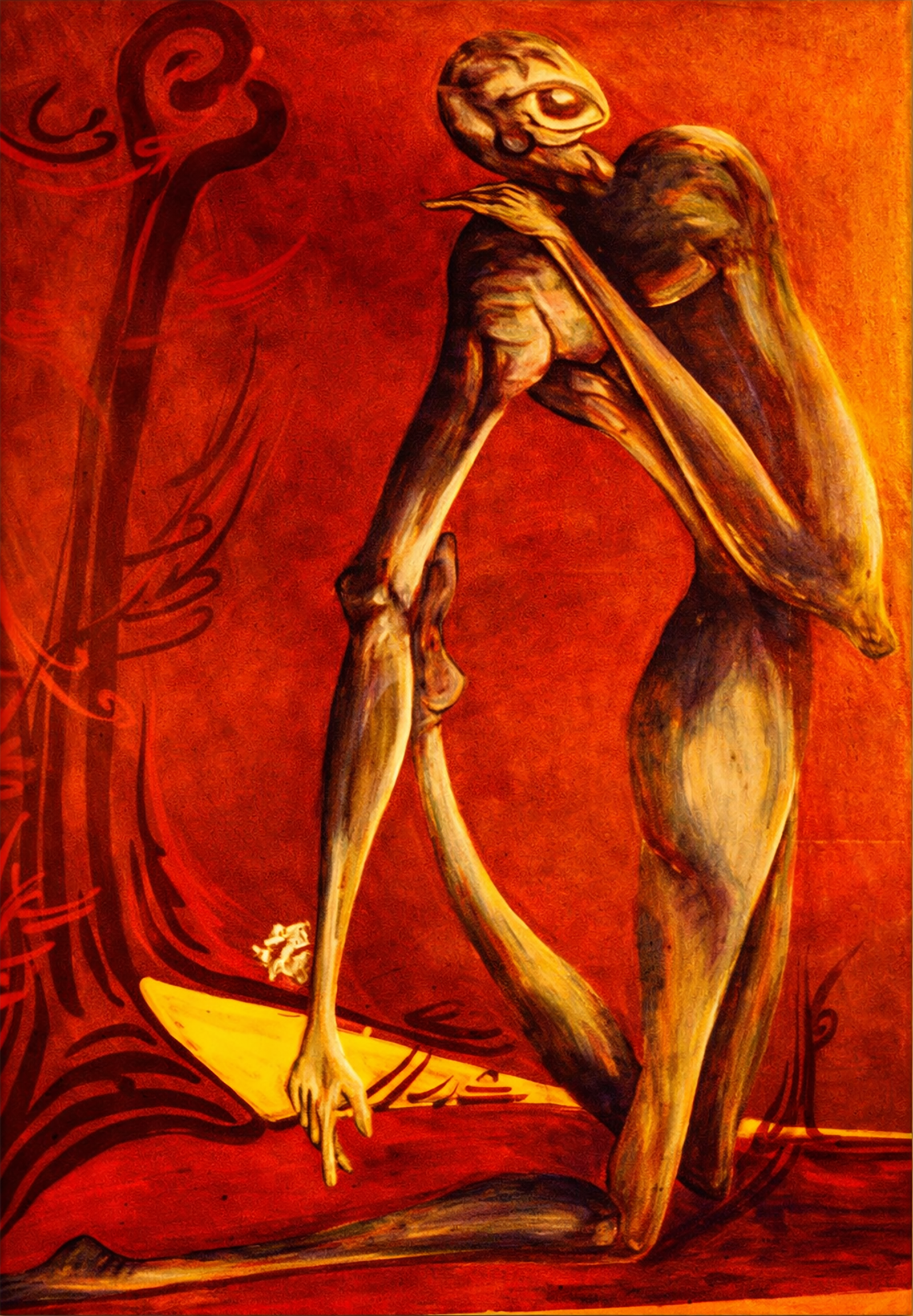
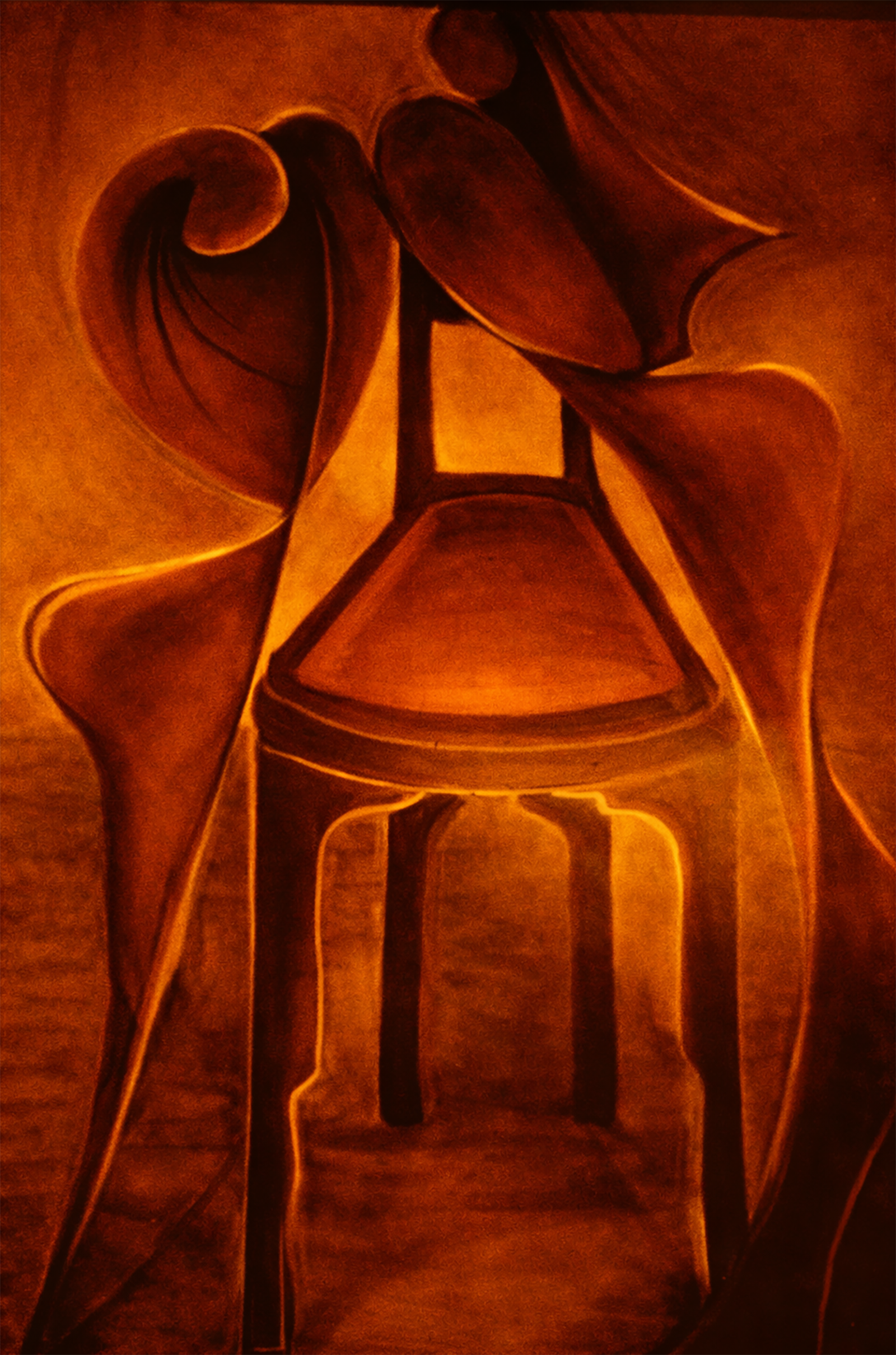
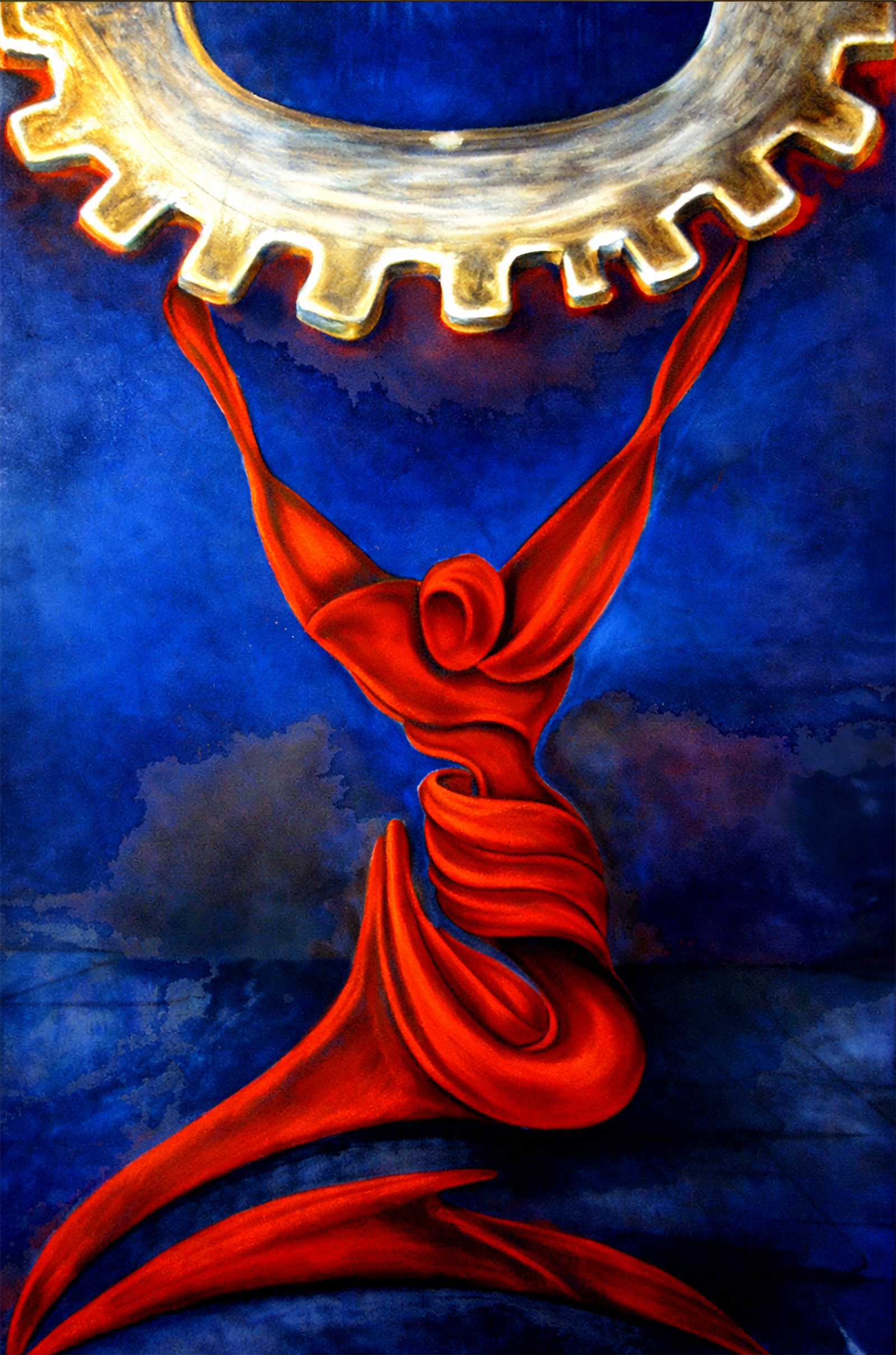
In the early 1970s, the artist developed a hybrid technique combining pastel on textured cardboard with successive layers of clear sealer. The process stabilizes the delicate pigment while deepening color and contrast. These works exist between drawing and painting, preserving pastel’s immediacy while achieving a surface resonance approaching the depth of oil.
-
In the early 1970s, I began exploring an approach that would gradually evolve into a distinct hybrid technique: applying colored pastels to textured cardboard and unifying the surface through successive layers of clear sealer. The method emerged organically. Initially, pastel on cardboard served as a preparatory medium—compositional sketches and tonal studies intended for later translation into oil. Over time, however, the preliminary marks began to assert themselves. I extended the drawings, deepened the shadows, refined the contours, and ultimately completed the figures directly on the cardboard surface.
The results carried an immediacy and vitality that compelled further exploration, yet two limitations became evident. Pastel, by its nature, is materially delicate—vulnerable to touch and environmental change. Its luminous color, though vibrant, lacked the depth and optical resonance I associated with oil painting.
In response, I began applying a clear liquid sealer in thin, controlled layers across the pastel surface. The sealer penetrates the textured ground, binding the pigment, stabilizing the composition, and simultaneously intensifying tonal contrast and chromatic saturation. As the layers accumulate, the surface develops a quiet depth and cohesion reminiscent of oil, yet it preserves the tactile directness and spontaneity of drawing.
The resulting works exist between media. They are neither traditional pastel nor conventional oil, but a synthesis of both. The pastel establishes the chromatic foundation; the sealer acts as a unifying and transformative agent—enhancing luminosity, enriching texture, and converting the inherent fragility of dry pigment into a surface of greater permanence and visual resonance.