The Body as a Site of Meaning: Myth, Spirit, and Existential Endurance
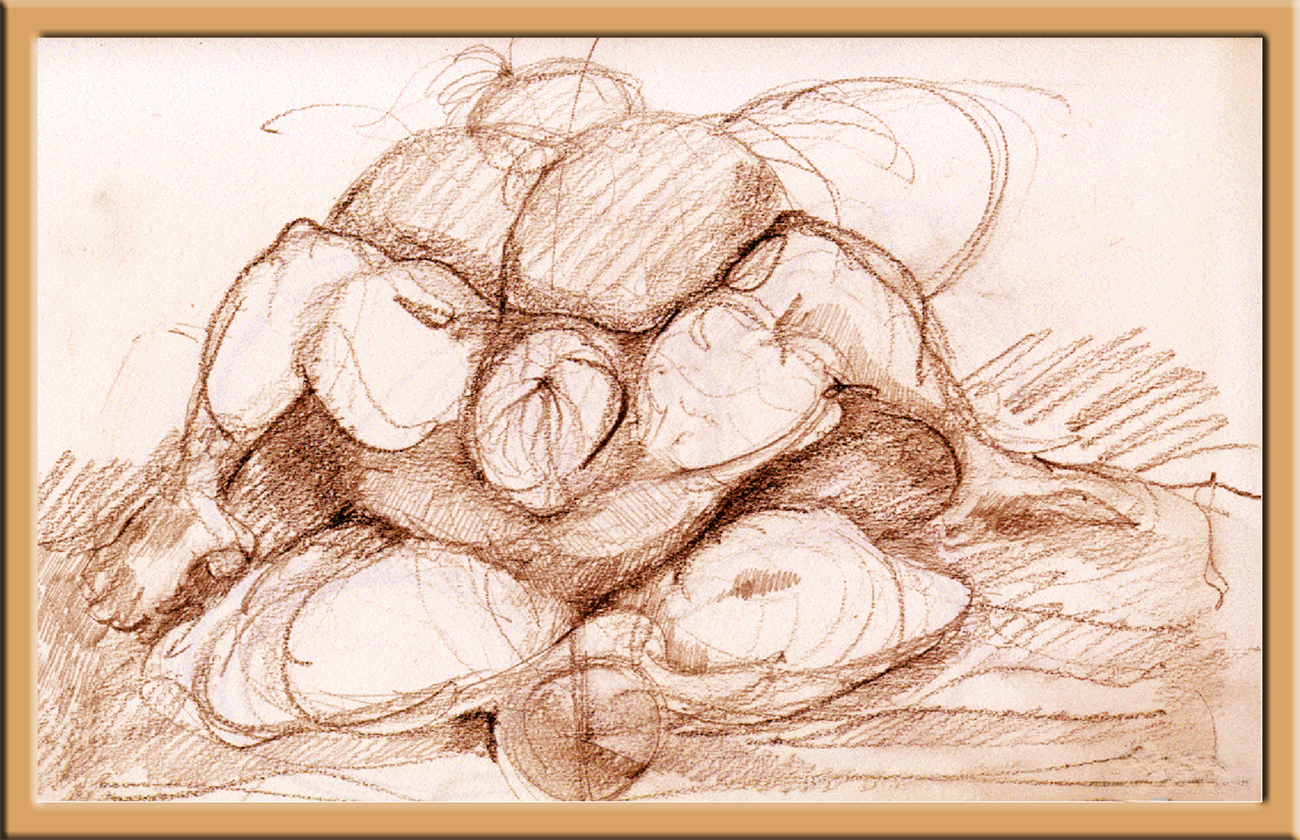
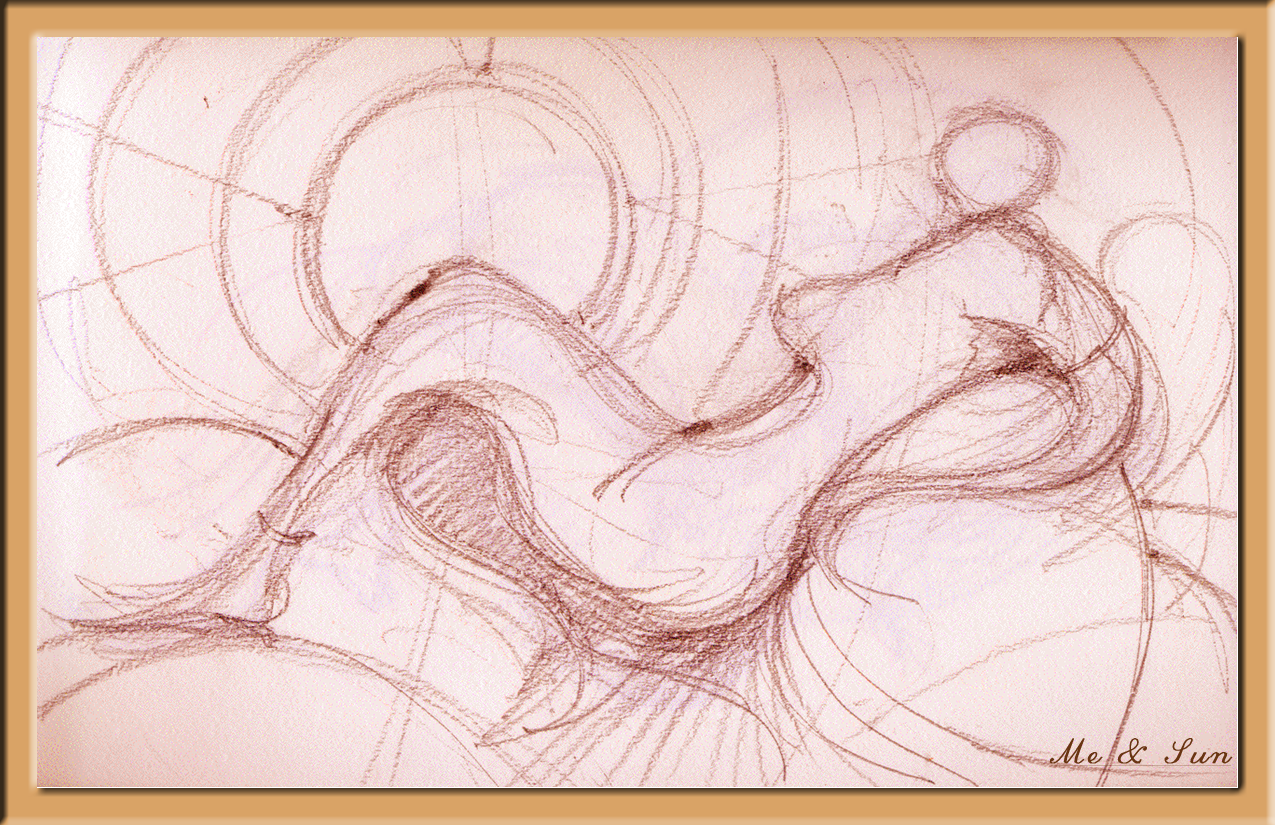
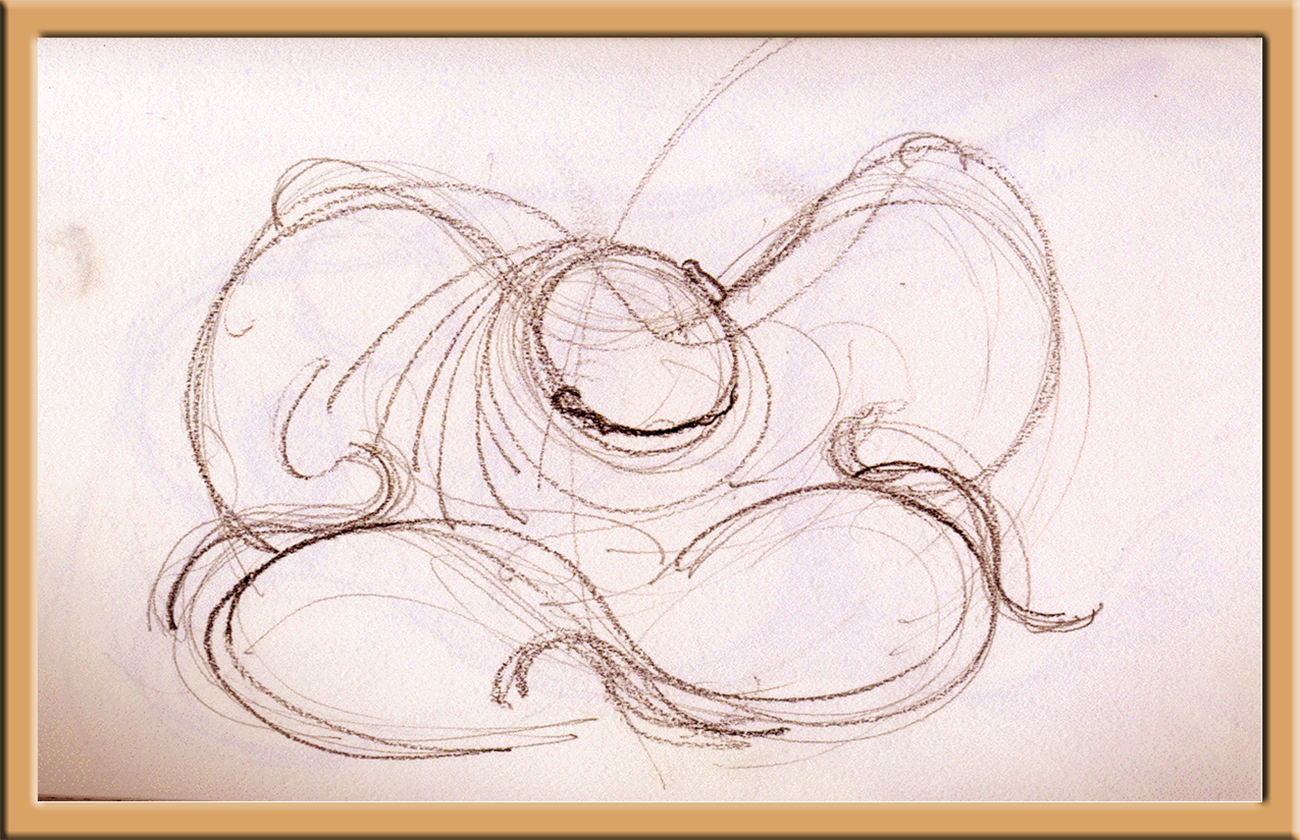
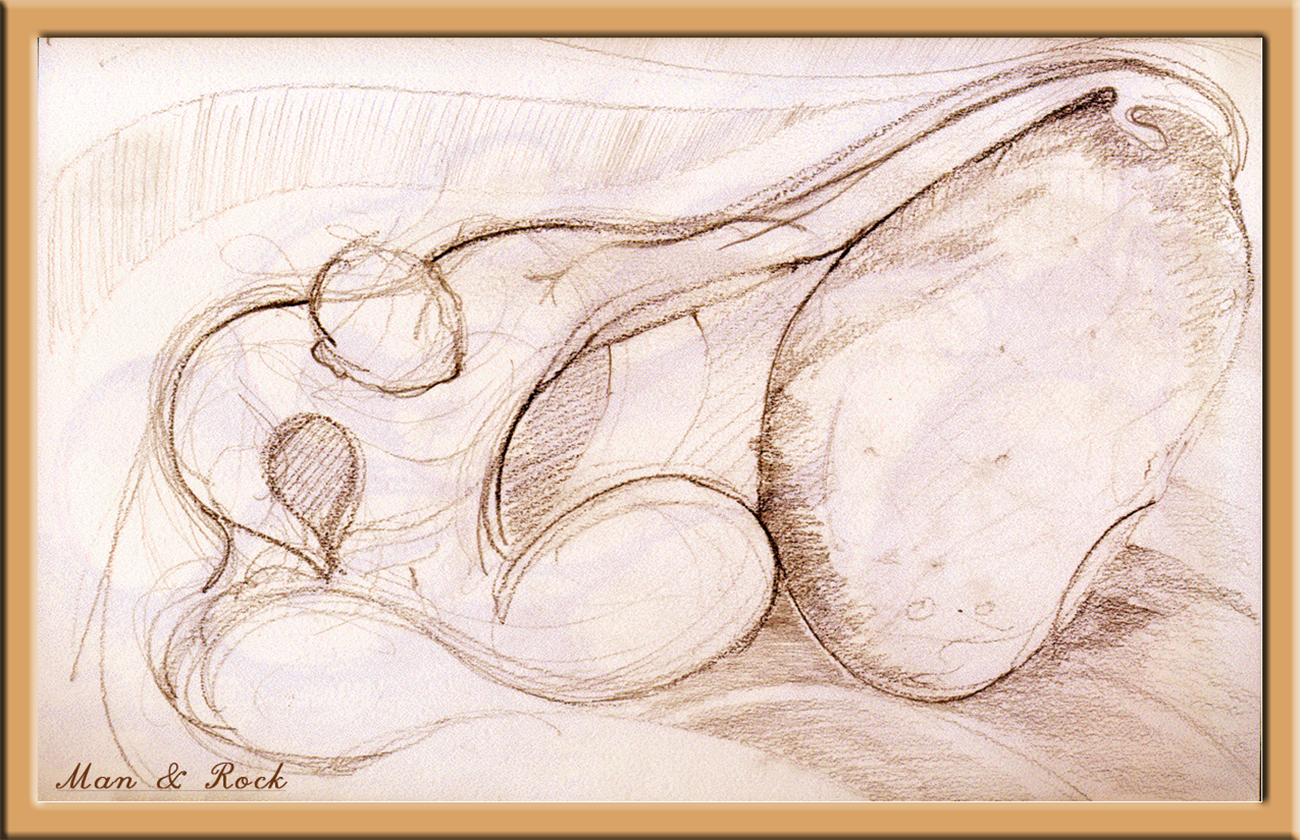
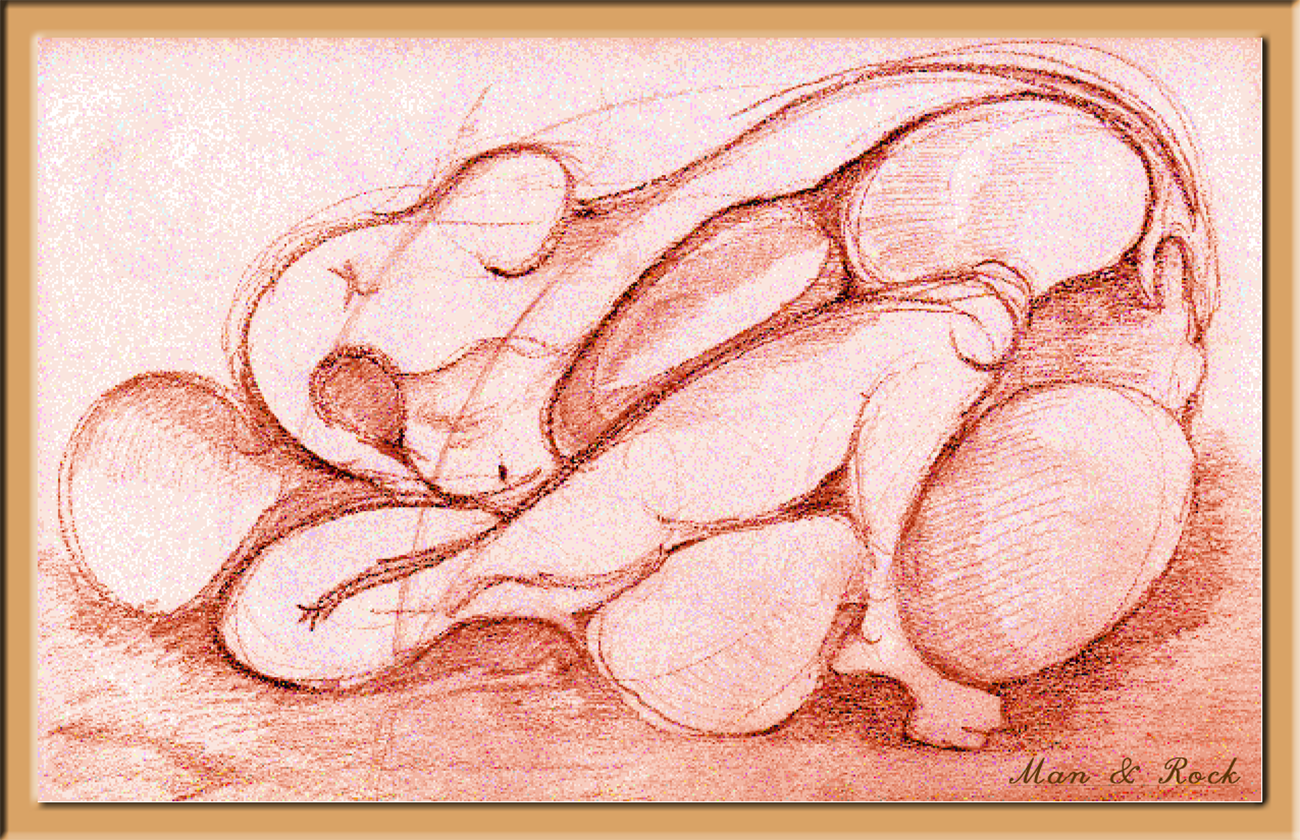
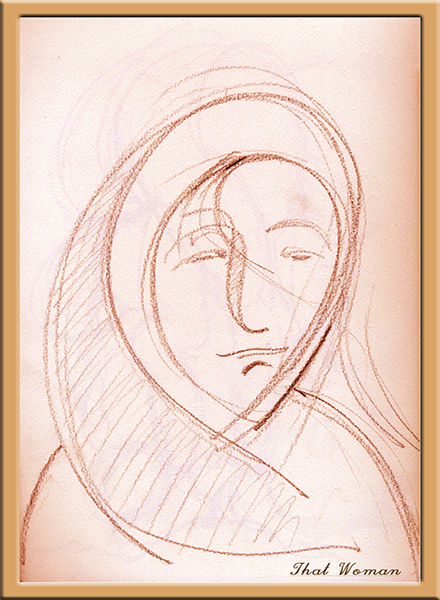
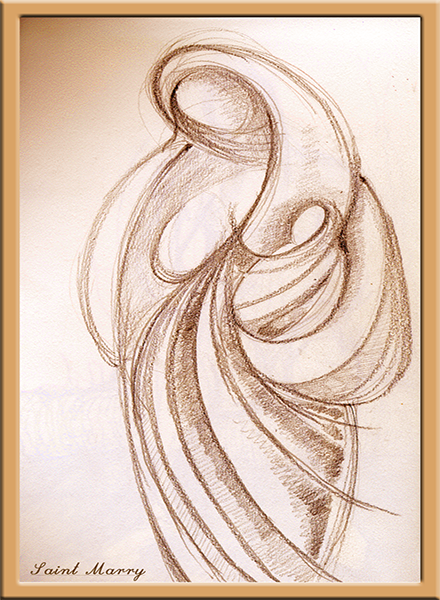
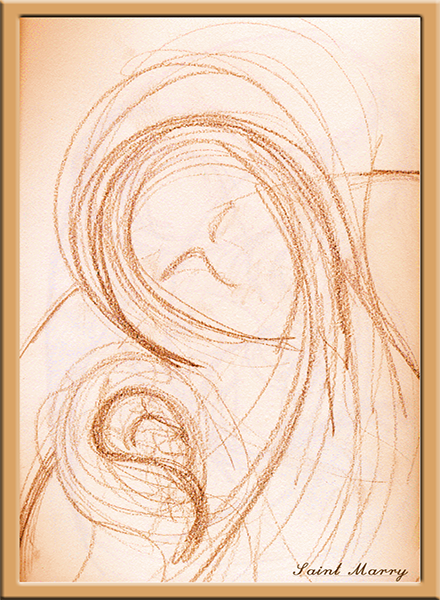
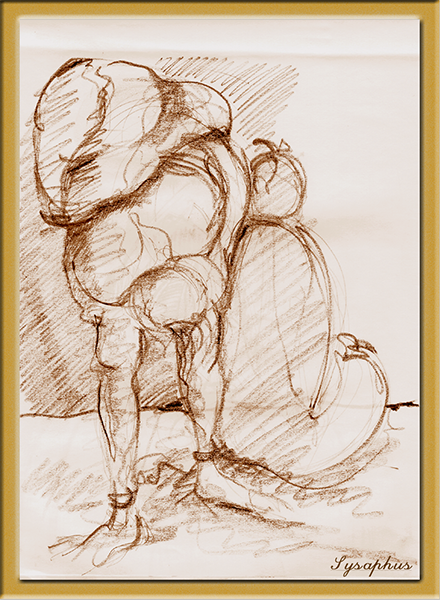
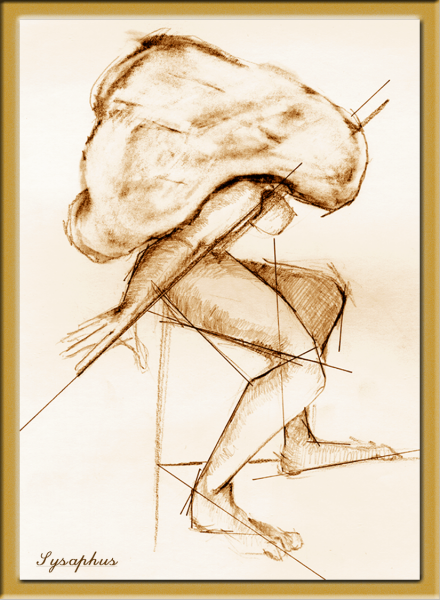
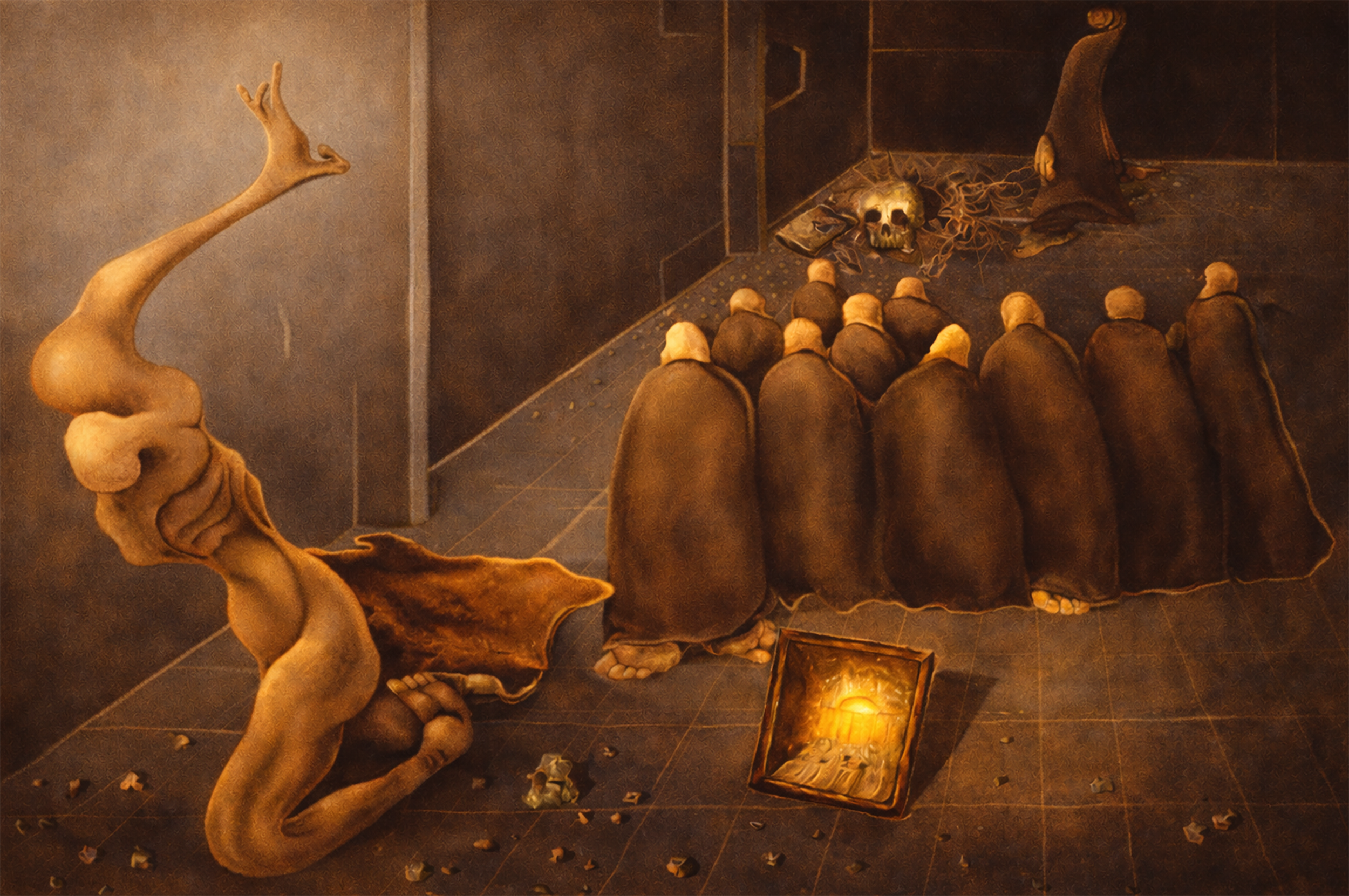
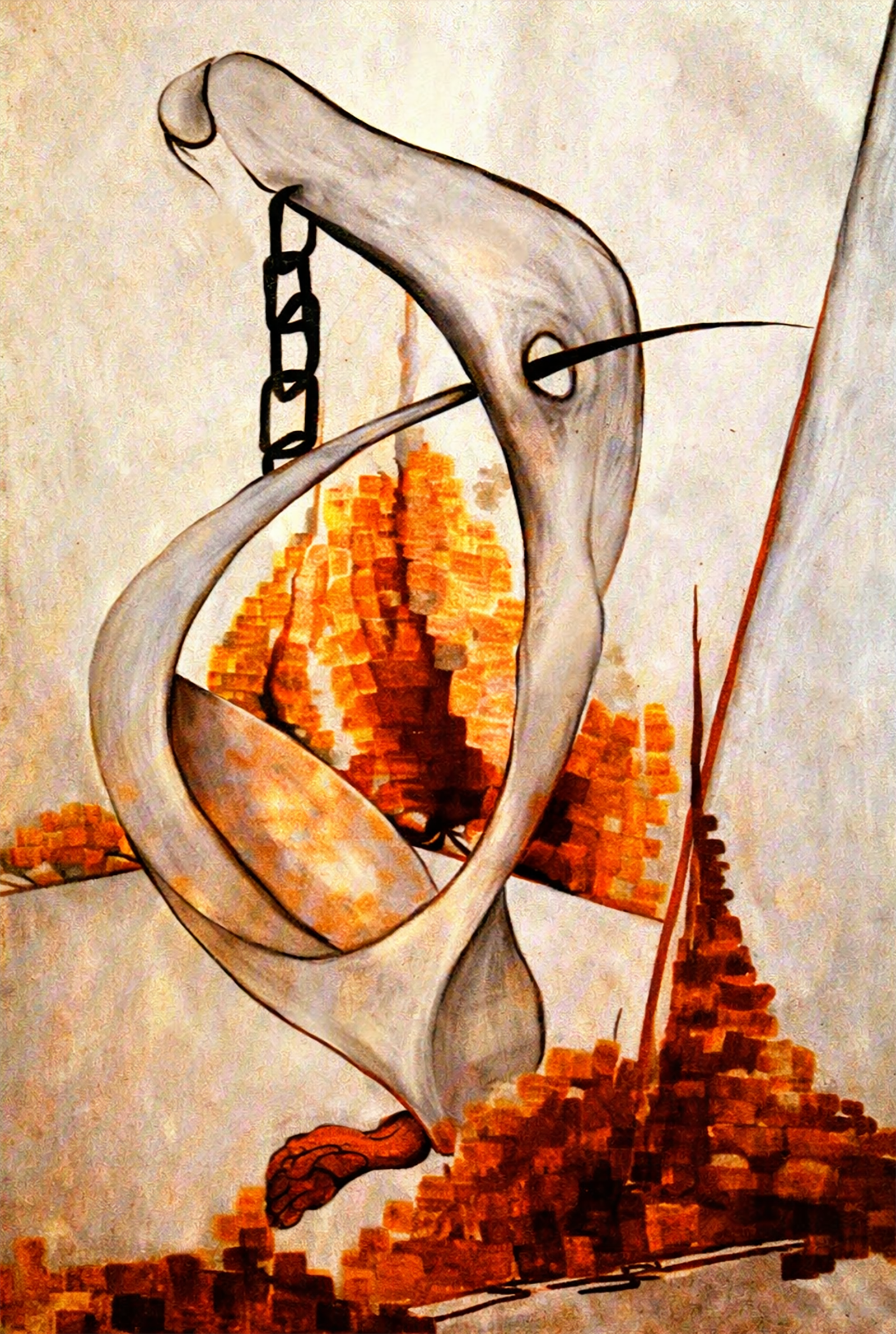
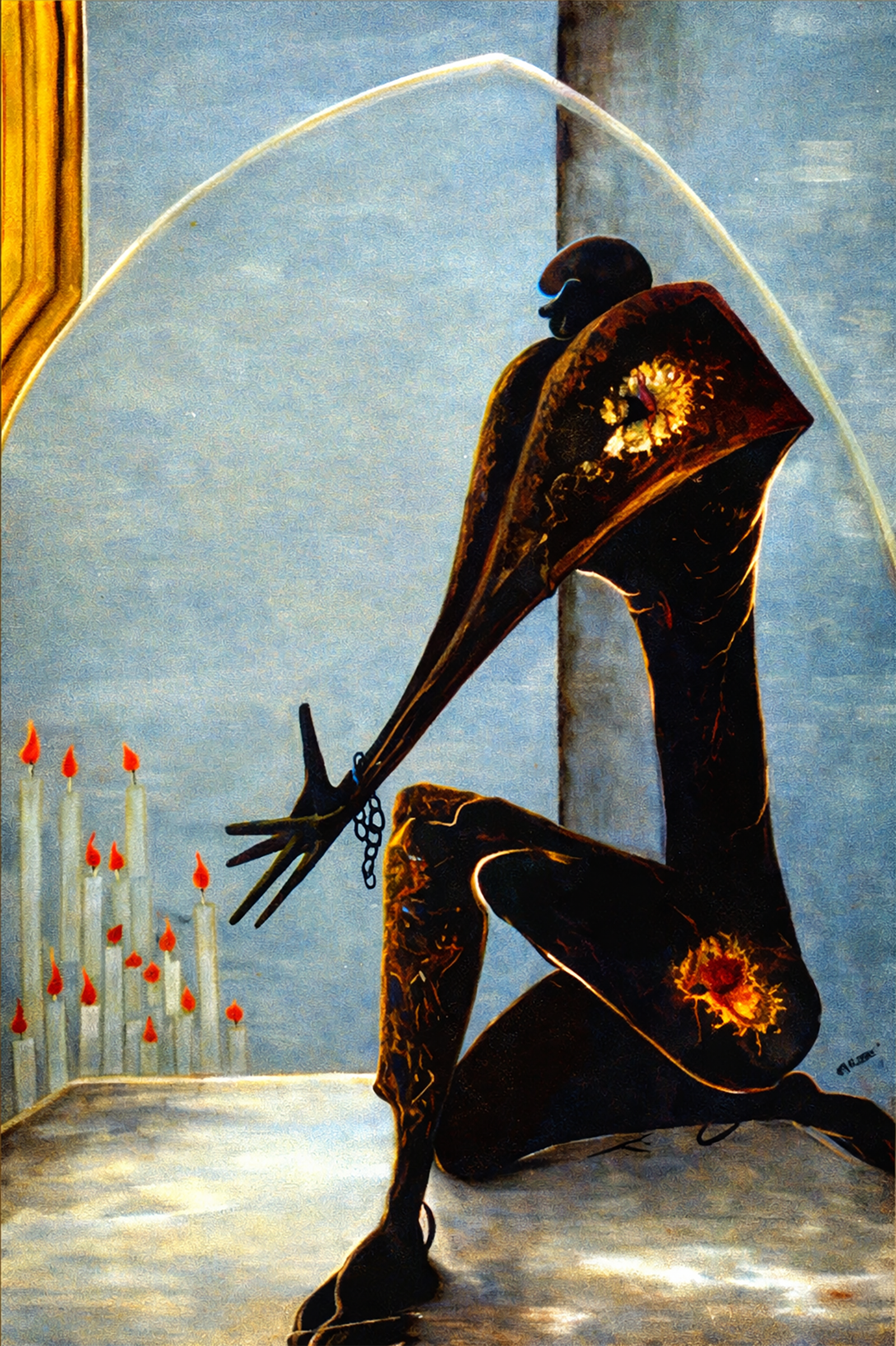
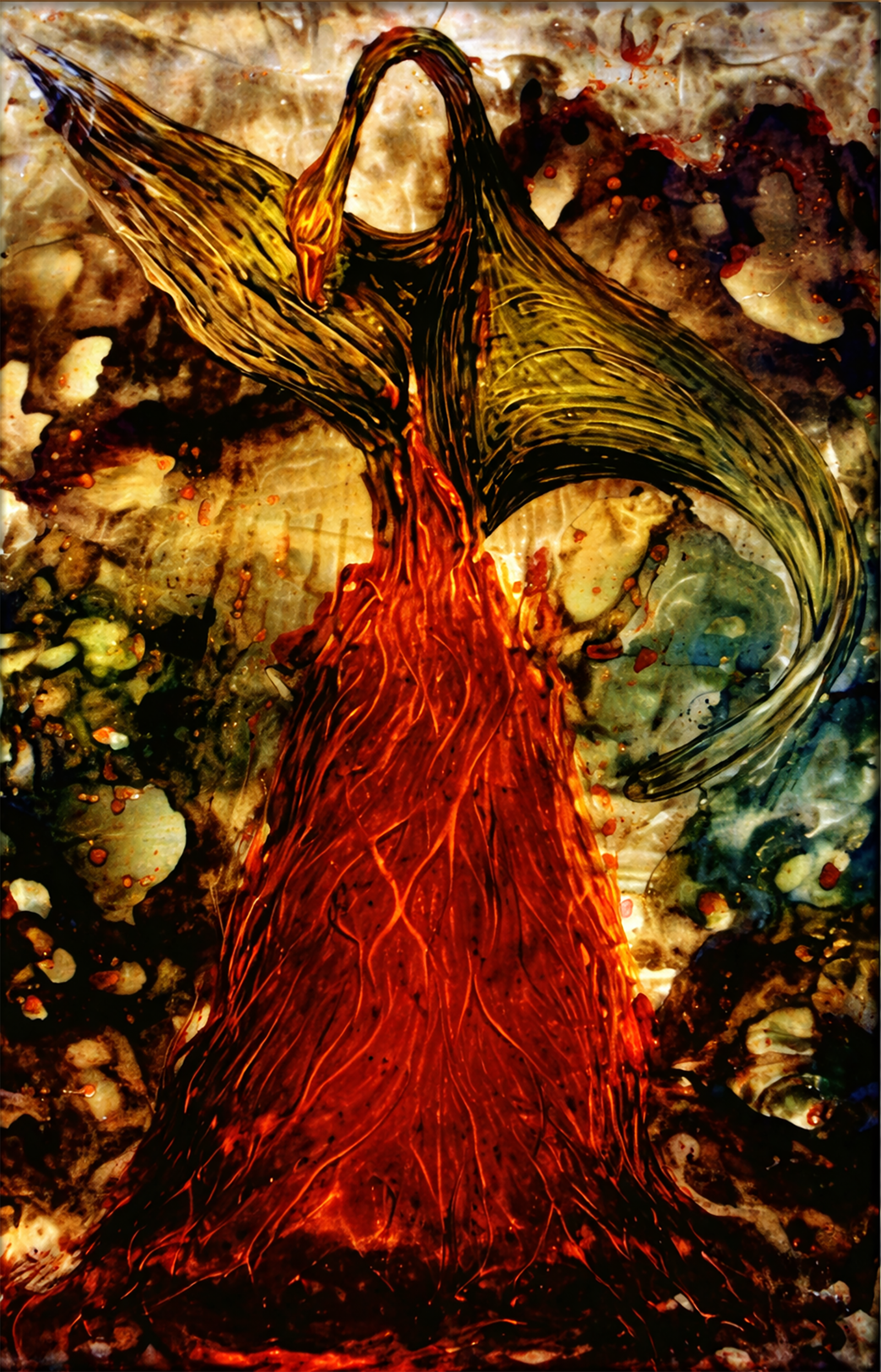
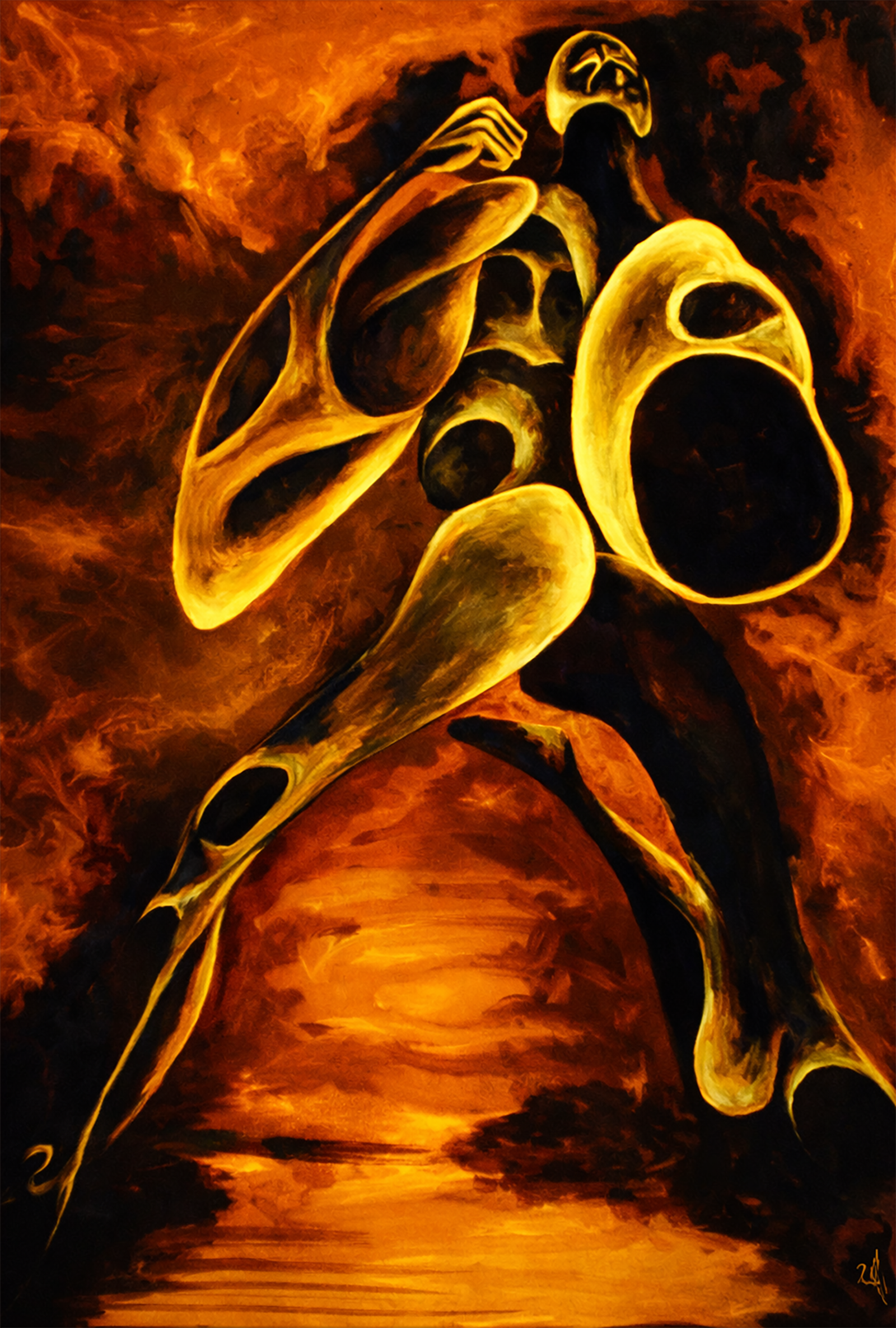
Across this body of work, the human figure becomes both subject and structure, embodying tensions of myth, power, faith, and history. Through posture, gesture, and fragmentation, the body registers invisible pressures and enduring struggle. The works form a meditation on persistence—ethical, physical, and spiritual—within the forces that shape human existence.
-
Across this body of work, the human figure emerges as both subject and architecture—a living structure through which myth, history, power, faith, and intimacy are pressed, tested, and made visible. Whether monumental in scale or intimate in drawing, rendered in oil or traced in graphite, each work returns to a single, insistent inquiry: how does the body endure within forces that exceed it? These are not narrative images. They do not recount events. They construct conditions—philosophical, emotional, existential—within which the figure does not describe experience but becomes it.
Suspended, compressed, fractured, kneeling, rising, circling, or merging, the body appears as a site where invisible pressures take form. It bends beneath structures of belief and authority; it absorbs memory; it carries the residue of conflict and devotion. The figure is not simply depicted—it is inhabited as a field of tension. Through posture and gesture, weight and rupture, the works trace the fragile architecture of persistence.
The exhibition unfolds across four interwoven frameworks: mythic and spiritual endurance; systems of power and modernity; historical trauma and political memory; and relation as cultural continuity. Together, they form a sustained meditation on what it means to persist—ethically, physically, spiritually—within the structures that shape, confine, and define human life. The body becomes a primary language for metaphysical inquiry: endurance, rebirth, sacrifice, solitude, and the struggle to continue without certainty of resolution.
Myth and archetype—Sisyphus, the phoenix or Simorgh, the gladiator, the samurai—are not treated as stories to illustrate but as frameworks for thinking, as vessels for paradox. Heroism here is stripped of spectacle and redefined as persistence through fracture. Transcendence is never clean; awakening comes at a cost. The body does not escape history—it bears it.
Faith appears not as doctrine but as an interior event: devotion, rupture, and moral reckoning enacted through posture—kneeling, tearing, rising, folding inward. Salvation is less the subject than endurance itself. What does it mean to continue? To awaken under pressure? To bear weight and rise again, knowing the weight will return?
In these works, the body stands as both witness and structure—an enduring form through which history moves, and meaning is made visible.
Blah blah