Systems and Pressure: Power, Industry, Surveillance, and the Engineered Self
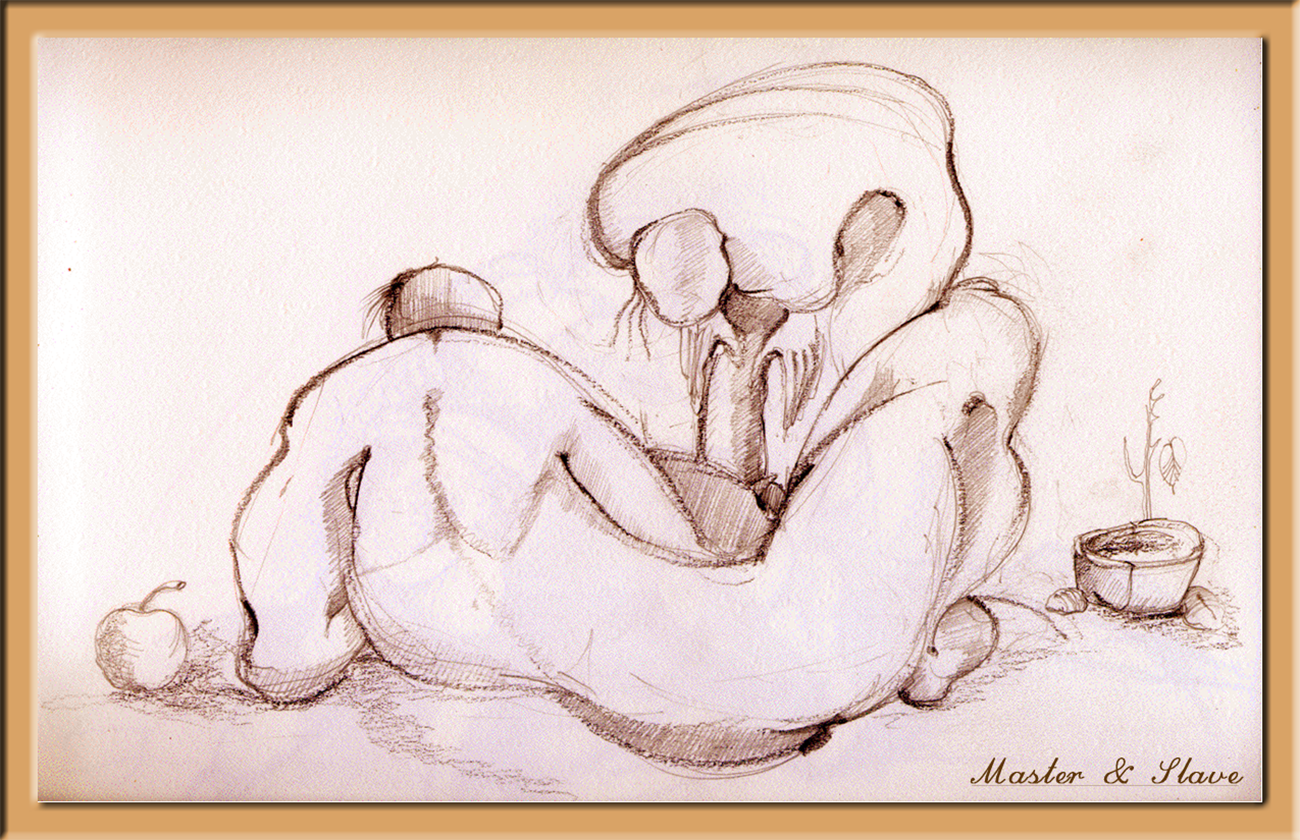
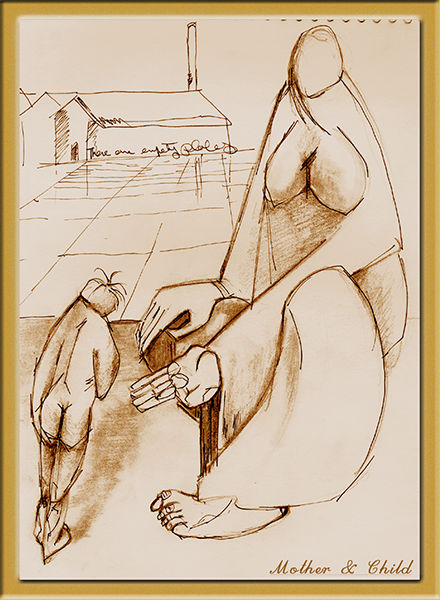
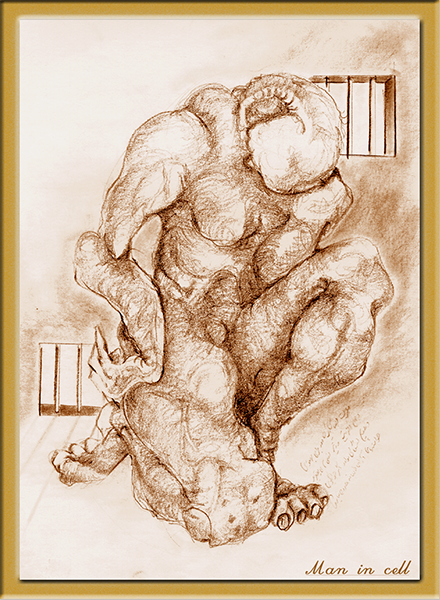
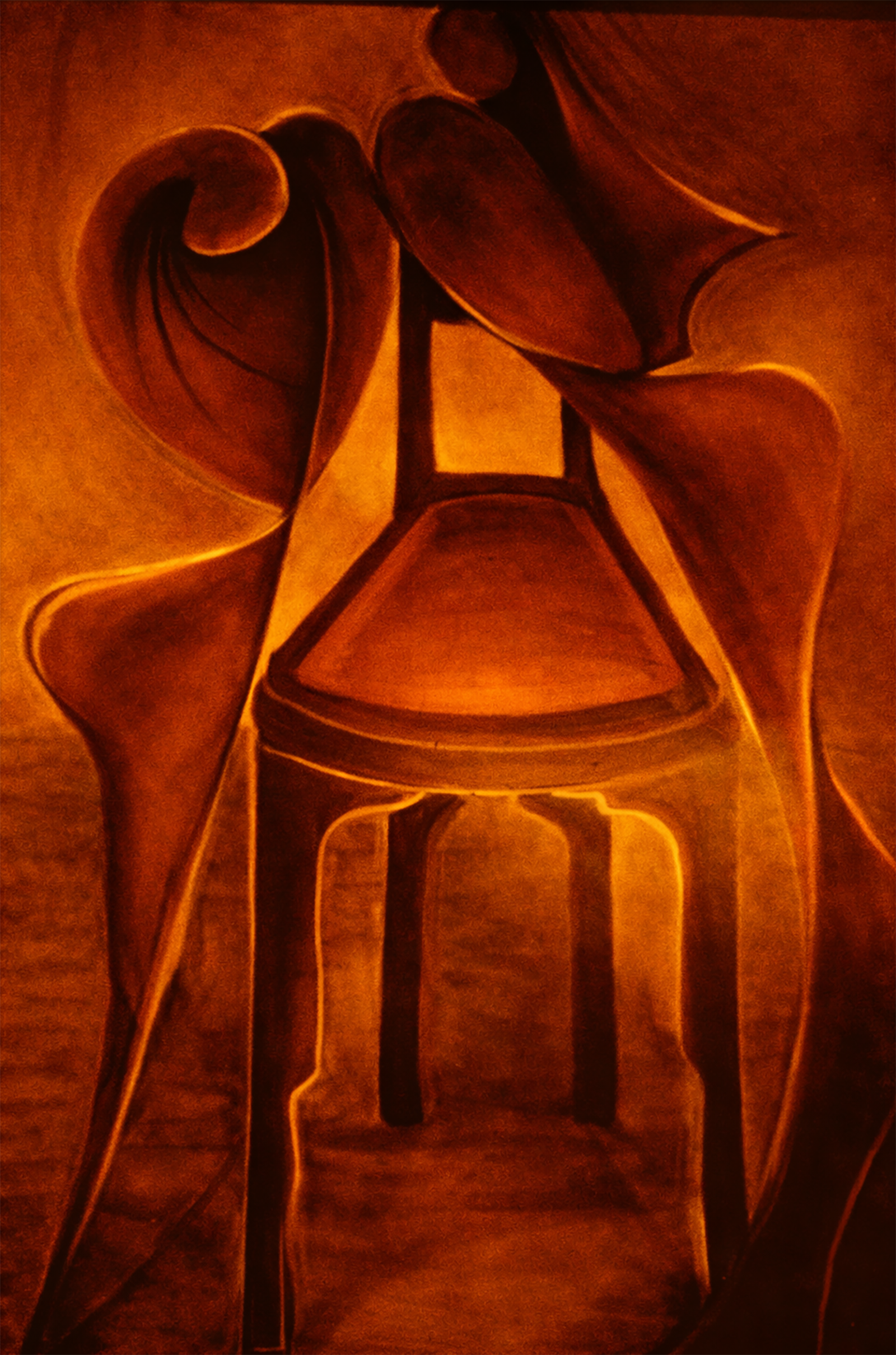
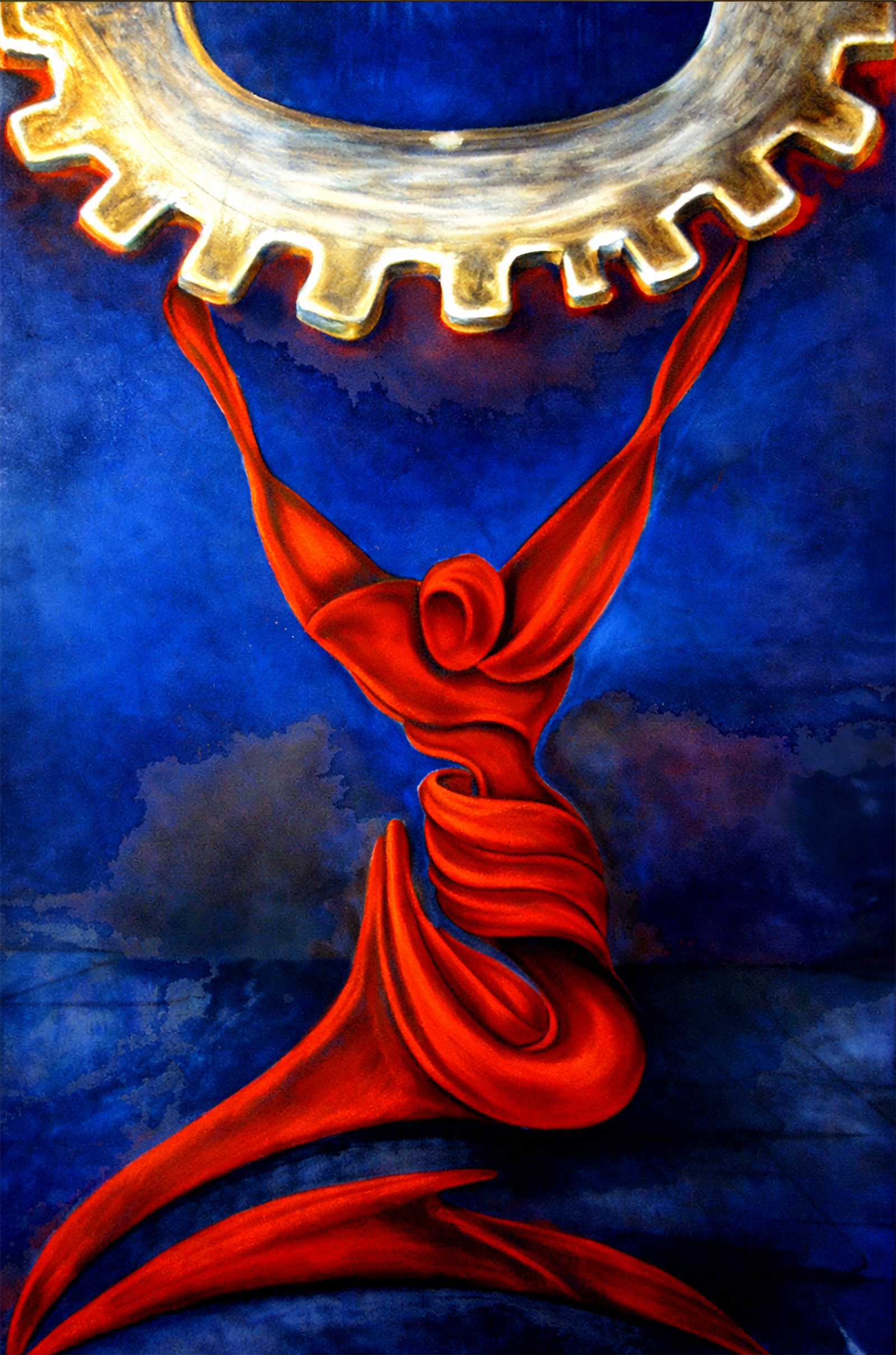
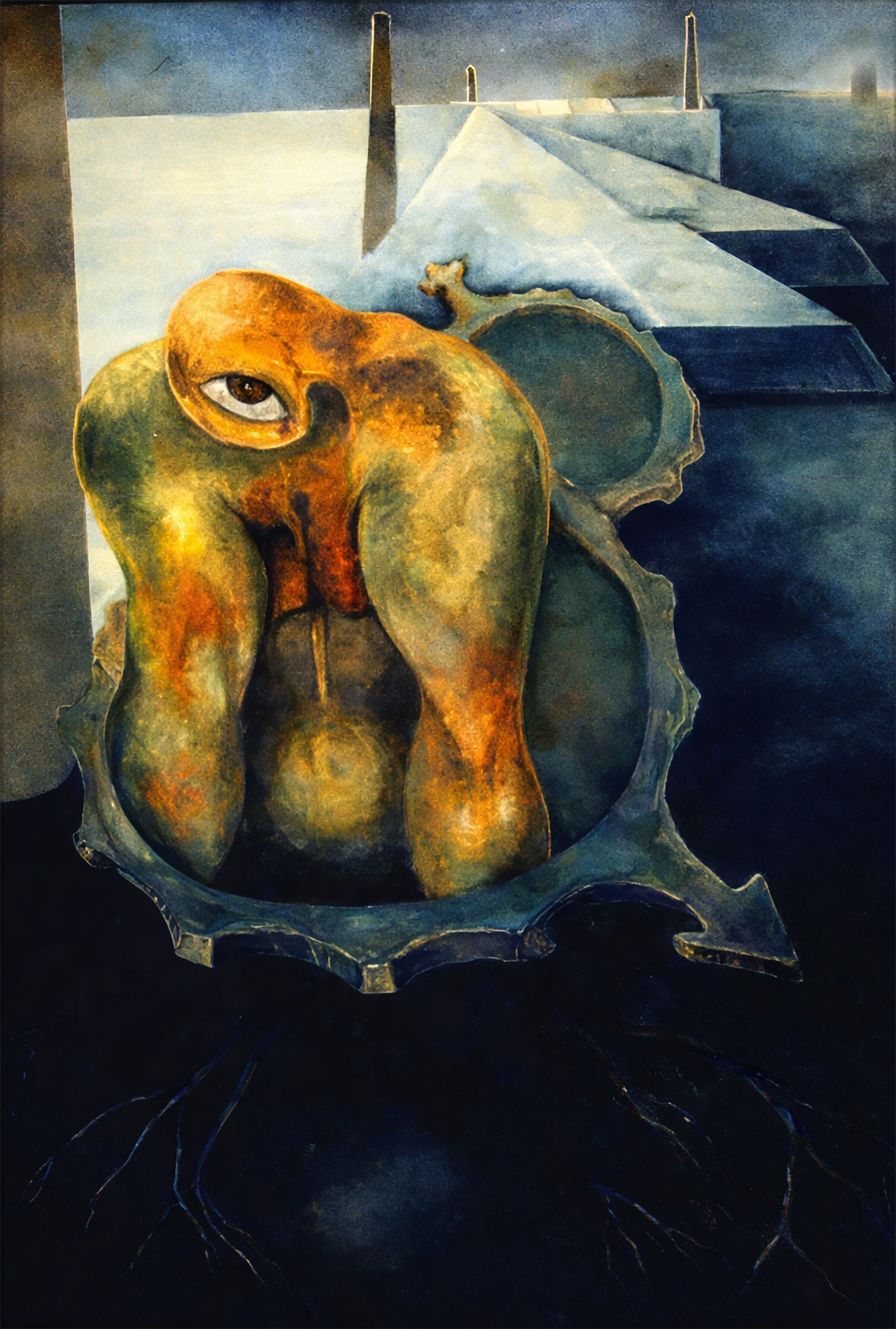
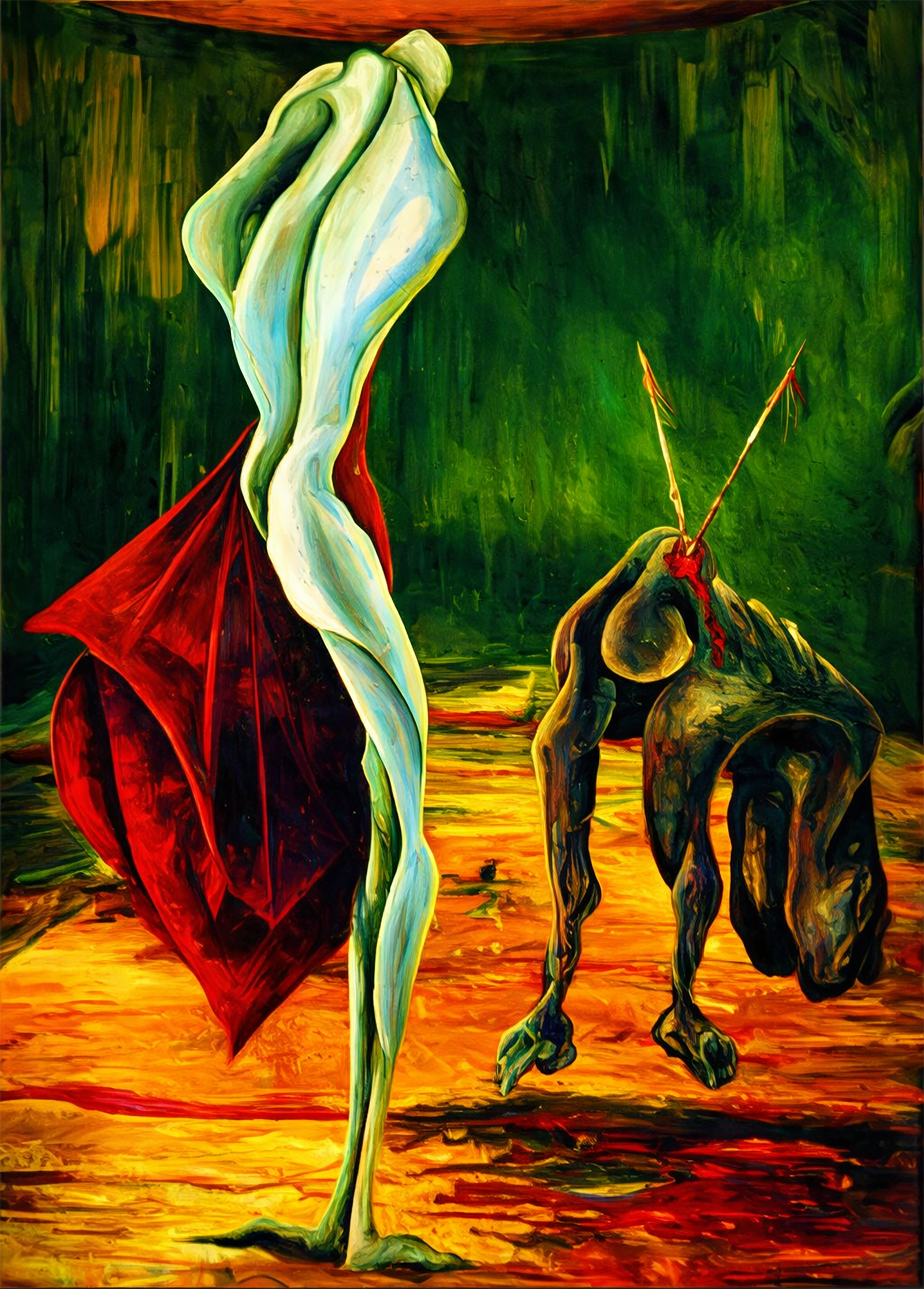
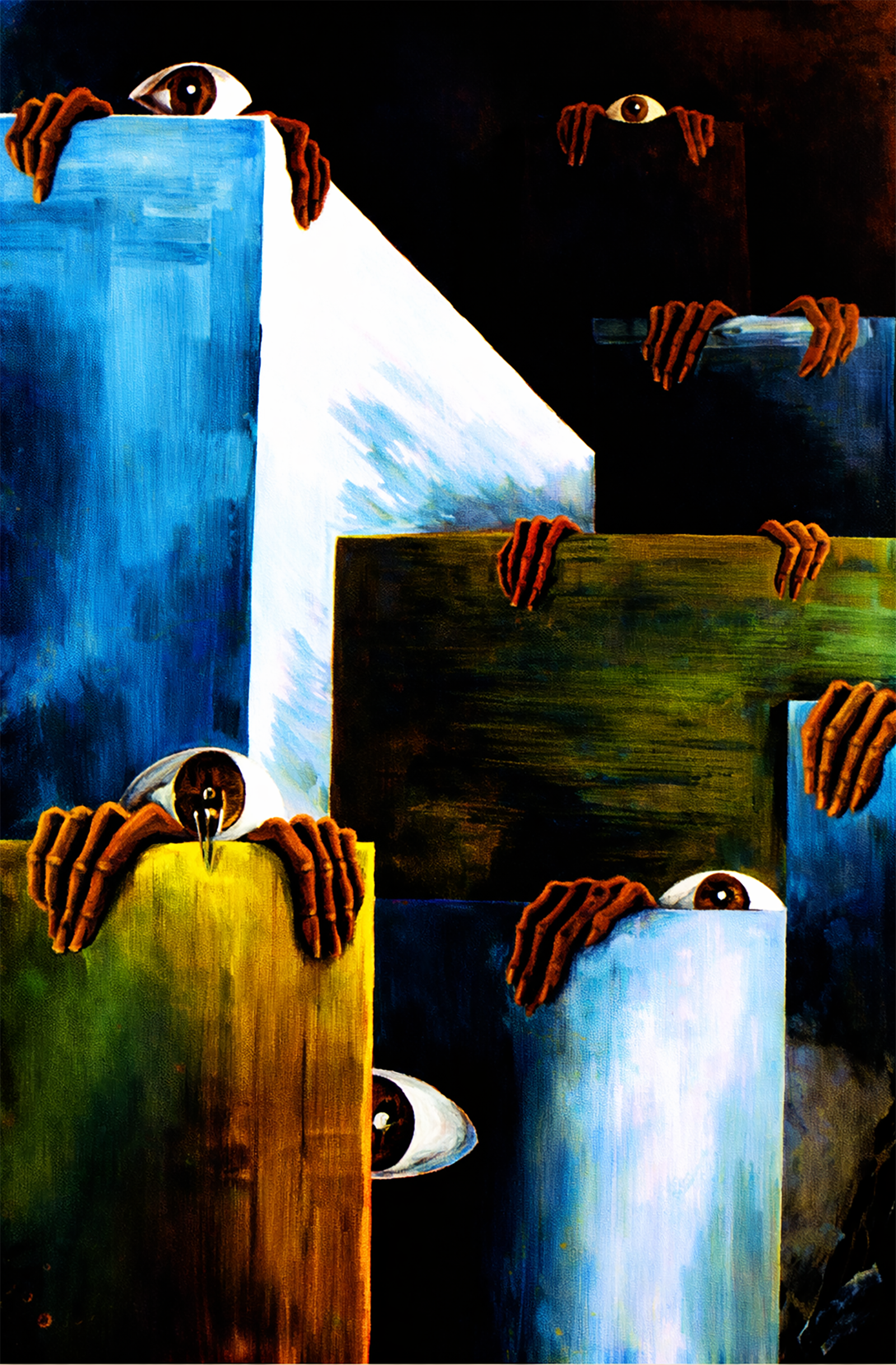
In this body of work, industrial and institutional structures actively shape the human figure. Grids, arenas, and mechanical systems compress, discipline, and fragment the body, revealing how modern power operates through design and repetition. Yet within these engineered environments, the figure endures—bending under pressure while resisting complete submission.
-
In this body of work, structure does not recede into the background—it advances as a force. Industrial grids, institutional walls, architectural planes, arenas, compartments, gears, and factory skylines do not frame the figure; they shape it. They press against flesh, suspend motion, divide space, and discipline posture. The body appears not in isolation but within systems—engineered environments where behavior is organized, visibility regulated, and identity formed under pressure.
Here, power operates quietly. It repeats, contains, and designs. It presents itself as neutral—efficient, rational, inevitable—while producing fracture. The figure is reduced to parts, suspended within frames, confined to cells, positioned within arenas. Geometry interrupts organic contour. Mechanical logic strains muscles and bones. The human form bends to fit compartments not built for it.
Works such as Birth of Modern Labor and Man & Industry reveal the body as already engineered—disciplined into productivity, calibrated to function. Flesh enters machinery not as master but as component. The promise of modern progress unfolds as a paradox: liberation entwined with subjugation, innovation shadowed by control. Industry does not merely surround the figure; it inscribes itself upon it.
Even ritual and play become diagrams of systemic force. In Musical Chair, exclusion masquerades as a game, repetition naturalizing hierarchy. In The Bullfighter, confrontation becomes spectacle, dominance staged as tradition. Arenas expose what institutions refine: power performed until it appears inevitable.
In quieter yet no less charged works—Man in Frame, Man in Cell—containment replaces spectacle. Lines tighten. Space compresses. The figure bends but does not dissolve. Elsewhere, in works such as Fear and Master & Slave, visibility becomes surveillance, and dominance interlocks with submission. Identity is neither innate nor freely chosen; it is molded through repetition, hierarchy, and systems of observation.
The critique within these works is neither rhetorical nor illustrative. It is anatomical. Power is not argued—it is inscribed. It enters through posture, through the angle of a spine, through the suspension of a limb within architectural constraint. Under industrial geometry and institutional light, the body becomes a site where modernity reveals its design: endurance reshaped into compliance, autonomy negotiated within enclosure, the self engineered under watchful systems.
And yet, within compression, something persists. The body strains. It bends. It remains.