Oil Paintings on Glossy-Coated Cardboard
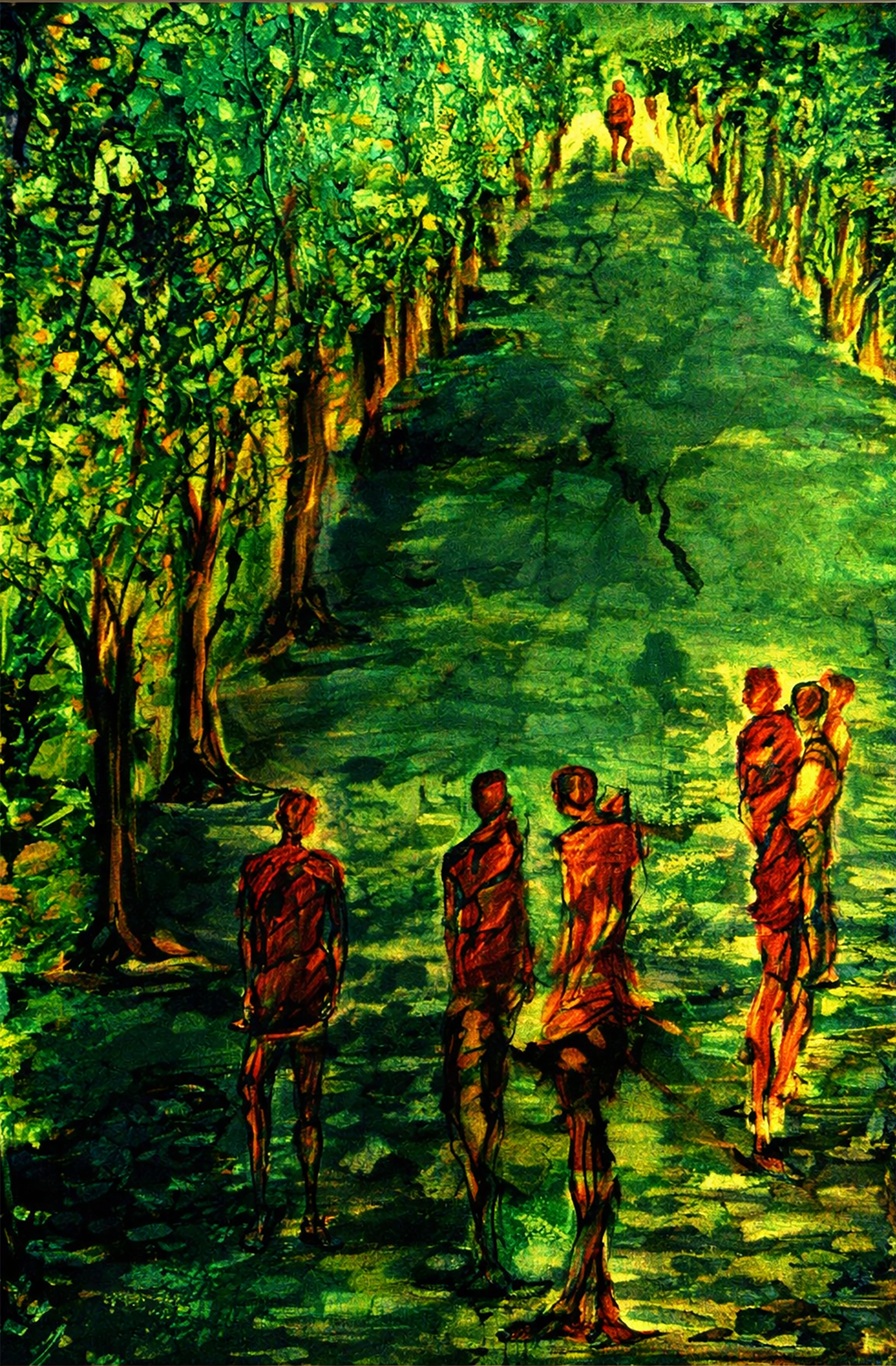
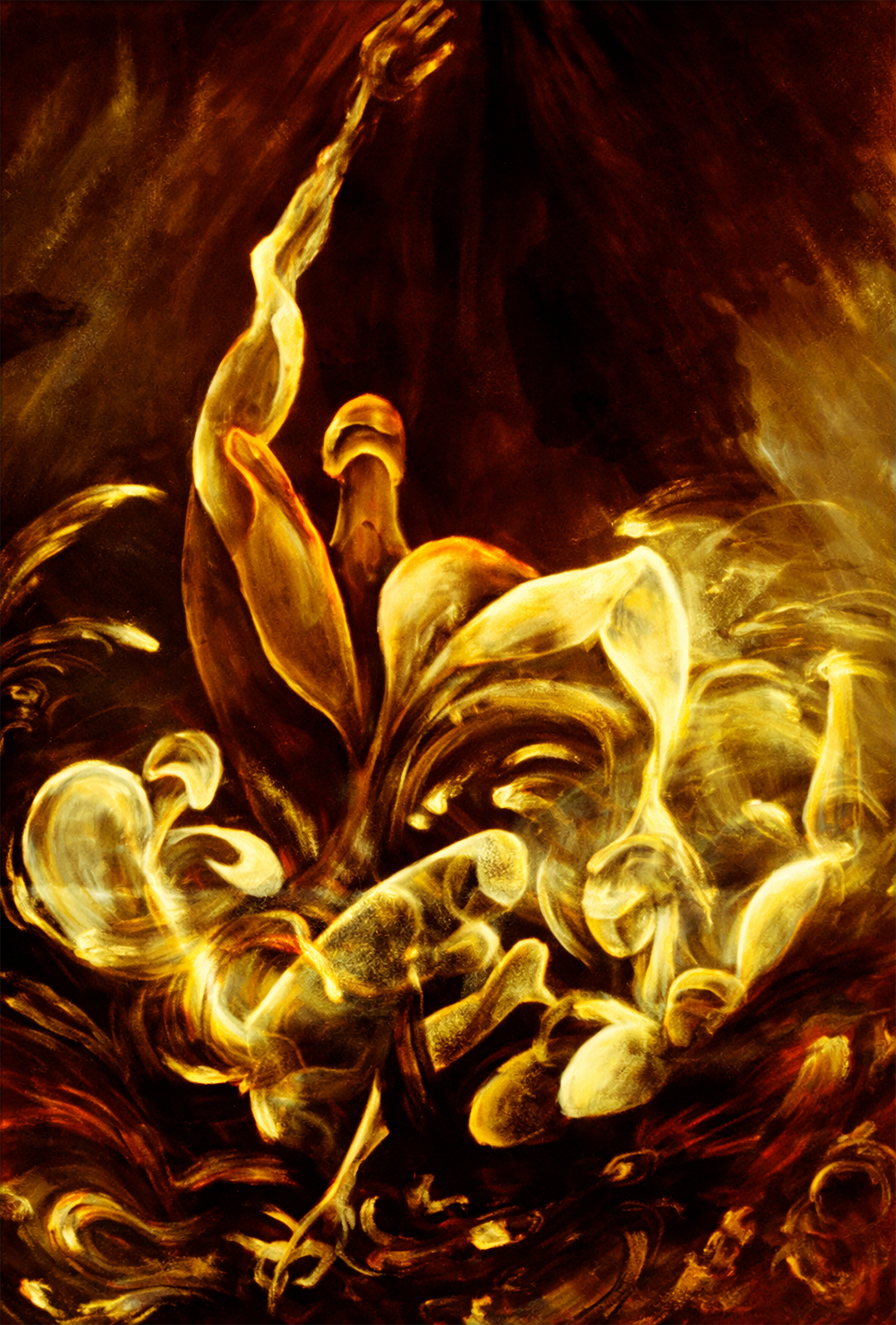
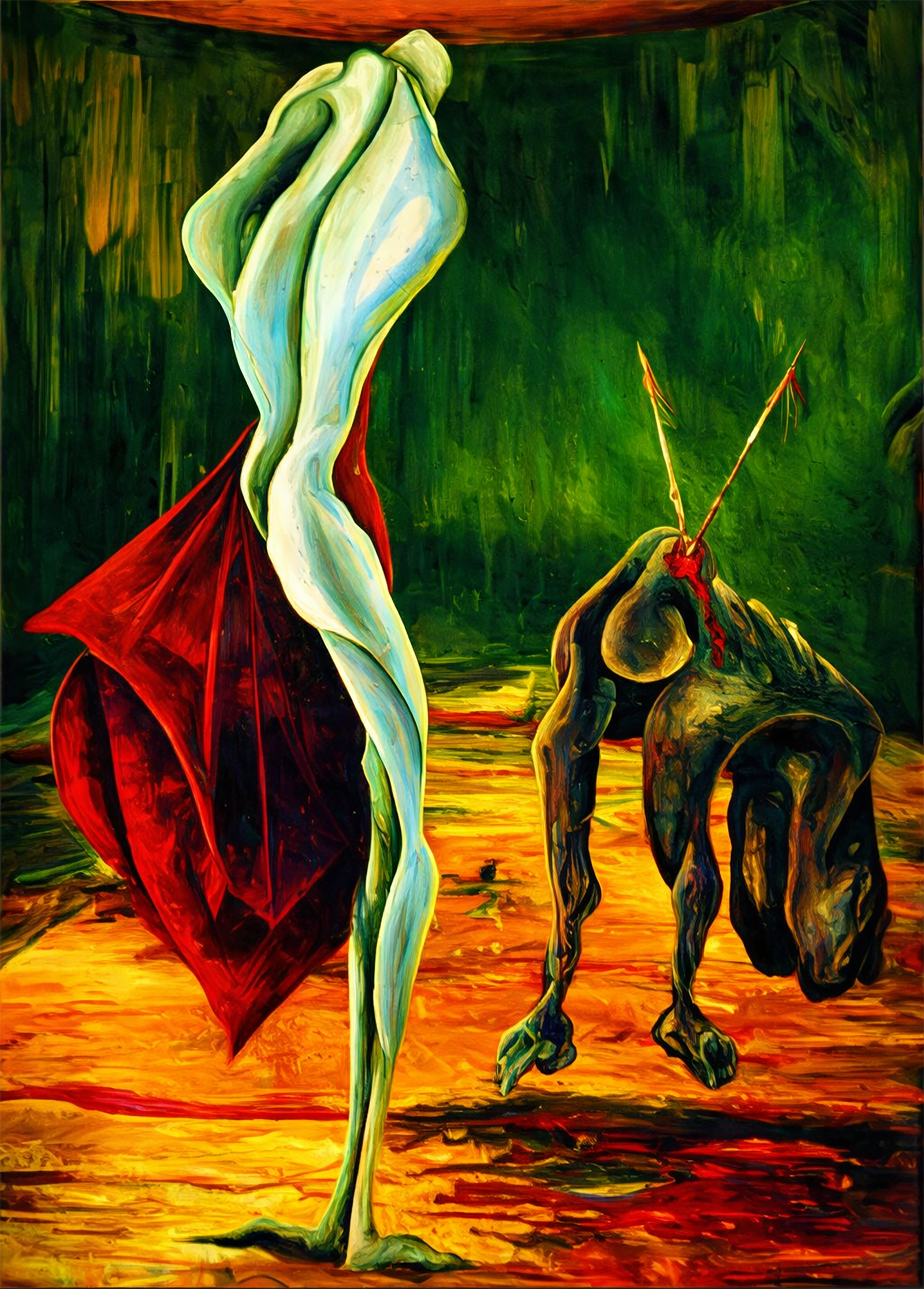
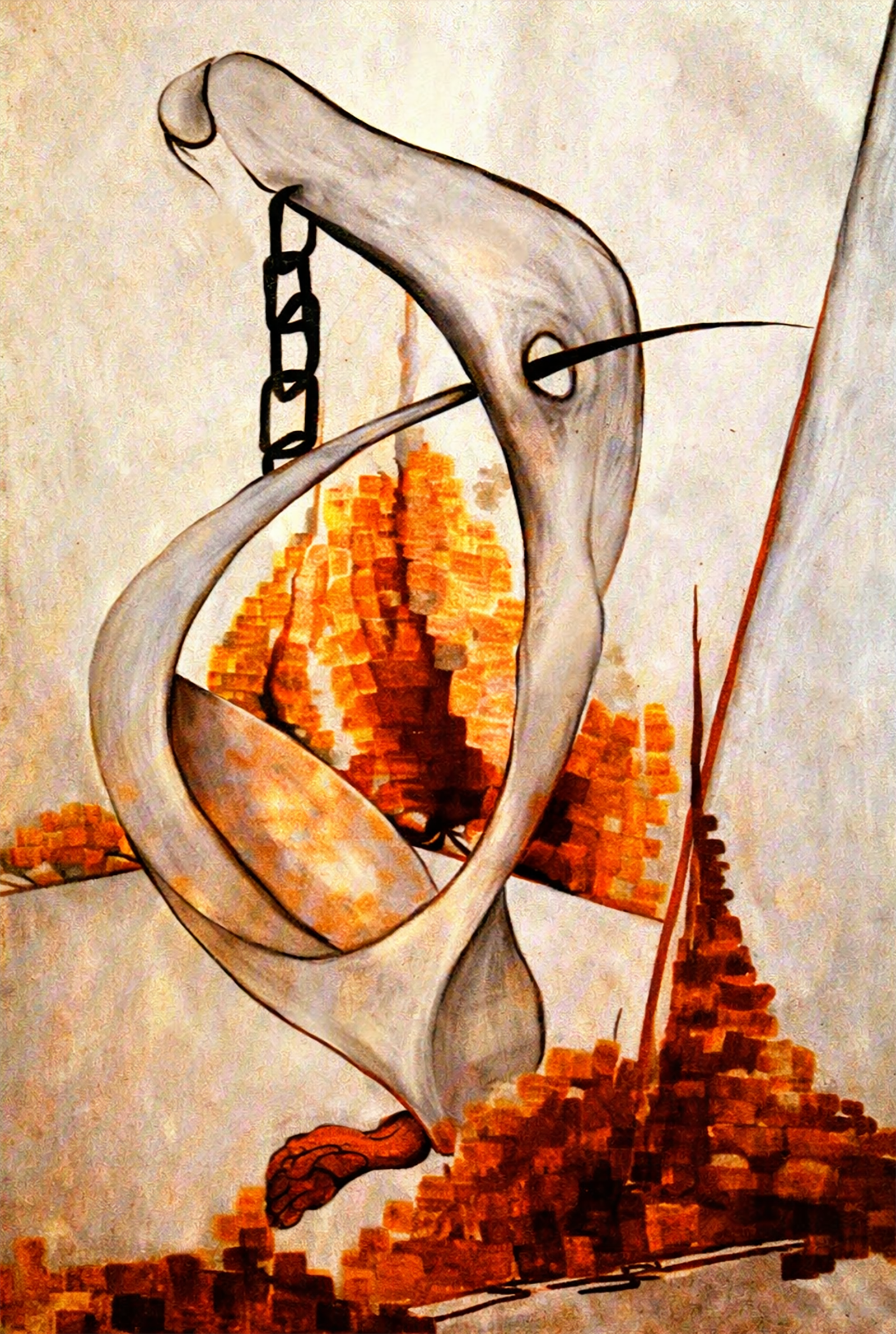
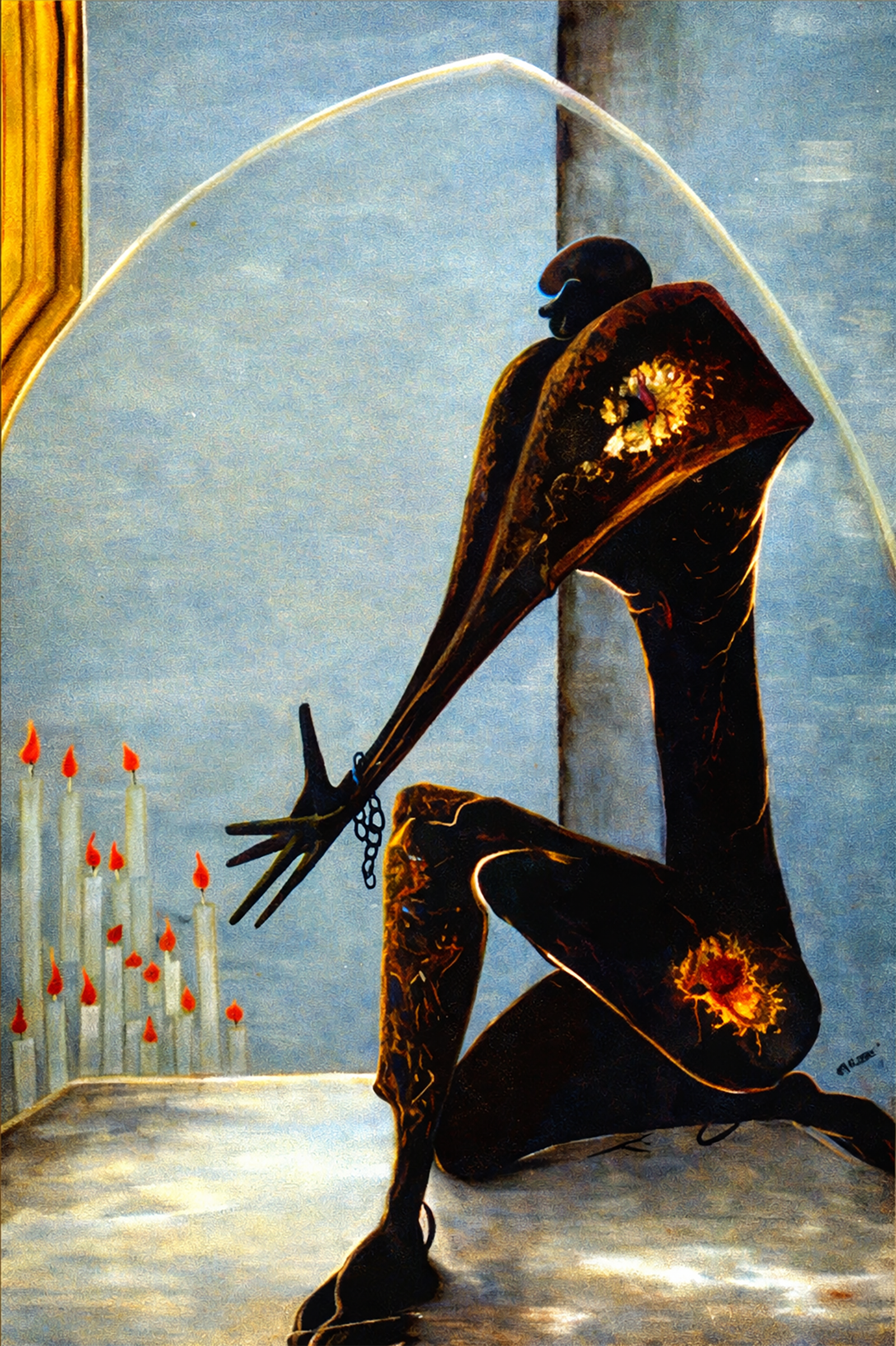
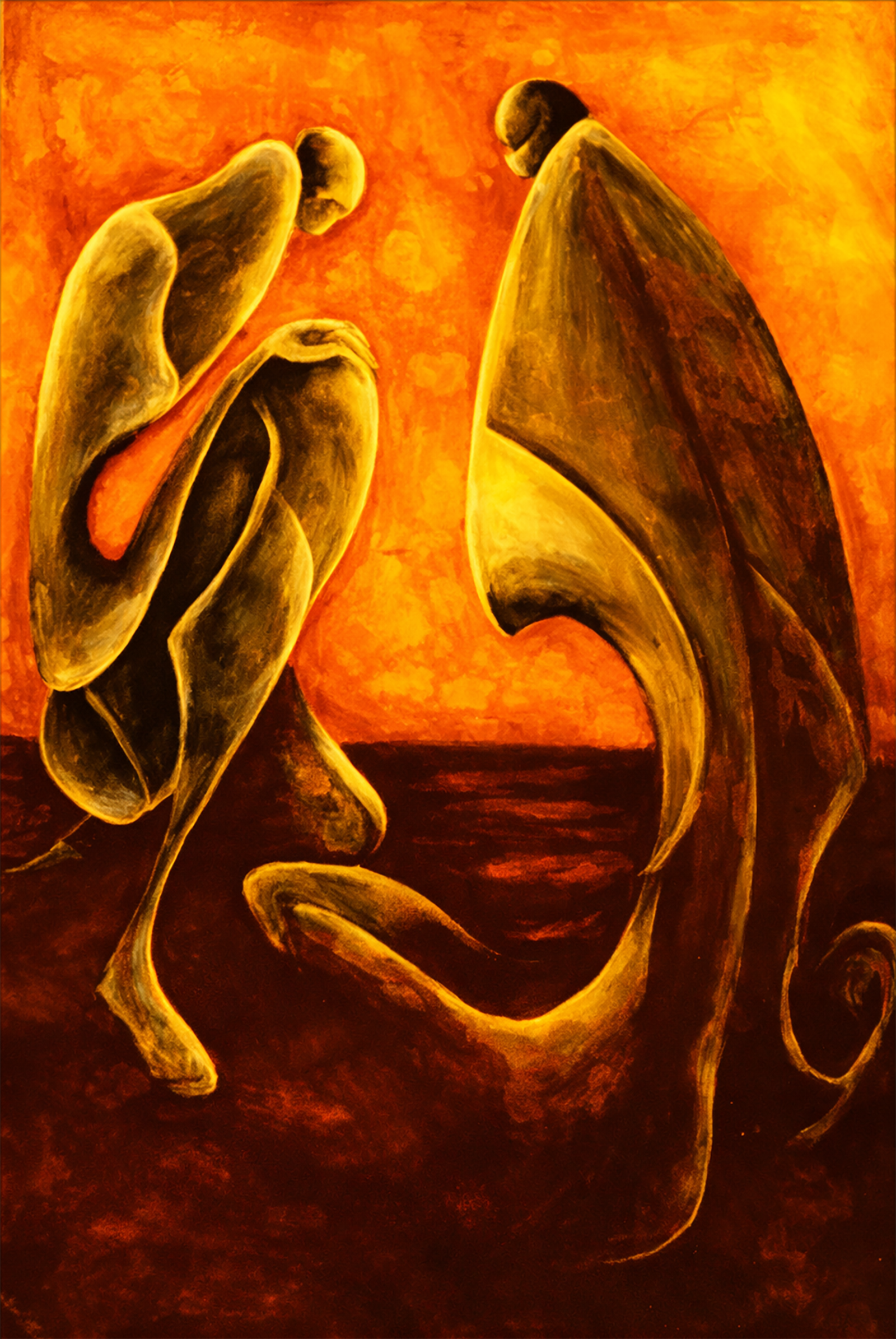
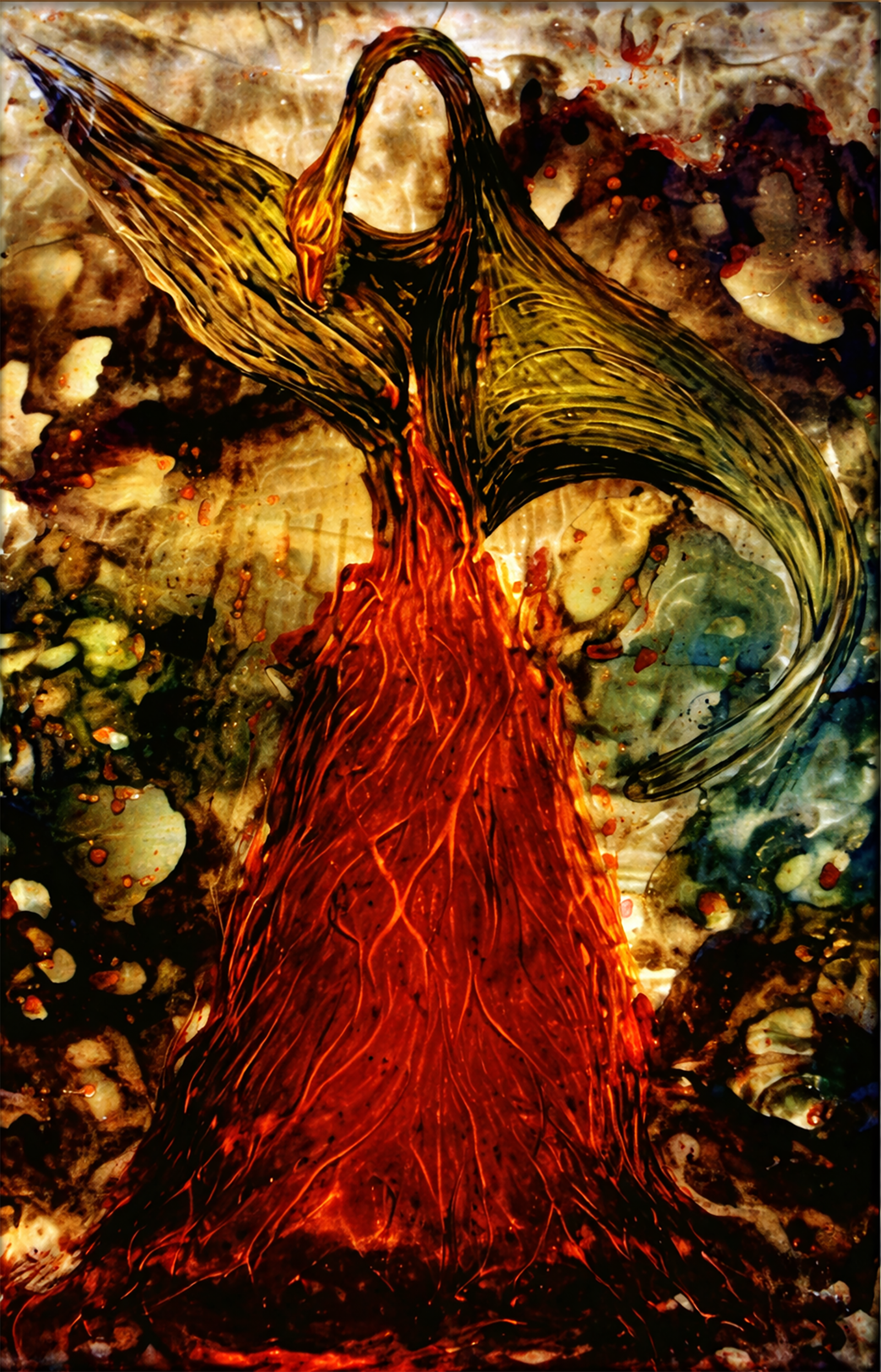
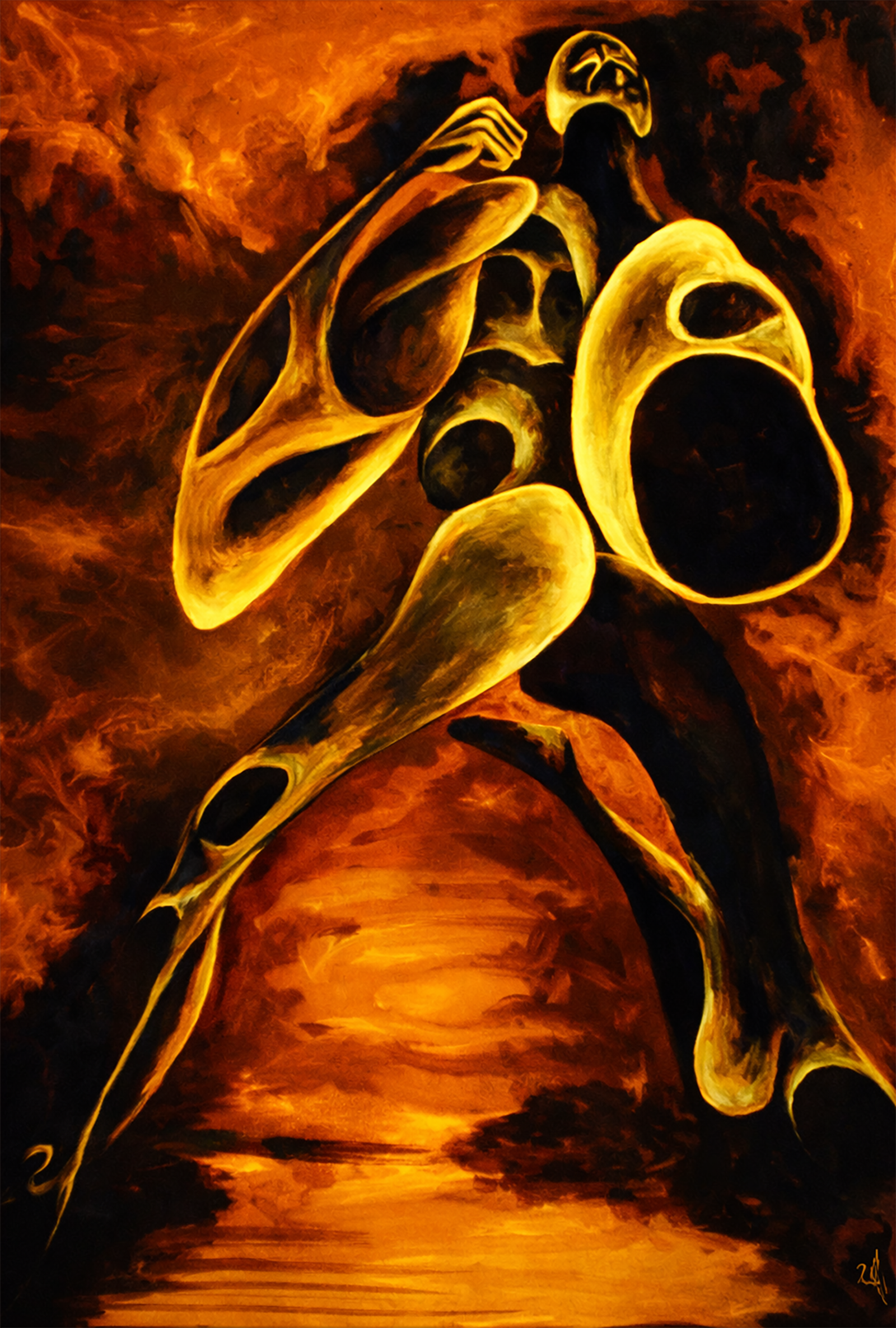
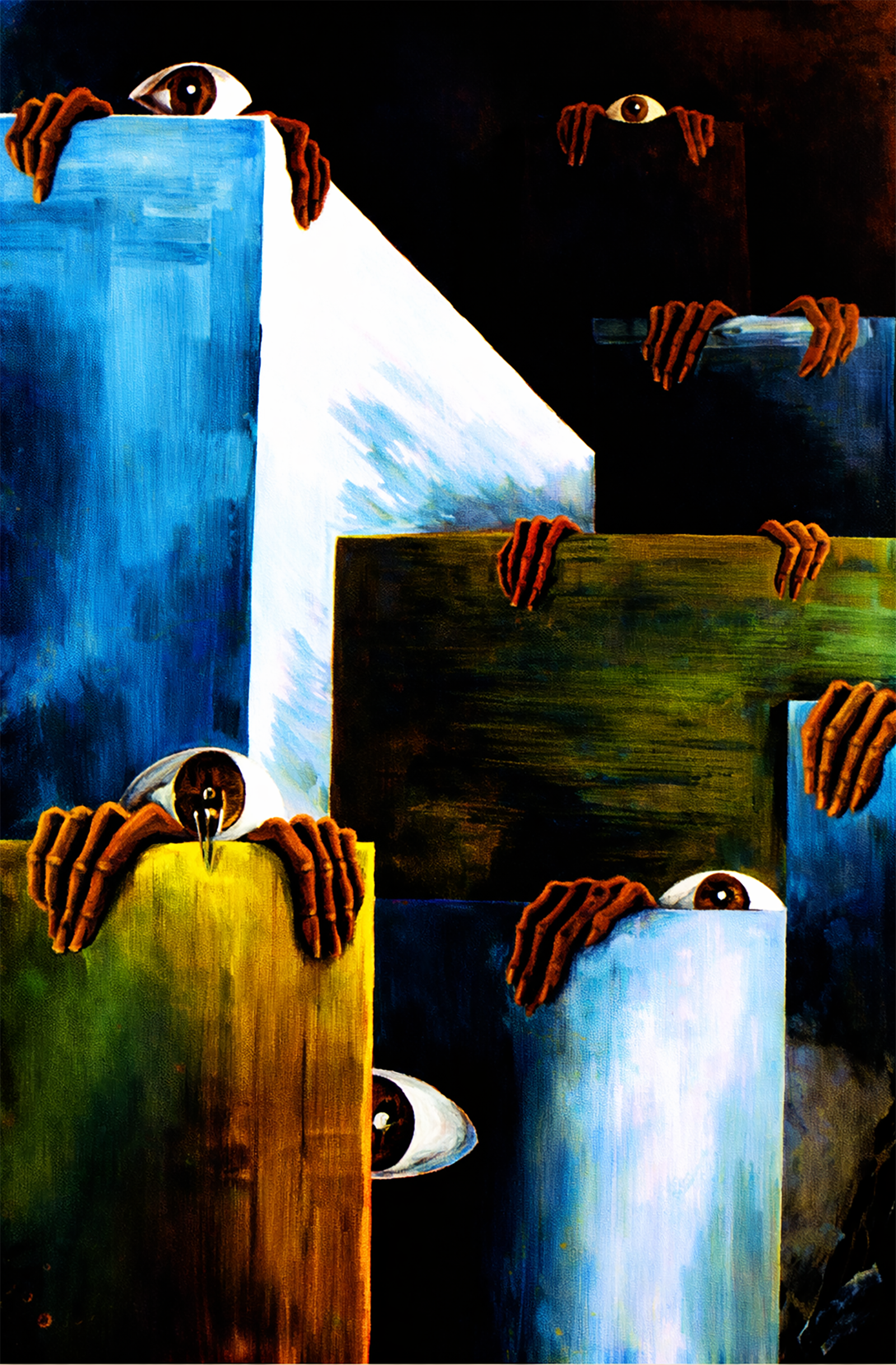
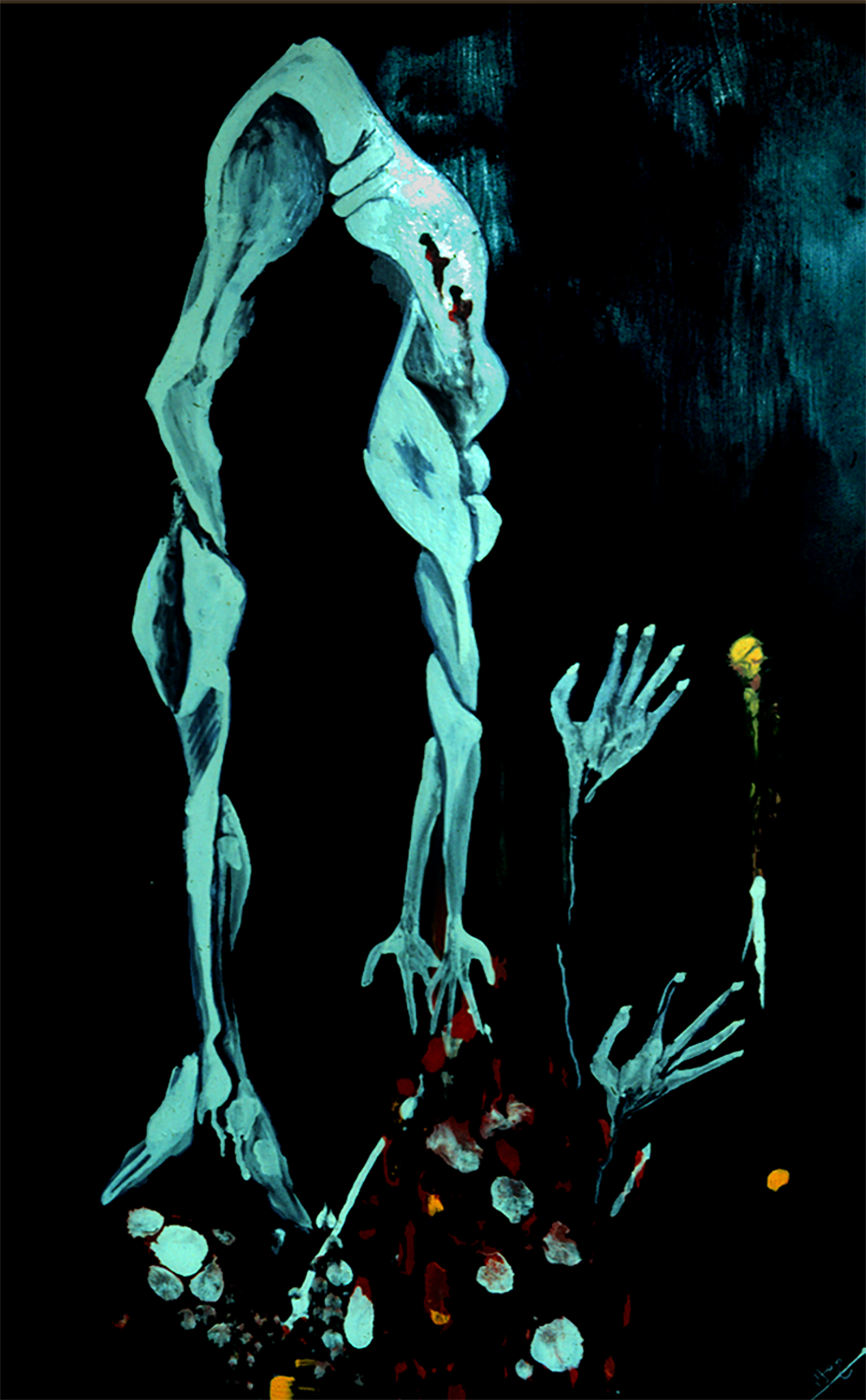
At eighteen in the early 1970s, limited materials led the artist to hand-mix dry pigments with linseed oil and paint on glossy cardboard. These experiments revealed oil paint’s drying rhythms, surface tension, and chromatic depth, forming the foundation for his mature sensitivity to surface, light, and material dialogue in painting.
-
In the early 1970s, at the age of 18, the artist lived in a small town with limited access to professional art materials. Constraint became a catalyst. In place of manufactured paints, he sourced dry pigments and hand-mixed them with linseed oil, occasionally adjusting viscosity with a solvent to achieve the desired fluidity. This direct, tactile process fostered an intimate relationship with color—each mixture yielding tonalities of distinctive texture, density, and saturation unattainable through commercial palettes.
At the same time, he turned to unconventional and economical supports, including standard and glossy-coated cardboard. The reduced absorbency of the glossy surface slowed the penetration of the oil medium, allowing the paint film to begin curing through oxidation before fully bonding with the substrate. What began as a practical solution evolved into a profound material investigation. Through this process, he developed a nuanced understanding of oil paint’s physical behavior—its drying rhythm, surface tension, chromatic depth, and interaction with varied grounds.
These early experiments were not merely technical improvisations; they became formative lessons in structure, patience, and transformation. The knowledge gained during this period would go on to shape his mature practice, informing his sensitivity to surface, light, and the enduring dialogue between medium and meaning.
Blah blah